-
 Absolutes
-
 Active Complexes
-
 Actives & Peptides
-
 Amino Acids & Proteins
-
 Food Flavors
-
 Ayurvedic Ingredients & Herbs
-
 Vitamins & Coenzymes
-
 Chocolate Making Supplies
-
 Thickeners & Gelling Agents
-
 Hydrosols & Floral Waters
-
 Hydrolyzed Proteins
-
 Fragrance Ingredients
-
 Nutraceutical Ingredients
-
 Acids, Salts, Alcohols & Alkalis
-
 Preservatives & Antioxidants
-
 Cosmetic Ingredients
-
 Colorants, Micas & Glitters
-
 Masks, Scrubs & Botanicals
-
 Oils & Butters
-
 Candle Making Supplies
-
 Melt and Pour Soap Bases
-
 Cream, Lotion & Hair Care Bases
-
 Fragrance Oils & Industrial Aromatics
-
 Cleansing Agents & Surfactants
-
 Peeling Actives & Acids
-
 Cosmetic Powders
-
 Solvents & Humectants
-
 Silicones & Conditioning Agents
-
 Bottles, Jars & Vials
-
 Silicone & Plastic Molds, Tools
-
 Botanical Extracts
-
 Cosmetic Emollients
-
 Emulsifiers
-
 Essential Oils
- Gel Food Coloring Wholesale 39
- Cosmetic Pigments Wholesale 17
- Lipstick Pigments Wholesale 40
- Chocolate Colorants Wholesale 10
- Liquid Migrating Dyes Wholesale 24
- Oil Soluble Liquid Dyes Wholesale 17
- Liquid Ultra Pigments Wholesale 11
- Food Coloring Powders Wholesale 20
- Phosphors and Luminescent Powders Wholesale 21
- Natural colorants Wholesale 39
- Liquid Pearl Pigmen Wholesale 13
- Pearlescent Pigments Wholesale 222
- Liquid Pigments Wholesale 37
- Wholesale synthetic dyes 9
- Blended colorants Wholesale 33
- Oil Soluble Dye Powders Wholesale 11
- Pigment Powders Wholesale 16
- Fluorescent Neon Pigments Wholesale 55


Lipstick Pigments Wholesale
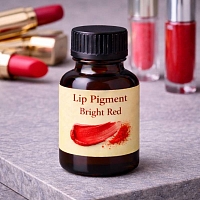
 Add to cart
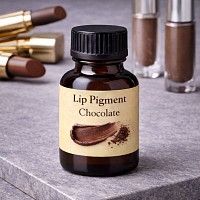
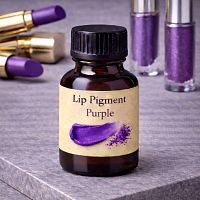

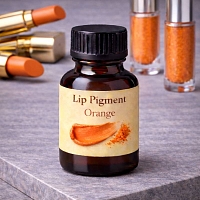
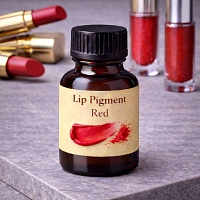
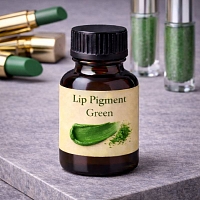

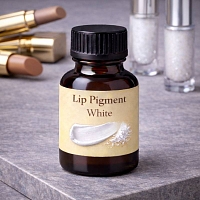


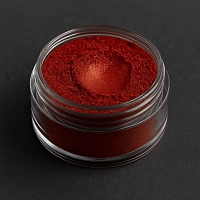
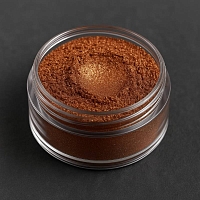
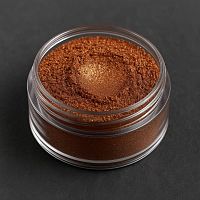
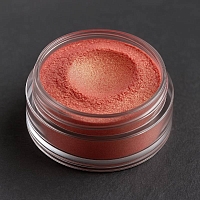
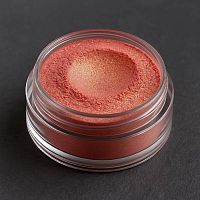


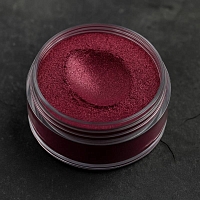
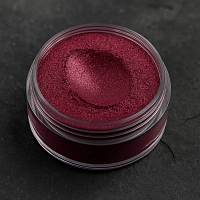
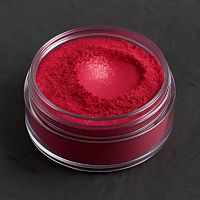
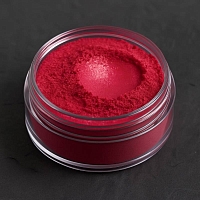
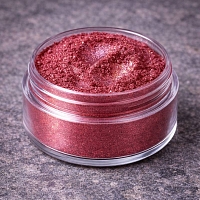
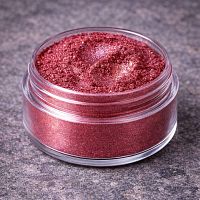
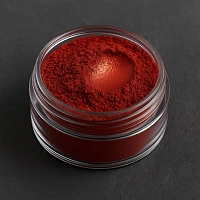
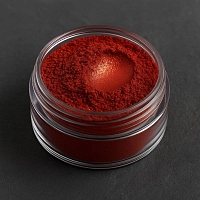
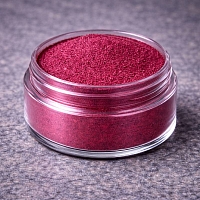
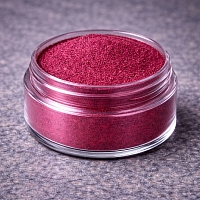


Colour concentrates for lip and face formulations
This section brings together pigment concentrates formulated for lipstick, lip tint, gloss and balm bases. The range covers a spectrum of shades, from soft nudes to saturated reds, engineered to disperse evenly in wax and oil systems without streaking or fading under heat.
Formulators use these pigments across a wide span of anhydrous and emulsion products, not only classic lipsticks. The same concentrates work well in cream blushes, multi stick formulas, tinted lip balms and even pigmented eye products, since the particle structure is built for stability in fatty bases rather than for one single product type.
For projects that call for a different colour mechanism, such as gradual tone shifts or sheer buildable washes, it is worth comparing these pigments with liquid migrating dyes or liquid pigments, which behave differently in fluid and semi fluid bases.
Shade Ranges and Formulation Differences
Within this category, concentrates differ mainly by chroma and undertone rather than by chemistry. Cool berry and cherry tones such as Raspberry Fantasy lipstick pigment powder 1 kg and Lipstick colorant Cherry bomb, 1 kg sit at the deeper end of the spectrum, giving strong coverage even at low dosage. Warmer options like Lipstick Color Strawberry Excellence, 1 kg and Lipstick colorant Hot sun, 1 kg lean toward coral and amber, useful where a formulation calls for warmth without turning orange.
Red-toned concentrates such as Colorant for lipstick Red Flower, 1 kg are formulated for maximum saturation and are typically used at lower percentages than pastel shades. On the opposite end, softer tones like Color for lipstick Lilac Boom, 1 kg and Dye for lipstick Voskhod, 1 kg are built for sheer, buildable coverage, which suits tinted balms and lighter multi stick formulas better than a dense matte base.
Choosing a Concentrate and Building a Formula
Selection usually starts with the target texture rather than the color itself. A dense wax based matte stick calls for a concentrate with high load capacity and minimal bleeding, while a glossy or balm formula needs a pigment that stays suspended without settling in a softer, more fluid base. Dispersion in oils and waxes should be checked at the intended use level before scaling a batch, since particle behavior can shift with different carrier ratios.
These concentrates are commonly combined with emollient esters, natural waxes and film formers that support even pigment distribution across the whole batch. Because the particles are engineered for fatty systems, they perform consistently across a wide range of anhydrous formulas, from classic sticks to cream blushes and pigmented balms, rather than being limited to a single finished product type.
Origin and Storage
Pigment concentrates in this range originate from suppliers in France and the United States, reflecting established manufacturing standards for cosmetic colorants. Store containers tightly sealed, away from direct light and heat, to preserve consistent dispersion and shade accuracy across production batches. For a broader view of raw pigment options beyond wax based concentrates, the Pigment Powders Wholesale section covers powder forms suited to a wider set of formulation bases.
FAQ
What is the difference between lip pigment concentrates and regular cosmetic pigments?
Lip pigment concentrates are milled and dispersed specifically for wax and oil bases, so they blend smoothly into balms, sticks and glosses without grit or streaking. General cosmetic pigments may not disperse as evenly in anhydrous lip systems and can affect texture or payoff.
Can these pigment concentrates be used in cream blush or stick formulas besides lipstick?
Yes. The particle structure is built for stability across fatty bases, so the same concentrates perform well in cream blush, multi stick formulas, tinted balms and pigmented eye products, not only in traditional lipstick formulations.
How should lip pigment concentrates be stored before use?
Keep containers tightly closed, away from direct light and heat, at stable room temperature. Proper storage prevents clumping and preserves the even dispersion needed for consistent color payoff once blended into a base.
How do I choose between a nude tone and a saturated red concentrate for a new formula?
Match the concentrate's chroma and undertone to your target finish and coverage. Softer nudes suit sheer daily wear formulas, while saturated berry or red shades are better for bold, high pigment load lipstick and lip tint bases.
Recommendations
When selecting a lip pigment concentrate, match the shade and chroma to your target finish first, then confirm how it disperses in your specific wax or oil base, since fatty systems vary in how evenly a concentrate blends. For larger production runs, request a small trial batch to check color consistency and heat stability before committing to a full order. Our team can help match concentrates to your formulation goals, reach out by email to discuss quantities and available shades.



