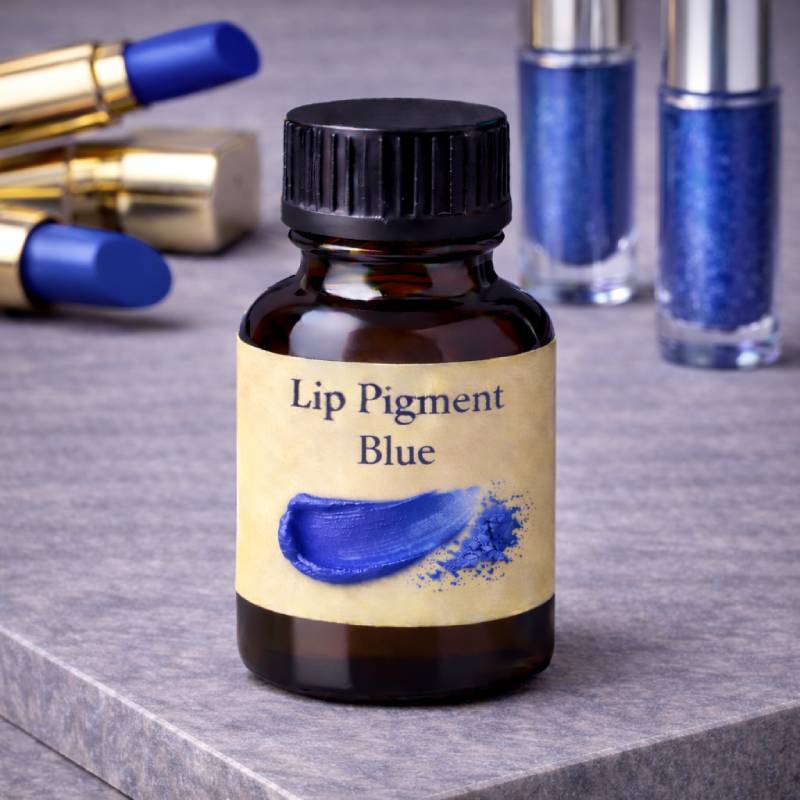
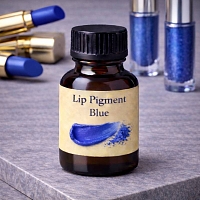
Blue Lipstick Pigment for Cool-Toned Cosmetic Shades
Blue Lipstick Pigment is a versatile color material for developing blue, violet, lavender, plum, berry and cool red shades in decorative cosmetics. It can be used in lipsticks, tinted balms, glosses, cream sticks, artist palettes and other color products permitted by the specification of the particular pigment. Browse additional shades and formats in the Lipstick Pigments Wholesale section.
Its value in formulation goes beyond creating a blue lipstick. Small amounts can adjust the undertone of red, pink or brown pigment blends, while higher levels support violet, indigo and deep plum color directions.
The final shade depends on pigment strength, dispersion quality, opacity, particle characteristics and the composition of the cosmetic base. Because the exact composition has not been provided, formulators should follow the technical and regulatory documentation supplied with the specific product.
Developing cool lip colors
Blue pigment is especially useful for creating cool-toned lipstick shades. A small amount added to red can shift the color toward raspberry or berry. Increasing the blue proportion creates violet and plum shades.
When combined with white pigment, blue can produce light blue, lilac and pastel lavender tones. Brown or black pigments may be added in carefully controlled amounts to develop deeper evening colors.
Shade testing should always be completed in the intended base. The same pigment blend may appear different in a sheer balm, glossy product or highly opaque lipstick.
Liquid lip products and glosses
Blue Lipstick Pigment can be considered for glosses and other liquid color products. Stable dispersion is especially important in these formats because poorly dispersed pigment may settle or form visible clusters.
Preparing a concentrated pigment paste before adding it to the main base helps improve uniformity. The finished formula should be evaluated for color distribution and storage stability.
Blue pigment can also be combined with pearl materials to create metallic, violet and multidimensional effects for creative cosmetic collections.
Cream sticks and professional makeup
The pigment is suitable for professional palettes, stage makeup, editorial projects and creative color cosmetics. It can support the development of bold blue sticks, cream colors and custom artist products.
Professional palettes often include blue as a primary mixing color. Makeup artists can combine it with red, white, yellow and brown shades to create customized tones for specific applications.
Blue is also relevant for futuristic, winter, evening and limited-edition cosmetic concepts.
How to disperse the pigment
For oil-based formulas, combine the pigment with a small portion of castor oil or another compatible liquid ingredient from the formula. Combine the blue pigment with Dye for lipstick Sour Lemon to create new tones. See more options in the Lipstick Colorants section.
Work the mixture until a smooth and uniform pigment paste is obtained. Proper dispersion improves shade consistency and reduces visible specks in the finished product.
Add the prepared pigment phase gradually to the main base while mixing. Evaluate the shade after each addition rather than adding the full pigment amount at once.
Accurate weighing is essential when developing commercial shades. Visual measurement does not provide reliable batch-to-batch repeatability.
Indigo Violet Lipstick Formula
Castor oil 315 g
Jojoba oil 140 g
Grape seed oil 85 g
Beeswax 145 g
Candelilla wax 65 g
Lanolin 90 g
Blue Lipstick Pigment 55 g
Red pigment 30 g
White pigment 15 g
Violet pearl pigment 20 g
Vitamin E 10 g
Cosmetic fragrance 30 g
Combine the blue, red and white pigments. Disperse the blend in part of the castor oil until a smooth color paste is formed.
In a separate heat-resistant vessel, combine the waxes, lanolin, remaining castor oil, jojoba oil and grape seed oil. Heat gradually until the solid ingredients are fully melted.
Add the pigment dispersion to the warm base and mix until the color is uniform. Incorporate the violet pearl pigment and continue mixing.
Allow the mass to cool partially, then add vitamin E and cosmetic fragrance. Pour the finished mixture into lipstick molds or suitable containers.
Evaluate color, application, coverage, stability and packaging compatibility before production scale-up.
Color ingredient for distinctive cosmetic ranges
Blue Lipstick Pigment allows cosmetic developers to create much more than a single blue product. It supports pure blue shades, cool berry colors, lavender balms, violet sticks and deep plum lipsticks.
The pigment is suitable for cosmetic laboratories, makeup brands, private label manufacturers, professional artists and independent formulators.
Blue Lipstick Pigment is an important tool for professional color development and the creation of distinctive decorative cosmetic collections.
Frequently asked questions
What dosage range works for the blue lipstick pigment in oil bases?
Start with a small test batch and adjust within 2-10% to reach the desired shade. Disperse the concentrated pigment first in castor oil or another compatible oil before adding to the lipstick formula. Always verify the final color after full mixing and cooling.
How long can the 1 kg pack of blue pigment be stored?
Keep the tightly closed container in a cool dark place; the batch remains usable until 12.2041. Avoid exposure to heat or humidity to maintain dispersion quality. Check the seal after each use to prevent contamination.
Is a COA available for this blue pigment batch?
The certificate of analysis is supplied upon request. Request it ahead of production runs to confirm batch specifications. This supports compliance checks for lipstick and lip product manufacturing.
Who benefits most from the 1 kg size of blue lipstick pigment?
The pack suits cosmetic labs and manufacturers producing lipstick, lip gloss and lip balm in commercial quantities. Smaller trial batches may use reduced sizes while this format supports ongoing production needs.