-
 Absolutes
-
 Active Complexes
-
 Actives & Peptides
-
 Amino Acids & Proteins
-
 Food Flavors
-
 Ayurvedic Ingredients & Herbs
-
 Vitamins & Coenzymes
-
 Chocolate Making Supplies
-
 Thickeners & Gelling Agents
-
 Hydrosols & Floral Waters
-
 Hydrolyzed Proteins
-
 Fragrance Ingredients
-
 Nutraceutical Ingredients
-
 Acids, Salts, Alcohols & Alkalis
-
 Preservatives & Antioxidants
-
 Cosmetic Ingredients
-
 Colorants, Micas & Glitters
-
 Masks, Scrubs & Botanicals
-
 Oils & Butters
-
 Candle Making Supplies
-
 Melt and Pour Soap Bases
-
 Cream, Lotion & Hair Care Bases
-
 Fragrance Oils & Industrial Aromatics
-
 Cleansing Agents & Surfactants
-
 Peeling Actives & Acids
-
 Cosmetic Powders
-
 Solvents & Humectants
-
 Silicones & Conditioning Agents
-
 Bottles, Jars & Vials
-
 Silicone & Plastic Molds, Tools
-
 Botanical Extracts
-
 Cosmetic Emollients
-
 Emulsifiers
-
 Essential Oils
- Antioxidants 122
- Biocides 12
- Hydrosols (Hydrolates) 11
- Hydrocolloids for Cosmetics 10
- Others 70
- Fragrant Waters for Cosmetics 26
- Mineral Cosmetic Ingredient 194
- Functional Components 5137
- Corneotherapy 17
- Liposomes for Cosmetics 21
- Minerals 76
- pH Neutralizers/Correctors 20
- Resins and Resinoids 17
- UV and SPF Filters for Cosmetics 95
- Fruit Powders 15
- Chemical Raw Materials 155
- Enzymes, Filtrates, and Lysates 26
- Cargill France SAS – Oils and Actives 10
- BASF Cognis Care Chemicals 12
- Vitamins & Coenzymes Wholesale 156
- Bulk Waxes for Cosmetics 61
- Others Wholesale 89
- Acids, Salts, Alcohols & Alkalis Wholesale 136
- Cosmetic Ingredients Wholesale 2549
- Food grade raw materials wholesale 13
- Fruit Powders in Bulk 23
- Antioxidants bulk 1
- Acids and Alkalis Wholesale 17
- Preservatives Bulk 5
- Bulk Surfactants 3
- Emulsifiers Bulk 14
- Hydrosols Bulk 210


Liposomes for Cosmetics

 Add to cart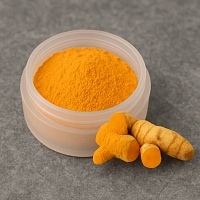





 Subscribe
Encapsulation carriers for targeted delivery in formulations
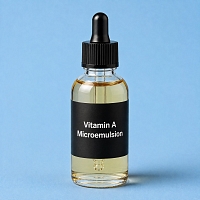
Liposomes are microscopic spherical vesicles built from phospholipid bilayers that enclose active ingredients inside a protective shell. This section offers liposomal carriers and related encapsulation ingredients used to formulate creams, serums, emulsions and hair care products. Each vesicle mimics the structure of a natural cell membrane, which lets it merge with skin cells and release its payload exactly where it is needed.
Formulators use these carriers to stabilize ingredients that would otherwise degrade quickly, such as vitamin C, retinol derivatives, peptides and certain plant extracts. Encapsulation protects the active from oxidation and light exposure during shelf storage, then supports gradual release once the product is applied to skin or hair. This makes liposomal delivery useful across a wide range of formats, from lightweight facial serums to richer night creams, leave-in hair treatments and even color cosmetics that need pigment stability.
Because liposomes work as carriers rather than a single-purpose additive, they pair naturally with other functional components used to build a stable emulsion or serum base. Many labs source them alongside broader batches from our cosmetic ingredients wholesale range when scaling up a formulation from a small test batch to full production.
Carrier types and how they differ
Not every encapsulation vehicle in this section is a classic liposome. Some products are true phospholipid vesicles, while others are phytosome-style complexes or broader delivery bases built to carry a specific active. Phytopresome FA-OR binds plant-derived molecules to a lipid layer for better skin affinity, while a general-purpose base such as Liposistem Complex Base is built to be loaded with whatever active a formulator needs stabilized.
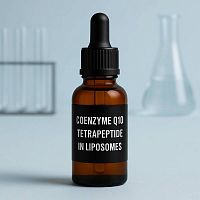
Other items are named after the exact molecule they deliver, which tells you the payload rather than the shell chemistry. Coenzyme Q10 tetrapeptide liposomes and the turmeric delivery system both wrap a specific compound, whereas Epicutin-TT targets brightening and tone-evening chemistry. Knowing whether you need a pre-loaded carrier or an empty base to fill yourself is the first split to make when scanning the range.
Choosing a carrier and building a formula around it
Selection starts with the active you want to protect, not the carrier itself. Vitamin derivatives, peptides and botanical extracts each have different sensitivity to pH, heat and oxygen, so the shell has to match the payload's stability profile and the finished product's processing temperature. A cold-processed serum tolerates a more delicate vesicle than an emulsion that goes through a heated phase.
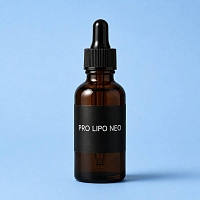
Compatibility with the rest of the base matters just as much. Carriers like Pro-Lipo Neo and Capt-System PS are designed to integrate into standard emulsion systems without breaking the structure, so they sit well alongside emulsifiers and film formers already in a formula. Many labs pull structural material from our bulk waxes for cosmetics range when a richer, more occlusive base is needed to complement a lightweight encapsulated active, balancing sensory feel with delivery performance.
Origin, packaging and storage
Carriers in this category are sourced from established cosmetic ingredient manufacturers in Italy, Poland, France, Germany and Japan, reflecting the technical precision this kind of encapsulation chemistry demands. Pack sizes are typically small, five to ten grams, since these are concentrated actives dosed at low percentages rather than bulk fillers.
Because phospholipid structures are sensitive to heat, light and prolonged air exposure, cool and dark storage extends shelf life significantly compared to leaving containers near a window or a heat source. Opened containers should be resealed promptly and used within the timeframe noted on the packaging to keep the vesicle structure intact before it reaches a finished formulation.
FAQ
What is the difference between liposomes and standard emulsifiers
Emulsifiers bind oil and water phases together throughout a formulation, while liposomes are individual vesicles that trap a specific active inside a phospholipid shell. Liposomes protect and deliver a payload, whereas emulsifiers stabilize the overall texture of a cream or serum.
Which actives are commonly encapsulated in liposomal carriers
Vitamin C, retinol derivatives, peptides, niacinamide and select plant extracts are frequently encapsulated because they oxidize or break down quickly when left unprotected. Encapsulation extends their stability in the finished product and supports a more gradual release after application.
How should liposomal ingredients be stored before use
Keep containers sealed, away from direct light and heat, ideally in a cool dry area, since phospholipid bilayers can degrade with repeated temperature swings. Once opened, use within the timeframe recommended for the specific batch to preserve vesicle integrity.
Can liposomal carriers be combined with other functional ingredients in one formulation
Yes, liposomes are designed to sit alongside emulsifiers, thickeners and other actives without disrupting the base structure of a cream or serum. Compatibility still depends on pH and processing temperature, so small-batch testing before scaling up is recommended.
Recommendations
Choosing the right liposomal carrier depends on the active you plan to encapsulate and the final texture of your formulation, so match vesicle size and phospholipid composition to your target product, whether a lightweight serum or a denser cream. Check compatibility with your existing emulsifiers and processing temperature before committing to a large batch. For guidance on selecting a specific item or ordering a trial quantity, reach out by email and our team will help you match the right carrier to your formulation.