-
 Absolutes
-
 Active Complexes
-
 Actives & Peptides
-
 Amino Acids & Proteins
-
 Food Flavors
-
 Ayurvedic Ingredients & Herbs
-
 Vitamins & Coenzymes
-
 Chocolate Making Supplies
-
 Thickeners & Gelling Agents
-
 Hydrosols & Floral Waters
-
 Hydrolyzed Proteins
-
 Fragrance Ingredients
-
 Nutraceutical Ingredients
-
 Acids, Salts, Alcohols & Alkalis
-
 Preservatives & Antioxidants
-
 Cosmetic Ingredients
-
 Colorants, Micas & Glitters
-
 Masks, Scrubs & Botanicals
-
 Oils & Butters
-
 Candle Making Supplies
-
 Melt and Pour Soap Bases
-
 Cream, Lotion & Hair Care Bases
-
 Fragrance Oils & Industrial Aromatics
-
 Cleansing Agents & Surfactants
-
 Peeling Actives & Acids
-
 Cosmetic Powders
-
 Solvents & Humectants
-
 Silicones & Conditioning Agents
-
 Bottles, Jars & Vials
-
 Silicone & Plastic Molds, Tools
-
 Botanical Extracts
-
 Cosmetic Emollients
-
 Emulsifiers
-
 Essential Oils
- Ingredients for Bath Bomb and Fizzer 218
- Soap Bouquet Crafting Materials 490
- Slime Supplies: Ingredients and Additives 560
- Shampoo ingredients 409
- DIY Perfume Supplies 986
- Deodorant Components 90
- Cold process soap ingredients 96
- Components for lipstick, balm, lip gloss 374
- Sun protection components 259
- Components for washing powder 62
- Bath products 88
- Ingredients for cleaning products 71
- Ingredients for Alginate Masks 36
- Shampoo Ingredients Wholesale 530
- DIY Perfume Supplies Wholesale 1050
- Chocolate Ingredients Wholesale 71
- Components for washing powder Wholesale 64
Ingredients for Alginate Masks

 Add to cart


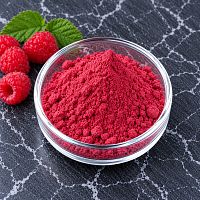
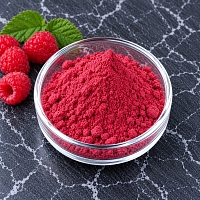

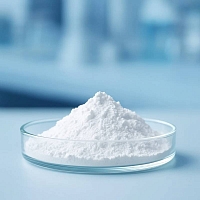

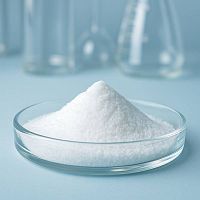
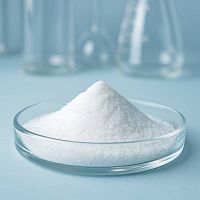


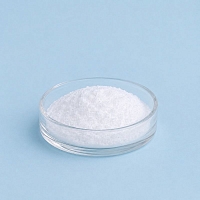


Materials included in the alginate mask ingredients category
This section gathers powders and gelling agents used to build peel-off mask bases: sodium alginate, calcium alginate, kaolin, bentonite, thickeners and setting accelerators. These raw materials form the core structure that can later be adjusted with other actives to control texture and setting behavior. Alginates come from brown seaweed and create a flexible film when reacting with calcium ions or warm water. Clays provide structure and modify density plus absorption of the final mass.
Differences among alginates, clays and setting agents
Sodium alginate produces a soft elastic film and works well with heat-sensitive additions. Calcium alginate sets denser and faster, suiting formulas that need sharper contours. Kaolin and bentonite vary in mineral content and color, affecting both feel and appearance of the finished film. Functional Components offer further options for texture modifiers. Sodium pyrophosphate acts as a buffering agent that stabilizes the gel network.
Particle size and viscosity effects
Finer particle size speeds dissolution and improves uniformity after mixing with water. Different viscosity grades let formulators change the final film density and handling properties.
Selecting components for a specific formula
Choice depends on desired working time, film firmness and compatibility with oils or extracts. Slower setting leaves room to incorporate color or fragrance, while faster setting fits high-volume production. Allantoin 20 g is often paired with the base to enhance barrier qualities of the film. Glycerin and plant powders adjust skin feel. HyActive hyaluronic acid 10-20 kDa, 1 g adds hydration support in compatible blends.
Role in cosmetic formulations
The materials serve face and body masks as well as decorative compositions. The same texture control principles appear in Slime Supplies: Ingredients and Additives, where thickeners serve another purpose. Bases are rarely used alone and are usually combined with plant powders or oils.
Storage and quality preservation
Alginate powders are sensitive to humidity and may lose gelling strength after prolonged exposure to moist air. Store in tightly closed containers in a dry place without temperature swings. This maintains batch-to-batch consistency during repeated use.
FAQ
Which alginate creates a more elastic film?
Sodium alginate forms a soft elastic structure that pairs better with heat-sensitive additions.
Are setting agents required in every recipe?
Not always, yet they help control speed and uniformity of film formation, especially across different water volumes.
Can clays be combined with alginates?
Yes, the combination adjusts density and absorption while color and viscosity compatibility should be checked.
How does particle size affect handling?
Finer particles dissolve faster and reduce lumps, while coarser particles slow the process and may yield a thicker paste.



