-
 Absolutes
-
 Active Complexes
-
 Actives & Peptides
-
 Amino Acids & Proteins
-
 Food Flavors
-
 Ayurvedic Ingredients & Herbs
-
 Vitamins & Coenzymes
-
 Chocolate Making Supplies
-
 Thickeners & Gelling Agents
-
 Hydrosols & Floral Waters
-
 Hydrolyzed Proteins
-
 Fragrance Ingredients
-
 Nutraceutical Ingredients
-
 Acids, Salts, Alcohols & Alkalis
-
 Preservatives & Antioxidants
-
 Cosmetic Ingredients
-
 Colorants, Micas & Glitters
-
 Masks, Scrubs & Botanicals
-
 Oils & Butters
-
 Candle Making Supplies
-
 Melt and Pour Soap Bases
-
 Cream, Lotion & Hair Care Bases
-
 Fragrance Oils & Industrial Aromatics
-
 Cleansing Agents & Surfactants
-
 Peeling Actives & Acids
-
 Cosmetic Powders
-
 Solvents & Humectants
-
 Silicones & Conditioning Agents
-
 Bottles, Jars & Vials
-
 Silicone & Plastic Molds, Tools
-
 Botanical Extracts
-
 Cosmetic Emollients
-
 Emulsifiers
-
 Essential Oils
- Antioxidants 122
- Biocides 12
- Hydrosols (Hydrolates) 11
- Hydrocolloids for Cosmetics 10
- Others 70
- Fragrant Waters for Cosmetics 26
- Mineral Cosmetic Ingredient 194
- Functional Components 5134
- Corneotherapy 17
- Liposomes for Cosmetics 21
- Minerals 76
- pH Neutralizers/Correctors 20
- Resins and Resinoids 17
- UV and SPF Filters for Cosmetics 95
- Fruit Powders 15
- Chemical Raw Materials 155
- Enzymes, Filtrates, and Lysates 26
- Cargill France SAS – Oils and Actives 10
- BASF Cognis Care Chemicals 12
- Vitamins & Coenzymes Wholesale 156
- Bulk Waxes for Cosmetics 61
- Others Wholesale 89
- Acids, Salts, Alcohols & Alkalis Wholesale 136
- Cosmetic Ingredients Wholesale 2549
- Food grade raw materials wholesale 13
- Fruit Powders in Bulk 23
- Antioxidants bulk 1
- Acids and Alkalis Wholesale 17
- Preservatives Bulk 5
- Bulk Surfactants 3
- Emulsifiers Bulk 14
- Hydrosols Bulk 210


Chemical Raw Materials

 Add to cart


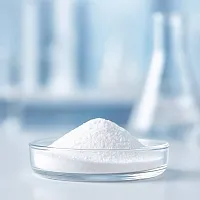


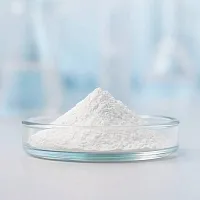


Base chemistry behind stable cosmetic formulas
This section brings together chemical raw materials used to build the structural and functional backbone of cosmetic formulas, including pH adjusters, chelating agents, thickeners, solvents, and other reactive compounds. These materials do not act as the final product themselves but shape how a formula behaves during mixing, storage, and application on skin or hair. Buyers here typically need consistent, well documented chemistry rather than finished cosmetic effects.
Formulators reach for these compounds when adjusting the acidity of a serum, stabilizing an emulsion against separation, binding trace metals that could destabilize actives, or controlling viscosity in a lotion or gel. The same raw material can appear across completely different product categories, from facial creams and shampoos to styling products and industrial batches, since its role is defined by chemical function rather than a single end use. For a wider look at how these compounds interact with active ingredients, the Functional Components section covers complementary building blocks used in the same formulas.
Because chemical behavior depends on precise concentration and interaction with other ingredients, sourcing consistency matters more here than in most other categories. Buyers comparing broader sourcing options across cosmetic raw materials can also review the full Cosmetic Ingredients Wholesale range for related supply needs.
Categories of chemical raw materials in this range
Acids and alkalis form one large group here, covering pH adjustment and stabilization tasks. Boric acid, tartaric acid in both synthetic and food grade forms, and potassium hydroxide each bring a different acid or base strength, so a formulator picks based on how much and how gradually the pH needs to shift in a given batch.
Inorganic salts make up a second group, including barium chloride, barium carbonate, barium sulfate, ammonium chloride, and potassium ferrocyanide. These compounds differ mainly in solubility and reactivity, which determines whether they are used for precipitation reactions, as fillers, or as processing aids in industrial formulations rather than in leave-on skincare.
Choosing the right compound and building a compatible formula
Selection usually starts with the function needed in the batch: adjusting acidity, binding trace metals, controlling viscosity, or supporting a specific reaction step. Glycerin, for example, is valued across an unusually wide range of formulas, from lotions and creams to hair care and industrial mixes, because its humectant behavior fits almost any water-based system rather than one narrow product type.
Compatibility with other raw materials matters as much as the compound itself. Thickeners and solvents from the Bulk Waxes for Cosmetics range are often combined with pH adjusters and salts from this section to keep an emulsion stable through its full shelf life, since a wax structure can shift if the surrounding pH or ionic balance is off.
Buyers frequently pair these chemical raw materials with natural waxy components, such as Lanolin Flakes 25 kg, when a formula needs both emollient texture and controlled acidity in the same batch. Salts like Ammonium chloride, 25kg are used where a specific ionic strength or thickening response is required, while Barium carbonate, 25 kg and Barium sulfate (sulfate), 25 kg serve as processing aids where their low solubility profile is the main reason for use. Barium chloride, 25kg and Potassium ferrocyanide, 25 kg round out this reactive salt group for buyers working on more specialized industrial or analytical batches.
Origin, packaging, and storage
Materials in this section arrive from a mix of established chemical producers across Italy, China, Turkey, Germany, Korea, the Netherlands, France, and Finland, giving buyers a choice between different supply origins depending on volume and documentation needs. Acids such as Boric acid 1000 kg are offered in large industrial packaging, while Synthetic Tartaric Acid 25 kg and Food Grade Tartaric Acid 25 kg come in more workshop-friendly 25 kg formats.
Because many of these compounds are hygroscopic or sensitive to temperature swings, dry and sealed storage away from direct heat sources is standard practice, and rotating older stock first helps keep acid strength and salt purity consistent. Larger volume items such as Glycerin 250 kg and Potassium hydroxide (caustic potassium), 25 kg are typically planned around production schedules given their bulk format and the handling care alkalis require.
FAQ
What is the difference between a pH adjuster and a buffering agent in cosmetic formulas
A pH adjuster shifts acidity or alkalinity to a target value, while a buffering agent keeps that value stable against small shifts caused by other ingredients or storage conditions. Formulators often combine both to reach a target pH and hold it through the shelf life of a serum, cream, or shampoo.
Why do emulsions separate without a chelating agent
Trace metal ions from water or other raw materials can react with emulsifiers and actives, weakening the structure that keeps oil and water phases combined. A chelating agent binds these metals so they cannot interfere, helping the emulsion stay uniform and reducing discoloration or rancidity over time.
How do thickeners affect the texture of a lotion or gel
Thickeners increase viscosity by forming a network within the water or oil phase, which controls how a product flows, spreads, and feels on skin. The right thickener depends on the base formula, since some work only within specific pH ranges or alongside particular emulsifiers.
Can the same solvent be used across different cosmetic product types
Yes, many solvents used to dissolve actives or adjust consistency are not tied to one product category. The same solvent can appear in a facial serum, a styling product, or an industrial batch, since its function depends on solubility and compatibility rather than the finished product itself.
How should reactive cosmetic chemicals be stored before use
Most pH adjusters, chelating agents, and similar compounds need a cool, dry, tightly sealed environment away from direct light to preserve their reactivity and shelf stability. Exposure to moisture or heat can alter concentration and performance, so containers should be resealed promptly after each use.
How much of these raw materials is typically needed in a formula
Usage levels vary widely by function and target result, from fractions of a percent for pH adjusters to several percent for thickeners or viscosity modifiers. Testing small batches first helps confirm the right concentration before scaling up a formula for larger production runs.
Recommendations
Choosing the right compound from this section starts with defining its exact role in your formula, whether that is adjusting pH, binding trace metals, controlling viscosity, or dissolving other ingredients. Check compatibility with the emulsifiers, actives, and preservatives already in your recipe, since reactive chemistry can behave differently across pH ranges and concentrations. For new formulas, testing a small batch before committing to a larger volume helps confirm performance and stability. If you are unsure which grade or concentration fits your production scale, our team can help you narrow down options by email before you place an order.