What makes this small-batch acid a staple for skin clarity formulas
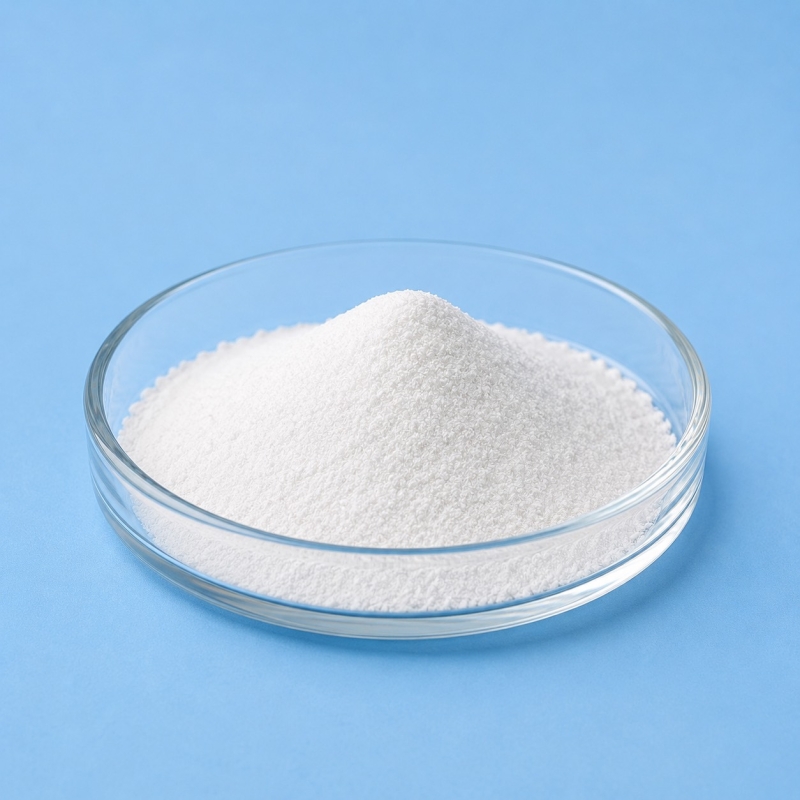
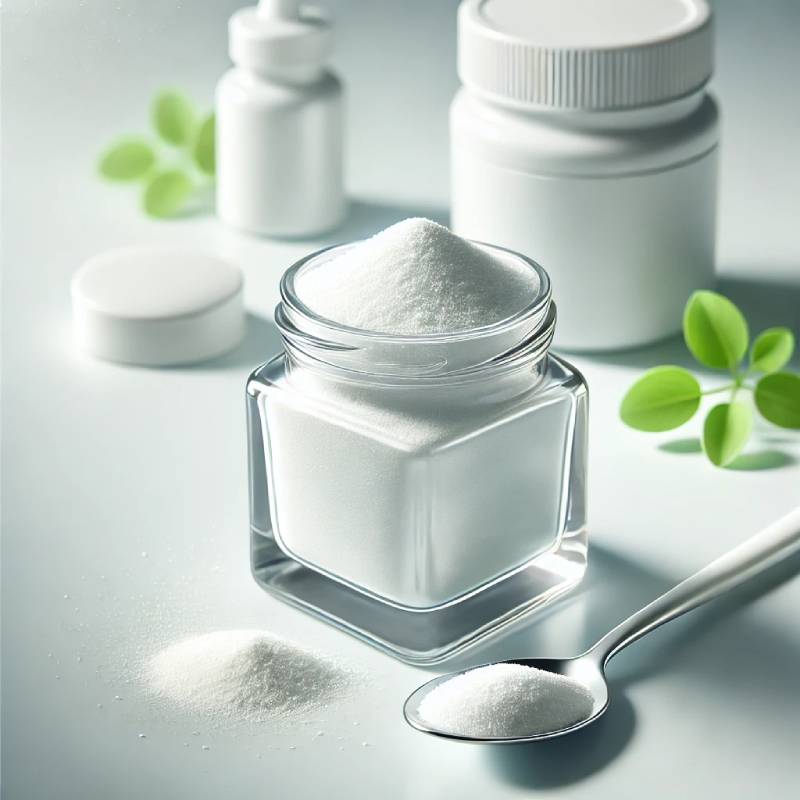
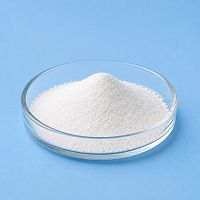
Salicylic acid is one of the most recognized beta hydroxy acids used in skincare, dermatological formulations, and pharmaceutical manufacturing. It historically serves as the raw material for producing acetylsalicylic acid, though in its pure form it is far more commonly found in blemish-control products, sebum-regulating formulas, chemical exfoliants, and anti-dandruff shampoos. The 25 g package suits home cosmetic making and small trial batches, allowing formulators to test a recipe before scaling production. This ingredient belongs to the broader category of Acids, Salts, Alcohols, and Alkalis, which brings together active substances used for pH adjustment, preservation, and functional processing across multiple industries.
The leading application of salicylic acid is caring for oily and blemish-prone skin. Thanks to its lipophilic nature, it penetrates pores and dissolves excess sebum, which is why it appears in toners, serums, spot treatments, and scalp shampoos designed to control oiliness and flaking. In industrial chemistry, the compound is used as a preservative and stabilizer in certain technical formulations, and also as a feedstock for derivatives applied in textile and rubber manufacturing. The food industry uses its derivatives only in strictly regulated amounts, so anyone considering food-grade use should verify local regulatory limits first.
Handling salicylic acid requires care: recommended concentrations in cosmetic formulas typically stay within one to two percent, since the compound has a pronounced keratolytic action and can cause irritation or dryness if overdosed. It is introduced during the active formulation stage, dissolved in ethanol, propylene glycol, or a warmed water phase at around 40-50 degrees Celsius, since cold-water solubility is limited. Once fully dissolved, the mixture is cooled to room temperature before heat-sensitive ingredients are added.
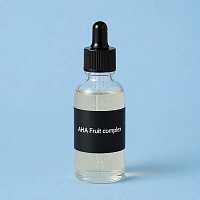
Salicylic acid pairs well with other AHA and BHA acids and with soothing, hydrating components that offset its drying tendency. In multi-acid formulas, it is often combined with malic acid, which offers gentle exfoliation and tone-evening benefits, while nicotinic acid is frequently added to scalp and hair formulas to support microcirculation. For hydrating and restorative serums, formulators sometimes rely on glutamic acid, which functions as part of the skin's natural moisturizing factor.
Salicylic acid should be stored in a dry, light-protected area, tightly sealed, at room temperature, away from moisture, since the substance is hygroscopic and prone to caking. Under proper storage conditions, its activity remains stable for a long period.
Clarifying spot gel for blemish-prone areas
Salicylic acid 1 g
Ethanol 10 ml
Propylene glycol 5 ml
Niacinamide 2 g
Aloe vera gel 15 ml
Distilled water up to 100 ml
Dissolve
the salicylic acid completely in ethanol, then blend in the propylene glycol
and niacinamide until smooth. Warm the aloe gel slightly and combine it with
the water, then mix both phases together thoroughly, cool to room temperature,
and transfer into a clean pump bottle. Apply the gel directly to affected areas
using a cotton swab or clean fingertip.