A gentle organic acid trusted by both food technologists and cosmetic formulators
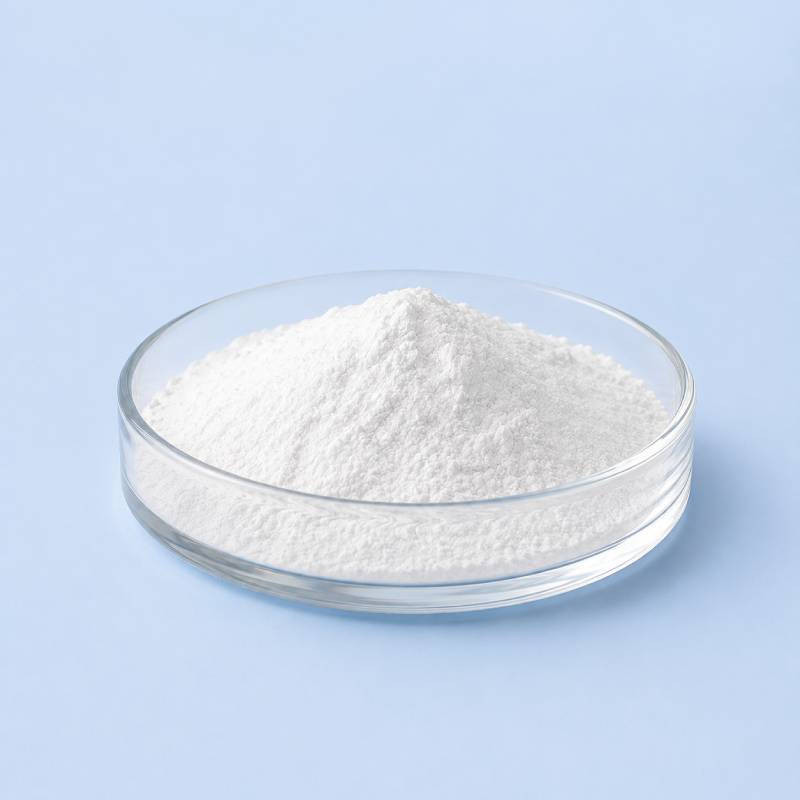
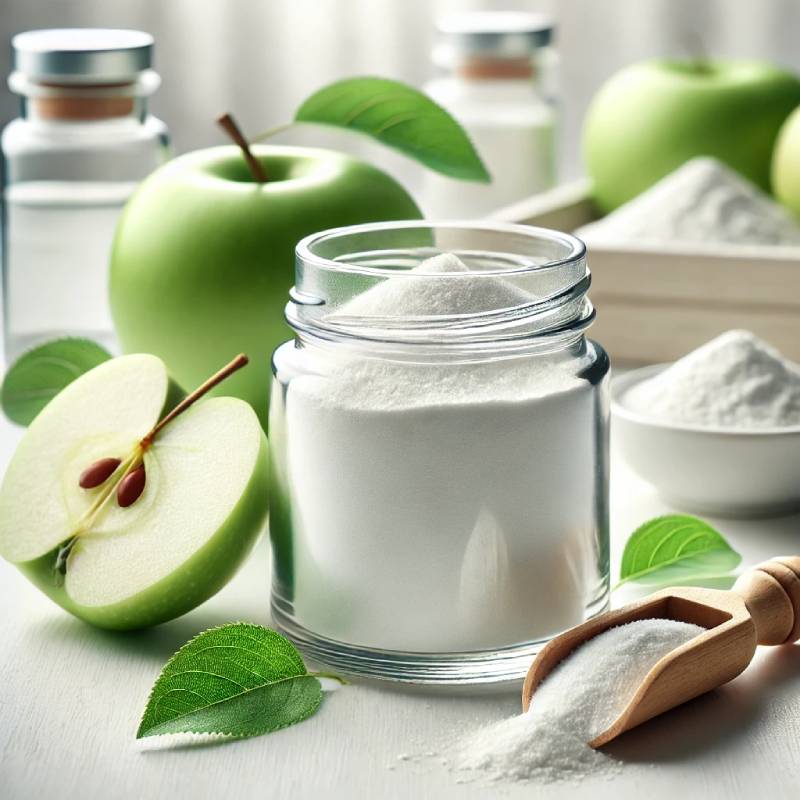
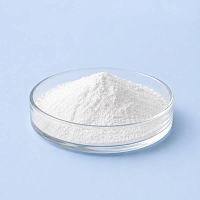
Malic acid is a naturally occurring organic acid originally identified in apple juice, though its use today extends far beyond fruit. It ranks among the most widely used acidity regulators in the food industry, offers a mild exfoliating action in skincare as an alpha hydroxy acid, and even plays a role in household cleaning formulations targeting mineral scale. As part of the Acids, Salts, Alcohols, and Alkalis category, it pairs readily with other acidic and alkaline raw materials, giving formulators precise control over the final pH of a product.
In food manufacturing, malic acid is added to soft drinks, jellies, candies, wines, and preserved goods, where it softens harsh sourness compared to citric acid, stabilizes color, and extends shelf life. Typical dosage in beverages ranges from 0.1 to 0.5 gram per 100 ml, while confectionery formulations may use up to 1-2% of total batch weight. It should be added toward the final stage of preparation once the mixture cools below 60 degrees Celsius to avoid thermal breakdown of the active compound during prolonged heating.
In skincare and color cosmetics, malic acid functions as a mild alpha hydroxy acid that supports surface renewal and smoother-looking skin texture. It is commonly used in toners, peels, and serums at concentrations between 1 and 5%, introduced into the water phase at temperatures no higher than 40 degrees Celsius once the main emulsifiers are already incorporated. For a softer, more hydrating exfoliation profile, formulators often combine it with lactobionic acid, which brings additional moisture-binding properties suitable for sensitive skin formulas.
In household chemistry, malic acid appears in descaling agents, cleaning powders, and dishwasher or washing machine solutions, where it dissolves mineral deposits without the sharp odor typical of stronger mineral acids. It is frequently paired with borax, which softens water and boosts cleaning power, and with boric acid, used as an additional preservative component in aqueous cleaning mixtures.
The 25 g package size suits home-based cosmetic formulation, recipe testing, and small trial batches where precise dosage adjustments are needed before scaling up to larger production. Store the acid in a dry, tightly sealed container away from direct sunlight and moisture, since it is hygroscopic and may clump if exposed to humid air.
Home facial polishing scrub with malic acid
Distilled water 60 ml
Malic acid 1 g
Fine sugar 20 g
Sweet almond oil 10 ml
Honey 5 g
Dissolve the malic acid completely in warm water, then stir in the honey until smooth. Add the sugar and almond oil last, mixing gently to keep the granules intact, and use the finished scrub on damp skin with light circular motions before rinsing thoroughly with warm water.