Practical Uses of Sodium Tetraborate Beyond the Kitchen Cabinet
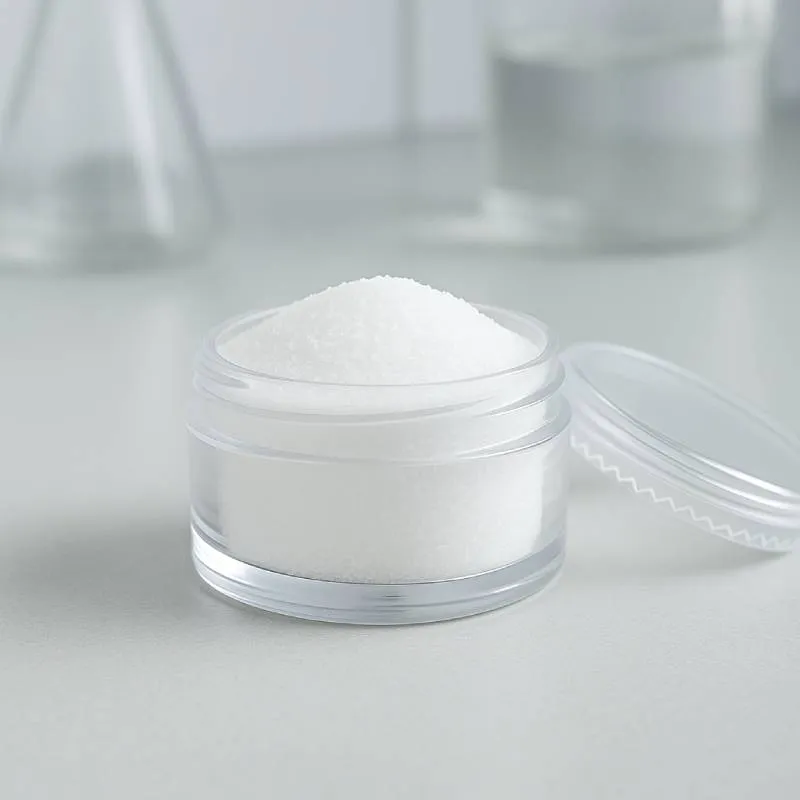
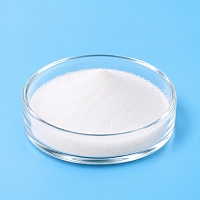
Borax, known chemically as sodium tetraborate decahydrate or pentahydrate, has remained one of the most widely searched mineral compounds across household, craft and small workshop applications worldwide. This 50 gram package suits trial batches, home experiments and hobbyist projects where testing a reagent before committing to a larger volume matters. The product belongs to the section Acids, Salts, Alcohols, and Alkalis, which brings together inorganic compounds for a wide range of technical tasks.
Globally, the strongest demand for borax comes from household cleaning: it forms the base of grout and tile pastes, descaling solutions, and mild wood preservatives that discourage mold and insects. Another major field is jewelry making and metal soldering, where borax works as a flux, lowering the melting point of oxides and helping molten solder flow evenly across joints. Gardeners use diluted borax solutions as a boron source for foliar feeding of fruit trees and vegetables suffering from micronutrient deficiency. A particularly popular hobbyist use worldwide is homemade slime making, where borax acts as the classic cross-linking agent that thickens glue into a stretchable gel.
In cosmetic formulation, sodium tetraborate has long served as an alkaline emulsifier in beeswax-based creams and balms: a small amount dissolved in the water phase reacts with the wax and stabilizes the emulsion without synthetic surfactants. Typical dosage stays around one to two percent of total formula weight, dissolved in warm water near 70 degrees and added while combining the water and oil phases. Overdosing should be avoided, as excess borax thickens the texture excessively and may irritate sensitive skin with repeated use.
Borax pairs well with other salts from the same catalog section for different technical purposes. In household cleaning blends it is often combined with washing soda, boosting degreasing and scouring power. Food preservation and small-batch winemaking applications frequently rely on sodium metabisulfite, while flavor and broth base formulations use sodium glutamate - both reagents sit alongside borax to cover very different production directions.
Borax should be stored in a tightly sealed, dry container away from moisture, since it tends to clump when exposed to humid air. Under proper storage conditions its shelf life is essentially unlimited, making the 50 gram pack a convenient choice for a home workshop, a school chemistry set or a small jewelry studio.
Homemade grout and tile cleaning paste
Borax 30 g
Warm water 100 ml
Baking soda 40 g
Liquid castile soap 15 ml
Dissolve the borax completely in warm water, then gradually stir in the baking soda until a thick paste forms, and finally mix in the liquid soap until smooth. Apply the paste to grout lines with a brush, let it sit for fifteen minutes, then rinse thoroughly with warm water.