-
 Absolutes
-
 Active Complexes
-
 Actives & Peptides
-
 Amino Acids & Proteins
-
 Food Flavors
-
 Ayurvedic Ingredients & Herbs
-
 Vitamins & Coenzymes
-
 Chocolate Making Supplies
-
 Thickeners & Gelling Agents
-
 Hydrosols & Floral Waters
-
 Hydrolyzed Proteins
-
 Fragrance Ingredients
-
 Nutraceutical Ingredients
-
 Acids, Salts, Alcohols & Alkalis
-
 Preservatives & Antioxidants
-
 Cosmetic Ingredients
-
 Colorants, Micas & Glitters
-
 Masks, Scrubs & Botanicals
-
 Oils & Butters
-
 Candle Making Supplies
-
 Melt and Pour Soap Bases
-
 Cream, Lotion & Hair Care Bases
-
 Fragrance Oils & Industrial Aromatics
-
 Cleansing Agents & Surfactants
-
 Peeling Actives & Acids
-
 Cosmetic Powders
-
 Solvents & Humectants
-
 Silicones & Conditioning Agents
-
 Bottles, Jars & Vials
-
 Silicone & Plastic Molds, Tools
-
 Botanical Extracts
-
 Cosmetic Emollients
-
 Emulsifiers
-
 Essential Oils
- Gel Food Coloring Wholesale 39
- Cosmetic Pigments Wholesale 17
- Lipstick Pigments Wholesale 40
- Chocolate Colorants Wholesale 10
- Liquid Migrating Dyes Wholesale 24
- Oil Soluble Liquid Dyes Wholesale 17
- Liquid Ultra Pigments Wholesale 11
- Food Coloring Powders Wholesale 20
- Phosphors and Luminescent Powders Wholesale 21
- Natural colorants Wholesale 39
- Liquid Mica Pigments Wholesale 13
- Pearlescent Pigments Wholesale 222
- Liquid Pigments Wholesale 37
- Wholesale synthetic dyes 9
- Blended colorants Wholesale 33
- Oil Soluble Dye Powders Wholesale 11
- Pigment Powders Wholesale 16
- Fluorescent Neon Pigments Wholesale 55
Fluorescent Neon Pigments Wholesale

 Add to cart


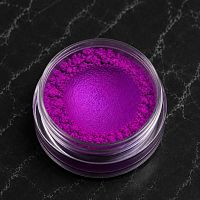


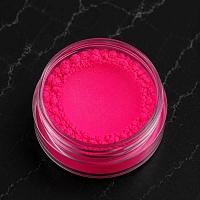


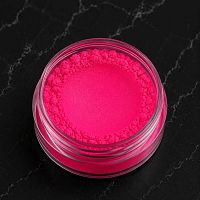
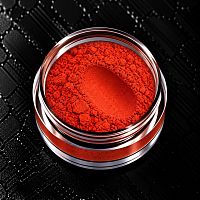


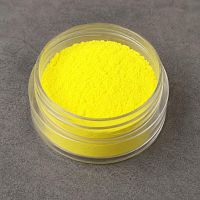
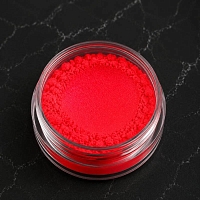
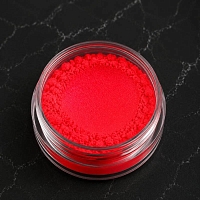


UV reactive color additives for creative formulations
Fluorescent neon pigments are finely milled powder colorants that absorb light and re emit it at a brighter, more saturated wavelength, giving formulations an intense glow under UV or blacklight and a vivid tone even in ordinary daylight. This section covers a range of neon shades suited for blending into oil, wax or aqueous phases within cosmetic and decorative production. Buyers here include small studios formulating in limited batches and larger manufacturing lines building consistent color runs.
Because these pigments carry strong tinting strength, they are used across body and face makeup, bath and shower products, lotions, balms and other decorative cosmetic bases where a bold, uniform color payoff matters. Formulators typically test a small percentage first, since neon pigments disperse quickly and can shift the entire batch tone with only a gram or two. For projects requiring smoother color transition or gradient effects, pairing neon pigments with liquid migrating dyes allows for layered visual effects, while a stable, non shifting undertone can be built using liquid pigments as a base layer before the neon powder is introduced. For test formulations, you can buy fluorescent pigments at retail in small packs.
Shade range and how the tones differ
The lineup spans the full spectrum from cool tones to warm ones, each milled to the same fine particle size so they blend evenly rather than leaving specks in a finished batch. A fluorescent blue pigment and a light green fluorescent pigment sit at opposite ends of the visible spectrum, yet both share the same intensity under blacklight, which makes cross batch matching easier for a production line running several colors at once.
Warmer options such as fluorescent orange pigment and fluorescent red pigment tend to read slightly darker in daylight compared to how they glow under UV, so many formulators keep a reference swatch on hand rather than judging the shade from the raw powder alone. A lemon fluorescent pigment gives a sharper, more acidic yellow than a standard yellow oxide, which is useful when a formulation needs to stand out against a neutral base rather than blend into it.
Choosing a shade and building a formula around it
Selection usually starts with the base the pigment will sit in. Oil and wax phases tend to hold neon tone well and keep it stable over time, while water based formulas can show more shade drift depending on pH and the surfactant system used, so a small trial batch is worth running before committing to a full production run. Loading rate matters more than most formulators expect on a first project, since these pigments carry high tinting strength and a slight overshoot can push a soft pastel into a much harder, almost fluorescent finish.
For layered color work, a fluorescent pink pigment can be dialed back with a small amount of white base to create a softer wash, or pushed toward full intensity in a pink fluorescent pigment in a 1 kg format for larger production runs where consistent color across many units is the priority. Anyone building a broader palette across multiple product lines may find it useful to browse the wider pigment powders wholesale selection for complementary non fluorescent shades to round out a full color system.
Origin, packaging and storage
Powders in this section are sourced from suppliers in China and India and arrive in sealed containers designed to limit exposure to moisture and direct light, both of which can dull tinting strength over time. Storing containers tightly closed, away from direct sunlight and heat, helps preserve the color payoff between production runs, which matters most for buyers holding stock across several months rather than using a full package in a single batch.
Frequently asked questions
What is the difference between neon pigments and regular cosmetic pigments?
Neon pigments absorb light and re emit it at a brighter wavelength, producing a glowing effect under UV light and a more saturated tone in daylight. Regular pigments only reflect light, so they lack this fluorescence and appear flatter in both normal and blacklight conditions.
How much neon pigment should be added to a formulation?
Start with a small test percentage, often just a gram or two per batch, since these pigments have strong tinting strength. Adding too much at once can shift the entire batch tone, so gradual blending and testing in a small sample first is recommended before scaling up.
Can neon pigments be mixed into both oil and water based formulations?
Yes, this range is formulated to disperse into oil, wax and aqueous phases, making them suitable for balms, lotions, bath products and other decorative bases. Always test dispersion in your specific base first, as behavior can vary between oil heavy and water heavy formulations.
How should fluorescent pigments be stored to keep their color intensity?
Keep neon pigments in a sealed container away from direct sunlight and heat, since prolonged light exposure can gradually dull the fluorescent effect over time. A cool, dry storage area helps preserve both color strength and powder consistency for longer shelf use.
Recommendations
When choosing a neon pigment shade, consider the base you are working with and how strong you want the glow effect to appear, since oil and water phases can shift the final tone slightly. Request a small sample batch first if you are testing a new color line for consistency across production runs. Orders can be placed by email, with assembly typically taking three to five business days.



