
-
 Absolutes
-
 Active Complexes
-
 Actives & Peptides
-
 Amino Acids & Proteins
-
 Food Flavors
-
 Ayurvedic Ingredients & Herbs
-
 Vitamins & Coenzymes
-
 Chocolate Making Supplies
-
 Thickeners & Gelling Agents
-
 Hydrosols & Floral Waters
-
 Hydrolyzed Proteins
-
 Fragrance Ingredients
-
 Nutraceutical Ingredients
-
 Acids, Salts, Alcohols & Alkalis
-
 Preservatives & Antioxidants
-
 Cosmetic Ingredients
-
 Colorants, Micas & Glitters
-
 Masks, Scrubs & Botanicals
-
 Oils & Butters
-
 Candle Making Supplies
-
 Melt and Pour Soap Bases
-
 Cream, Lotion & Hair Care Bases
-
 Fragrance Oils & Industrial Aromatics
-
 Cleansing Agents & Surfactants
-
 Peeling Actives & Acids
-
 Cosmetic Powders
-
 Solvents & Humectants
-
 Silicones & Conditioning Agents
-
 Bottles, Jars & Vials
-
 Silicone & Plastic Molds, Tools
-
 Botanical Extracts
-
 Cosmetic Emollients
-
 Emulsifiers
-
 Essential Oils
- Cream Jars Wholesale 463
- Bottles for cosmetics, dispensers wholesale 1470
- Laboratory glassware wholesale 10
- Measuring Equipment Wholesale 12
- Cosmetic Containers Wholesale 1484
- Plastic containers wholesale 16
- Perfume testers wholesale 20
- Glass bottles and jars Wholesale 395
- Perfume Packaging Wholesale 517
- Diffuser bottles and reeds wholesale 25
- Metal perfume atomizers Wholesale 10
Laboratory glassware wholesale

 Subscribe


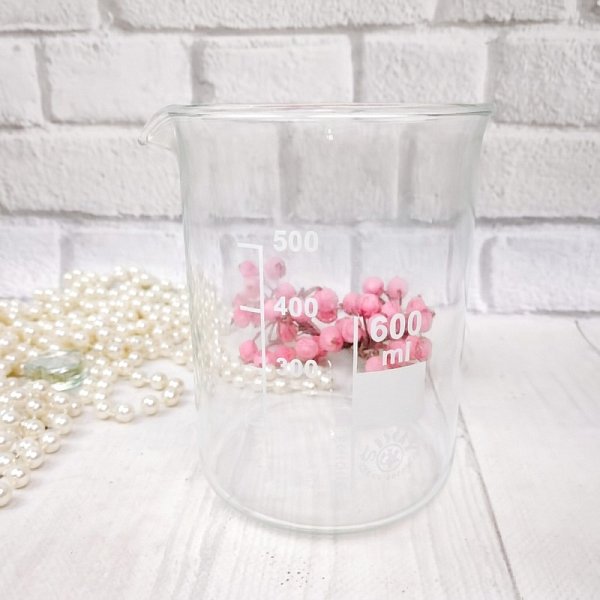

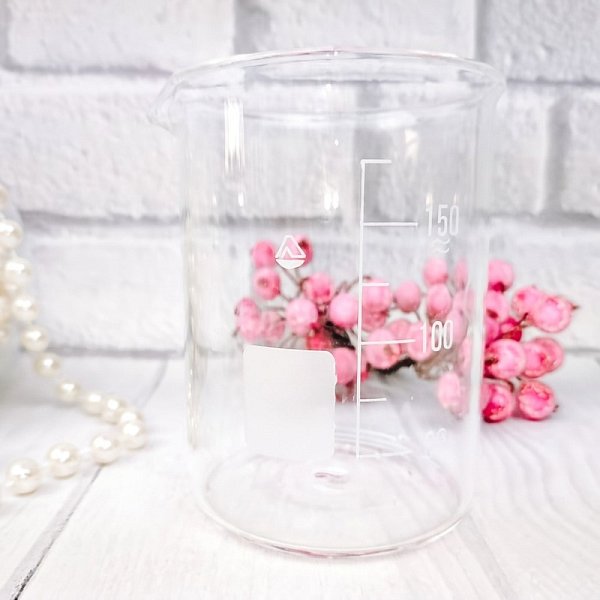
Precision tools for weighing mixing and heating formulas
This section covers laboratory glassware used for measuring, mixing, heating and storing cosmetic formulations during compounding. The range includes beakers, flasks, graduated cylinders, stirring rods and heat resistant containers suited to both bench scale work and larger production runs.
Glassware from this category supports every stage of formulation work, from weighing out emulsifiers and active complexes to heating oil and water phases before combining an emulsion. Graduated cylinders help maintain accurate ratios when a recipe calls for precise dosing of actives or preservatives, while wide neck beakers make it easier to scrape out thicker bases such as butters or gels without waste.
Heat resistant flasks are commonly paired with a water bath when melting waxes or dissolving solid oils, and the same containers double as mixing vessels once the phases are ready to combine. For teams tracking exact volumes across a formulation, it can help to pair this glassware with items from Measuring Equipment Wholesale, and once a batch is finished it typically moves into packaging such as Cream Jars Wholesale for storage or retail.
Types of glassware and how they differ
Beakers are the workhorse of any compounding bench, available in low form and tall form profiles with spouts that make pouring viscous phases easier. Graduated cylinders are built for accuracy rather than mixing, with narrow bodies and fine scale markings that reduce reading error when measuring liquids in small increments.
Erlenmeyer flasks have a narrower neck than a beaker, which limits evaporation and splashing during heating, making them a better fit for extended water bath sessions. Stirring rods, often glass or PTFE tipped, are chosen based on whether the phase being blended is thin like a toner or thick like a butter based cream, since rigidity affects how much force can be applied without breaking.
Choosing the right piece and building a compatible workflow
Selection usually comes down to three questions: what temperature range the vessel will see, how precise the volume reading needs to be, and how the piece will be cleaned between batches. Borosilicate items tolerate rapid temperature shifts better than standard glass, which matters when a flask goes straight from a hot water bath to a cold rinse.
Glassware from this section is rarely used alone. It works alongside containers from Cosmetic Containers Wholesale for staging raw materials before weighing, and formulators frequently keep a set of Plastic containers wholesale nearby for storing partially finished phases between steps. When a batch is destined for fragrance work, the same beakers used for blending are often set next to Perfume Packaging Wholesale for filling once the formula is stable.
Storage, care and pairing with packaging lines
Clean, dry storage away from direct impact reduces chipping and thermal stress cracks over time, and vessels used for heating should be inspected for hairline cracks before each use since a compromised piece can fail under a water bath. Rinsing residues immediately after use prevents actives or oils from hardening on the glass surface and shortening its working life.
Once a formulation is finished, teams typically move straight into filling, whether that means Glass bottles and jars Wholesale for a finished cream or serum, Bottles for cosmetics, dispensers wholesale for a liquid product, or Metal perfume atomizers Wholesale and Perfume testers wholesale when the batch is a fragrance concentrate awaiting dilution and sampling. For reed based home fragrance lines, the same measuring and mixing steps carry over before the blend is transferred into Diffuser bottles and reeds wholesale.
FAQ
What lab glassware is essential for cosmetic formulation work
Most benches rely on a core set of beakers for mixing phases, graduated cylinders for accurate dosing of actives or preservatives, stirring rods, and heat resistant flasks for melting waxes or butters. Together these cover weighing, heating, and combining stages of a typical formulation workflow.
Can the same beakers be used for both oil and water phases
Yes, provided the glassware is heat resistant and cleaned thoroughly between phases. Many formulators keep separate labeled containers for oil and water phases to avoid cross contamination and to speed up repeat batches with consistent results.
What size glassware works best for small batch versus larger production runs
Smaller beakers and flasks in the 100 to 500 milliliter range suit bench scale testing and sample batches, while larger vessels of one liter or more are better suited to production runs where consistent ratios need to scale up without frequent refilling.
How should lab glassware be stored between uses
Glassware should be fully dried before storage to prevent residue buildup or cracking from trapped moisture, and stored upright on stable shelving away from heat sources. Graduated markings should be checked periodically for wear so measurements stay accurate over time.
Recommendations
When choosing glassware for a formulation bench, match the container size to your typical batch volume rather than buying only the largest option available, and pick wide neck designs if you regularly work with thicker butters or gels that need scraping out cleanly. Heat resistant flasks are worth prioritizing if melting waxes or solid oils is a regular part of your process. To place an order or ask about available sizes, reach out to our team by email.



