
-
 Absolutes
-
 Active Complexes
-
 Actives & Peptides
-
 Amino Acids & Proteins
-
 Food Flavors
-
 Ayurvedic Ingredients & Herbs
-
 Vitamins & Coenzymes
-
 Chocolate Making Supplies
-
 Thickeners & Gelling Agents
-
 Hydrosols & Floral Waters
-
 Hydrolyzed Proteins
-
 Fragrance Ingredients
-
 Nutraceutical Ingredients
-
 Acids, Salts, Alcohols & Alkalis
-
 Preservatives & Antioxidants
-
 Cosmetic Ingredients
-
 Colorants, Micas & Glitters
-
 Masks, Scrubs & Botanicals
-
 Oils & Butters
-
 Candle Making Supplies
-
 Melt and Pour Soap Bases
-
 Cream, Lotion & Hair Care Bases
-
 Fragrance Oils & Industrial Aromatics
-
 Cleansing Agents & Surfactants
-
 Peeling Actives & Acids
-
 Cosmetic Powders
-
 Solvents & Humectants
-
 Silicones & Conditioning Agents
-
 Bottles, Jars & Vials
-
 Silicone & Plastic Molds, Tools
-
 Botanical Extracts
-
 Cosmetic Emollients
-
 Emulsifiers
-
 Essential Oils
- Fragrance Oils from England 8
- Fragrance Oils Germany 17
- Fragrance Oils for Creams and Lotions 13
- Fragrance Oils Spain 67
- Lori Fragrance Oils (Latvia) 81
- Polish Fragrance Oils 3
- Fragrance Oil US 365
- Ukrainian Fragrance Oils 344
- French Fragrance Oils 170
- Water Soluble Fragrances 30
- Hypoallergenic fragrances 12
- Home Fragrance Collection 4
- Polymer Granules for Sachets 17
- Lipstick Flavors Oils 21
- Toothpaste fragrances 1
- Cold & Hot Process Soap Fragrance Oils 45
- Laundry detergent fragrance oils 16
- Japanese Fragrance Oils 30
- Perfume compositions 957
- Perfume Fragrance Oils 957
- Fragrance Oils Wholesale 4338
Japanese Fragrance Oils

 Add to cart


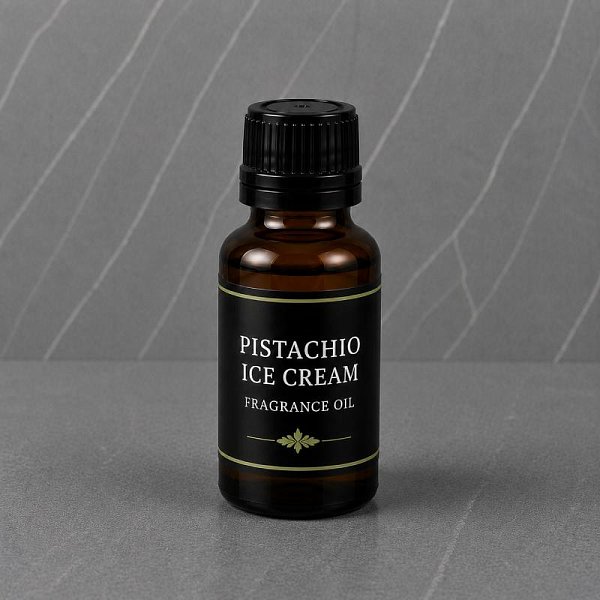
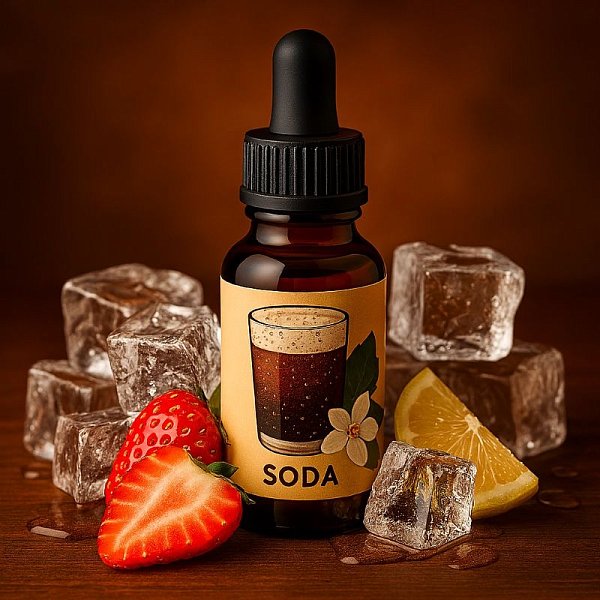

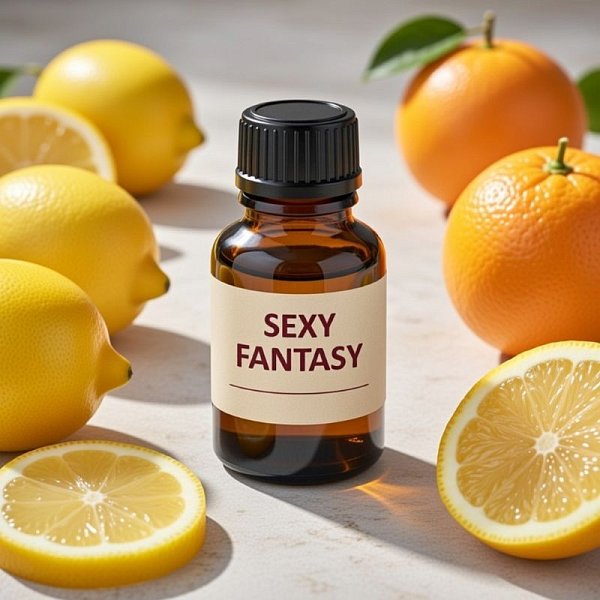


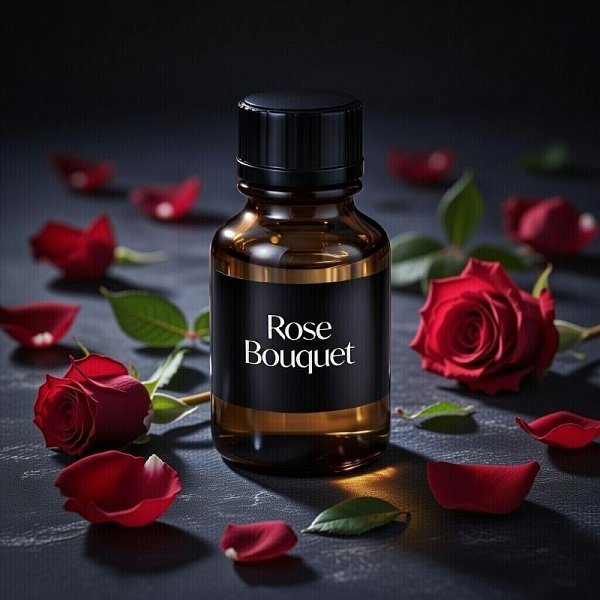


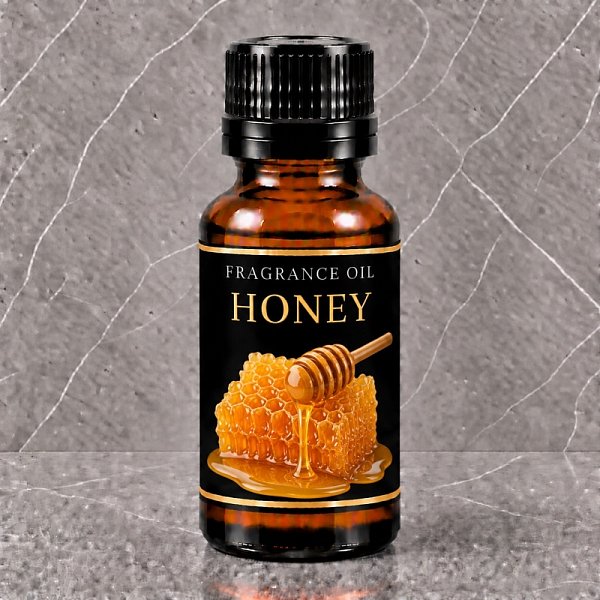


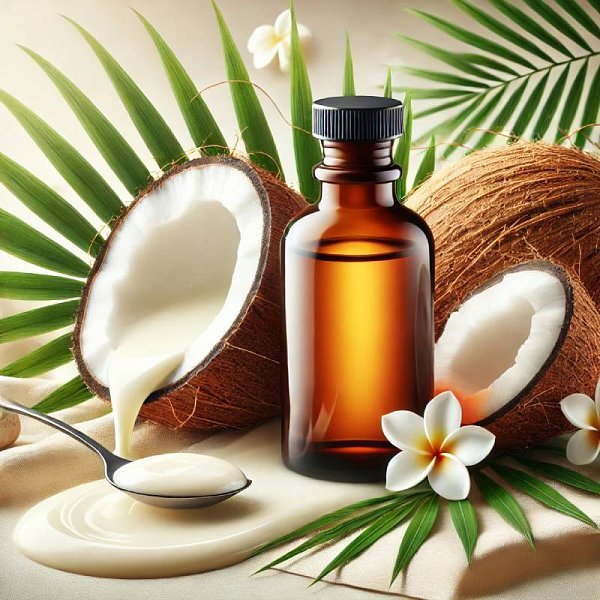
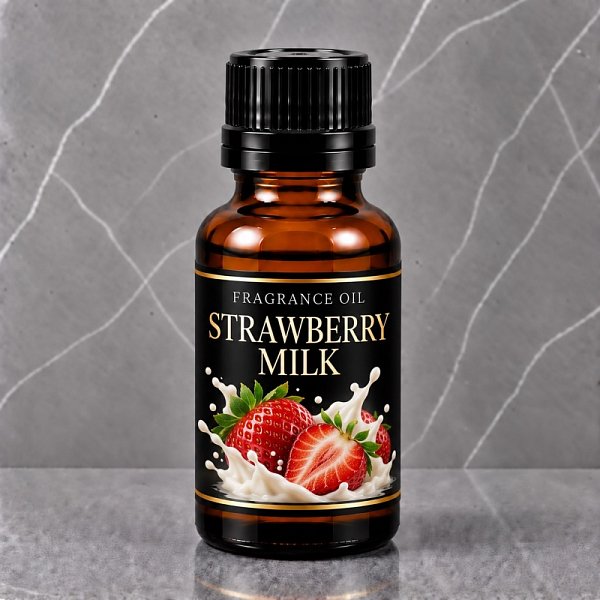



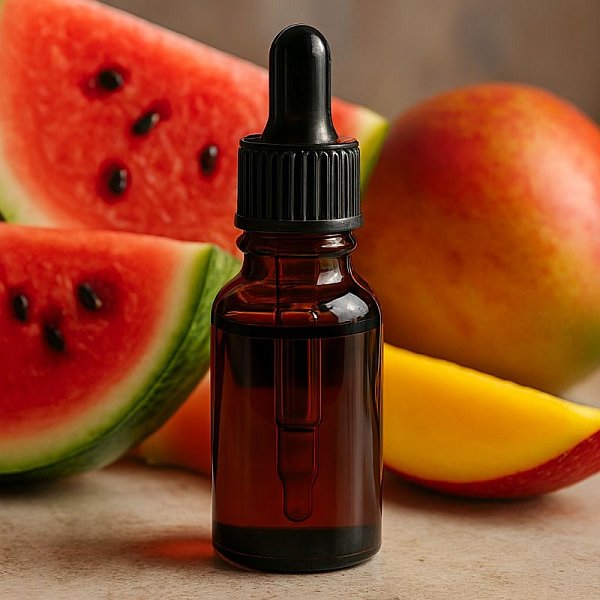

Scent profiles and formulation uses of Japanese fragrance oils
This section covers fragrance oils built around scent profiles associated with Japan, including yuzu, sakura, green tea, bamboo, and matcha accords, sourced as raw aromatic material for cosmetic and personal care formulations. Each oil is supplied as a concentrated blend meant to be dosed into a base rather than used on its own, giving formulators a consistent scent building block across batches.
These fragrance oils are formulated for use in lotions, body butters, scrubs, shampoo bars, bath bombs, and other leave-on and rinse-off products, where stability under heat, pH shifts, and extended shelf time matters. Formulators working across several scent families at once often browse alongside to compare regional profiles side by side, or check when planning larger production runs. For production volumes, it is easier to order from wholesale fragrances oil Japan.
Because dosage and behavior vary by base and by oil, most formulators test a scent in a small batch of their actual recipe before scaling up, checking how it holds through curing, storage, or repeated heat cycles.
Accord families within the range
Within this category, oils tend to split into a few recognizable families rather than a single scent. Citrus-forward blends built around yuzu sit at one end, sharp and bright, while sakura and other floral accords lean softer and powdery. Green tea, bamboo, and matcha profiles form a third group, reading more herbal and quiet, with less top-note projection than the citrus or floral oils.
These families behave differently once blended into a base. A yuzu-style oil tends to read clearly even at lower dosage, while a matcha or bamboo accord often needs a slightly higher percentage to stay noticeable through cure or storage. Formulators who want a fuller citrus wall sometimes compare this range against French Fragrance Oils, which lean into a different set of fruity and gourmand accords, to see which base note structure fits the batch better.
Choosing an oil and building a blend
Selection usually comes down to three things: the base it will go into, the dosage range that base tolerates, and how the scent needs to hold up over time. A whipped body butter, a rinse-off scrub, and a bath bomb all stress a fragrance oil differently, through heat during mixing, through water and pH during use, or through months of shelf storage, so the same oil can perform well in one format and fade faster in another.
Layering is common practice for formulators working with several scent families side by side. A soft floral like Fragrance Oil Delicate orchid, 100 ml or Fragrance Oil Terry Lily of the valley, 100 ml can round out a sharper green tea or bamboo base, while a creamy note such as Fragrance Oil Coconut milk, 100 ml softens a citrus accord instead of competing with it. Fresh green or aquatic-leaning options like Fragrance Oil Fresh lily of the valley, 100 ml or Fragrance Oil South melon, 100 ml pair well with the sharper citrus end of the range, while gourmand notes such as Fragrance Oil Chocolate brownie, 100 ml or Fragrance Oil Raspberry and Verbena, 100 ml are usually kept in separate batches rather than blended directly with the lighter green or floral accords, since the intensity difference is significant.
Origin and storage
The oils in this section are sourced from Japan, reflecting the scent traditions the range is built around. As with any concentrated fragrance oil, they should be stored in tightly sealed containers, away from direct light and heat, since both can shift the top notes over time and shorten how long a blend stays true to its original profile. Formulators planning production runs across multiple scent lines often check French Fragrance Oils alongside this range to map out a fuller scent library before committing to a season's formulations.
FAQ
What is the difference between yuzu and sakura scented fragrance oils for cosmetics?
Yuzu profiles lean citrus and slightly bitter, giving a fresh top note, while sakura blends are softer and floral with a powdery finish. Both are dosed as accents in a base rather than used alone, so the choice depends on whether your formulation calls for a brighter or a more delicate character.
How much fragrance oil should be added to a lotion or scrub base?
Dosage depends on the specific oil, the base type, and the intended strength of scent, so there is no single fixed rate across all formulations. Most formulators start with a small test batch of the actual recipe, then adjust up or down based on how the scent performs after mixing and curing.
Do these fragrance oils hold up in bath bombs and heat processed products?
Stability varies by oil and by the amount of heat or moisture involved in the process, which is why testing in the finished format matters before scaling production. Blends in this range are formulated with rinse-off and leave-on stability in mind, but a small trial batch confirms performance in your specific base.
Can green tea and matcha fragrance oils be combined with other scent families?
Yes, green tea and matcha accords are commonly layered with lighter florals or citrus notes to build a more rounded profile. Combining oils works best when tested together in a small sample first, since blending ratios affect how each note reads once cured in the final product.
Recommendations
When choosing a scent from this range, match the accord to your product format first, since a note that performs well in a rinse-off scrub may behave differently in a leave-on lotion or a heat-cured bath bomb. Request a small sample size before committing to a larger batch, and test it in your own base to confirm dosage and long-term stability. For questions on a specific oil or to plan a production quantity, reach out by email and our team can help match a profile to your formulation.



