-
 Absolutes
-
 Active Complexes
-
 Actives & Peptides
-
 Amino Acids & Proteins
-
 Food Flavors
-
 Ayurvedic Ingredients & Herbs
-
 Vitamins & Coenzymes
-
 Chocolate Making Supplies
-
 Thickeners & Gelling Agents
-
 Hydrosols & Floral Waters
-
 Hydrolyzed Proteins
-
 Fragrance Ingredients
-
 Nutraceutical Ingredients
-
 Acids, Salts, Alcohols & Alkalis
-
 Preservatives & Antioxidants
-
 Cosmetic Ingredients
-
 Colorants, Micas & Glitters
-
 Masks, Scrubs & Botanicals
-
 Oils & Butters
-
 Candle Making Supplies
-
 Melt and Pour Soap Bases
-
 Cream, Lotion & Hair Care Bases
-
 Fragrance Oils & Industrial Aromatics
-
 Cleansing Agents & Surfactants
-
 Peeling Actives & Acids
-
 Cosmetic Powders
-
 Solvents & Humectants
-
 Silicones & Conditioning Agents
-
 Bottles, Jars & Vials
-
 Silicone & Plastic Molds, Tools
-
 Botanical Extracts
-
 Cosmetic Emollients
-
 Emulsifiers
-
 Essential Oils
- Absolutes Wholesale 87
- Active Complexes for Cosmetics Wholesale 388
- Amino Acids & Proteins Wholesale 90
- Antioxidants Wholesale 293
- Ayurvedic Powders Wholesale 273
- Biocides Wholesale 16
- Thickeners and Gelling Agents in Bulk 112
- Bulk Hydrosols for Cosmetics 10
- Hydrocolloids in Bulk 5
- Hydrolyzed Proteins Wholesale 106
- Aromatic Fragrant Waters Wholesale 27
- Fragrance Ingredients Bulk 168
- Preservatives & Antioxidants Wholesale 157
- Corneotherapy Wholesale 10
- Cosmetic Clay Wholesale 14
- Neutralizers/pH Correctors Wholesale 17
- Surfactants Wholesale 144
- Cosmetic Peelings Wholesale 77
- Cosmetic Powders Wholesale 403
- Silicones and Conditioning Surfactants for Hair Wholesale 116
- Resins and Resinoids Wholesale 17
- UV and SPF Filters Wholesale 84
- Cosmetic Emollients Wholesale 132
- Emulsifiers Wholesale 328
- Enzymes, Filtrates and Lysates in Bulk 35


UV and SPF Filters Wholesale
 Add to cart




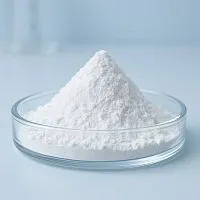




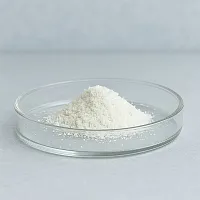
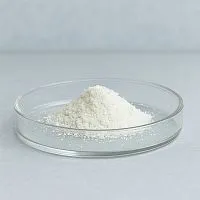

Sun protection actives for creams lotions and serums
This section offers organic and mineral UV filters used to build sun protection into cosmetic formulations. These raw materials absorb, scatter or reflect ultraviolet radiation and form the functional base of sunscreens, daily moisturizers, lip balms and after sun products. Formulators select filters based on the UVA or UVB range they cover, texture behavior and compatibility with the rest of the emulsion.
UV filters rarely work alone. They are typically combined with emollients, emulsifiers and stabilizing systems to achieve an even, photostable finish, and many formulas also lean on preservatives and antioxidants to protect the finished product from oxidation over its shelf life. Beyond dedicated sunscreens, small percentages of UV filters appear in day creams, tinted bases and hair care products designed to reduce environmental damage.
Some manufacturers also blend UV actives with light aqueous carriers such as aromatic fragrant waters to build lighter facial mists with a protective function, showing how flexible these ingredients are across different product formats.
Mineral versus organic filter types
Filters in this category fall into two broad families. Mineral options such as UV filter ZINC OXIDE 1 kg sit on the skin surface and physically scatter or reflect radiation, which makes them a common choice for sensitive skin lines and mineral based sunscreens. Organic filters work differently, absorbing UV energy and converting it into a small amount of heat before it reaches deeper skin layers.
Within the organic group there is further variation by wavelength coverage. Avobenzone 1 kg is valued mainly for UVA coverage, while SPF Filter Octocrylene 1 L and SPF filter OM-Cinnamate 1 L lean toward the UVB range, so many finished formulas combine two or more filters to build a broad spectrum profile rather than relying on a single raw material.
Choosing a filter and building the surrounding formula
The benzophenone family adds another layer of flexibility. Benzophenone-1 1 kg, Benzophenone-4 1 kg and Benzophenone-3 1 kg differ in their absorption peaks and water solubility, which affects how easily each one blends into an aqueous or oil phase during production. Formulators usually pick a filter based on the target SPF, the texture of the base cream or lotion, and how the raw material behaves once it meets emulsifying agents.
Because these actives need a stable carrier system to stay evenly distributed, they are almost always paired with ingredients from the Emulsifiers Wholesale range. The right emulsifier keeps oil soluble and water soluble filters bound together in one consistent phase, which is essential not just for sunscreens but for any lightweight lotion, primer or leave on product built around UV protection as a secondary function.
Origin and storage notes
Raw materials in this section arrive from manufacturers in the United States, France, Germany, Korea, England and Japan, giving formulators access to filters produced under different regional cosmetic standards. Most of these actives are sensitive to light, heat and prolonged air exposure, so they should be stored in tightly sealed original containers, away from direct sunlight, and used within a reasonable window after opening to keep their absorption performance stable batch to batch.
FAQ
What is the difference between mineral and organic UV filters
Mineral filters sit on the skin surface and primarily scatter or reflect ultraviolet light, while organic filters absorb UV radiation and convert it into heat within the skin. Formulators often combine both types to balance texture, broad spectrum coverage and finish in a single sunscreen formula.
How much UV filter should be used in a cosmetic formula
Usage levels depend on the specific filter, the target SPF and regulatory limits for that ingredient. Most organic and mineral filters are used within a defined percentage range, and formulators typically build up protection by combining several filters rather than maximizing a single one.
Can UV filters be added to everyday moisturizers and not just sunscreens
Yes, small percentages of UV filters are commonly blended into day creams, tinted bases and lip balms to add a protective function without turning the product into a dedicated sunscreen. This is a widespread approach for daily wear formulas.
How should UV filter raw materials be stored before use
Most UV filters should be kept in sealed, light protected containers at cool room temperature away from direct sunlight and humidity. Proper storage helps preserve their stability and prevents premature degradation before the ingredient is formulated into a finished product.
Recommendations
When choosing a UV filter for a specific formula, match the filter type to your target texture, the UVA or UVB range you need to cover and how it will behave alongside your emollients and emulsifiers. Request a small trial batch first to check compatibility and finish before committing to a larger order. Our team can help you select the right raw material for your production volume, so feel free to reach out by email with your formulation goals and order details.


