Why Benzophenone-1 Matters Beyond Sunscreen Formulas
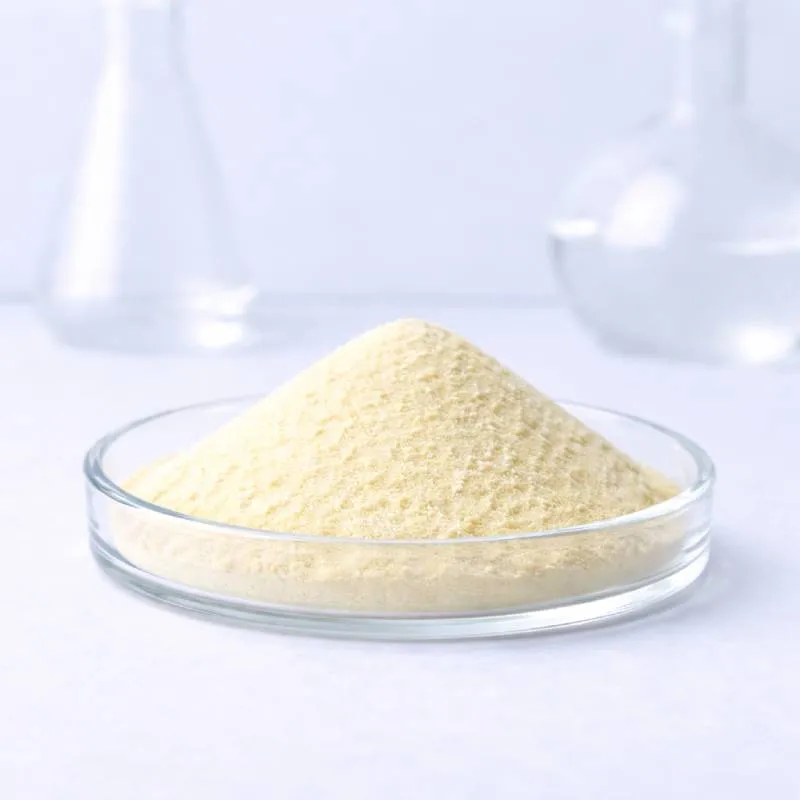
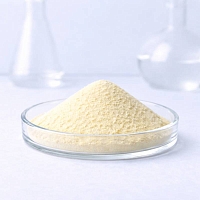
Benzophenone-1 is an organic compound from the benzophenone family whose global demand is driven primarily by heavy industry rather than personal care alone. Manufacturers of polymers, coatings, printing inks, packaging films and protective finishes rely on this material as a ultraviolet absorber that prevents photodegradation of plastics and coated surfaces, stopping yellowing, cracking and loss of mechanical strength caused by prolonged sun exposure. This is why the compound is used at scale in polyethylene and polypropylene manufacturing, automotive plastic parts, outdoor signage, food and industrial packaging, and wood or textile preservation systems exposed to weather. Within cosmetic chemistry, the ingredient belongs to the category of UV and SPF Filters for Cosmetics, where it functions as a secondary absorber covering UVB and a portion of the UVA range, along with stabilizing other filters and fragrance compounds against light-induced breakdown.
In sun care formulations, Benzophenone-1 is rarely used alone — it typically works alongside complementary filters to broaden the absorption spectrum. A common pairing is with Homosalate, which covers part of the UVB range and improves the sensory feel of the formula on skin, or with the encapsulated system Protection lens, delivering broad-spectrum coverage while limiting migration of active molecules into deeper skin layers. It also blends well with SPF filter OM-Cinnamate, allowing formulators to build layered protection systems with synergistic absorption across different wavelengths.
Beyond sunscreens, Benzophenone-1 is used as a photostabilizer in fine fragrance compositions, after-sun lotions, hair care products and body creams, where its role is not to raise the SPF rating but to protect fragrance oils and colorants from light-driven degradation, extending shelf stability of the finished product. In household chemistry it appears in car care and detailing products, and in coatings designed to protect outdoor plastic furniture and garden equipment from sun fading. Typical dosage in industrial polymer compounds ranges from 0.1 to 2% of the material weight, while cosmetic emulsions usually call for 1 to 5%, depending on the desired protection level and the combination with other actives. The recommended addition point is the oil phase, heated to roughly 70-80 degrees Celsius until the material is fully dissolved, after which the phase is combined with the water phase following a standard emulsification sequence. In polymer processing, the compound is introduced during pelletizing or extrusion at temperatures matching the specific resin being treated.
The 1 kg package size targets manufacturers running a steady production schedule — studios producing regular batches of sun care and skin care lines, as well as small to mid-size industrial operations that need dependable supply without frequent reordering. This volume supports consistent formulation planning across several production runs. Store the material in a tightly sealed container, in a dry area away from direct sunlight and heat sources, to preserve its absorbing efficiency throughout the stated shelf life.
Broad-spectrum body spray with fragrance protection
Distilled water 720 ml
Caprylic capric triglyceride 50 ml
Polysorbate 20 30 g
Benzophenone-1 22 g
Aloe vera extract 40 ml
Glycerin 20 ml
Fragrance oil 6 ml
Preservative 6 ml
Combine
the oil phase ingredients with Benzophenone-1 and heat to about 75 degrees
Celsius until fully dissolved, then blend the aloe extract and glycerin into
the water phase at the same temperature. Slowly add the oil phase into the
water phase while stirring continuously, cool the mixture to 40 degrees, add
fragrance oil and preservative, mix until uniform, and transfer into opaque
spray bottles.