-
 Absolutes
-
 Active Complexes
-
 Actives & Peptides
-
 Amino Acids & Proteins
-
 Food Flavors
-
 Ayurvedic Ingredients & Herbs
-
 Vitamins & Coenzymes
-
 Chocolate Making Supplies
-
 Thickeners & Gelling Agents
-
 Hydrosols & Floral Waters
-
 Hydrolyzed Proteins
-
 Fragrance Ingredients
-
 Nutraceutical Ingredients
-
 Acids, Salts, Alcohols & Alkalis
-
 Preservatives & Antioxidants
-
 Cosmetic Ingredients
-
 Colorants, Micas & Glitters
-
 Masks, Scrubs & Botanicals
-
 Oils & Butters
-
 Candle Making Supplies
-
 Melt and Pour Soap Bases
-
 Cream, Lotion & Hair Care Bases
-
 Fragrance Oils & Industrial Aromatics
-
 Cleansing Agents & Surfactants
-
 Peeling Actives & Acids
-
 Cosmetic Powders
-
 Solvents & Humectants
-
 Silicones & Conditioning Agents
-
 Bottles, Jars & Vials
-
 Silicone & Plastic Molds, Tools
-
 Botanical Extracts
-
 Cosmetic Emollients
-
 Emulsifiers
-
 Essential Oils
- Gel Food Coloring Wholesale 39
- Cosmetic Pigments Wholesale 17
- Lipstick Pigments Wholesale 40
- Chocolate Colorants Wholesale 10
- Liquid Migrating Dyes Wholesale 24
- Oil Soluble Liquid Dyes Wholesale 17
- Liquid Ultra Pigments Wholesale 11
- Food Coloring Powders Wholesale 20
- Phosphors and Luminescent Powders Wholesale 21
- Natural colorants Wholesale 39
- Liquid Pearl Pigmen Wholesale 13
- Pearlescent Pigments Wholesale 222
- Liquid Pigments Wholesale 37
- Wholesale synthetic dyes 9
- Blended colorants Wholesale 33
- Oil Soluble Dye Powders Wholesale 11
- Pigment Powders Wholesale 16
- Fluorescent Neon Pigments Wholesale 55


Liquid Ultra Pigments Wholesale

 Add to cart
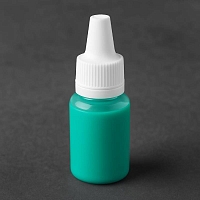
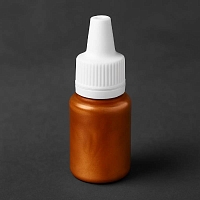
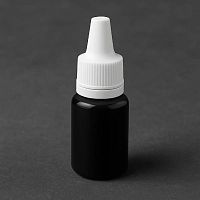
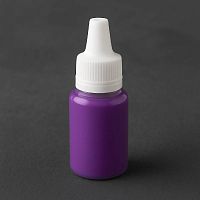

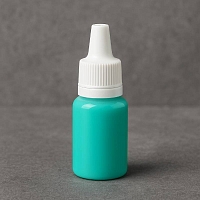
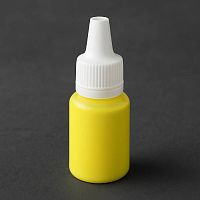
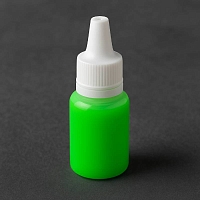
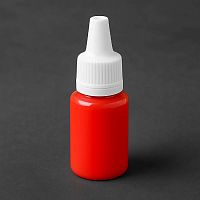
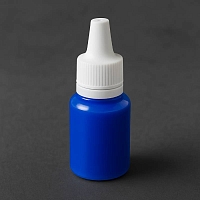
Concentrated Colorants for Custom Shade Development
This section covers concentrated liquid pigment dispersions supplied in a fluid, ready-to-dose form rather than powder. Formulators use them to introduce color into a base without the dusting, clumping, or extended mixing time typical of dry pigments, and the liquid carrier allows the color to disperse evenly with a simple stir or low-shear blend.
Liquid ultra pigments are common in emulsion-based products such as body lotions, creams, and balms, as well as in liquid soap bases, bath products, and decorative resin or wax compositions where a smooth, streak-free tint matters. Because dosing is done drop by drop or by weight, small batches can be color-matched quickly, which is useful for both home-based studios and production lines running frequent shade changes.
For projects that need color movement or a marbled swirl effect rather than a flat, uniform tint, the Liquid Migrating Dyes line is worth comparing, while formulators who prefer a non-bleeding, stable tint across the whole mass often pair this range with Liquid pigments from the neighboring category.
Shade Ranges and Formulation Differences
Within this line, shades are grouped by tone family rather than by a single fixed palette, which lets a formulator build a coherent set across a product line. A deep neutral such as Black Agate liquid pigment ultra 1 L behaves differently in a base than a cool tone like Sea Breeze liquid pigment 1 L, since darker concentrates typically need less volume to reach full saturation while lighter and brighter shades, such as Lilac obsession liquid pigment ultra 1 L, often require slightly higher dosing to avoid a washed-out result. Multi-tone options like Liquid Ultra Multifruit Dye 1 L are built for blended or gradient effects, giving several undertones from a single bottle rather than one flat color.
The main technical difference across the range comes down to particle load and carrier viscosity, which affects how the color behaves once mixed into a warm versus a cold-processed formulation. Thinner concentrates disperse almost instantly with a hand whisk, while denser ones benefit from a brief low-shear mix to avoid streaking near the edges of a mold or container.
Choosing the Right Concentrate and Building a Formulation
Selection usually starts with the base itself: an oil-heavy emulsion, a clear gel, or a water-based liquid soap will each accept pigment load differently, so a small test batch at the intended ratio is the most reliable way to confirm the final shade before scaling up. Formulators also weigh how the finished product will be used, since a rinse-off item can carry a bolder dose than a leave-on cream where a lighter tint is usually preferred.
These concentrates are commonly paired with thickeners, emulsifiers, and stabilizing agents already present in the base recipe, and they layer well with other color tools depending on the visual effect needed. For a solid, non-graduated tint across an entire batch, many formulators cross-reference the Pigment Powders Wholesale range or the oil-based options under Oil soluble liquid dyes wholesale, both of which mix into fat-based phases more predictably than water-carried concentrates. Where a shimmering or metallic finish is the goal rather than a flat tint, the Liquid Pearl Pigmen Wholesale selection adds a reflective quality that a plain liquid tint cannot replicate on its own, and the dry counterparts listed under Oil Soluble Dye Powders Wholesale remain useful for anhydrous formulations where any added liquid volume needs to stay minimal.
Origin and Storage
The concentrates in this category are sourced from German manufacturing, which typically means consistent batch-to-batch color values that matter for production runs needing repeatable shade matching. Bottles should be kept sealed, away from direct sunlight and heat sources, since prolonged light exposure can gradually shift the tone of a concentrate over time. A brief shake before use is generally enough to redistribute any settled pigment at the bottom of the container, restoring an even, ready-to-dose consistency.
FAQ
What is the difference between liquid pigment dispersions and powder pigments?
Liquid dispersions are pre-wetted in a carrier, so they blend into a base with a quick stir instead of prolonged high-shear mixing. This avoids airborne dust, reduces clumping risk, and makes small-batch color matching faster and more consistent than working with dry powder.
What products can liquid ultra pigments be used in?
They work in emulsions like lotions, creams, and balms, in liquid soap bases, bath products, and decorative resin or wax pieces. The liquid carrier disperses smoothly across water-based and oil-based systems alike, giving a streak-free tint without extended blending.
How much pigment is typically needed per batch?
Dosage is usually measured drop by drop or by weight, starting low and building up gradually since concentration varies by shade and base type. Testing a small sample batch first helps confirm the exact ratio before scaling to full production volume.
How should liquid colorants be stored to keep their consistency?
Keep containers tightly sealed, away from direct light and heat, and stir before use if any separation is visible. Stable storage conditions preserve dispersion quality and prevent settling that could affect color consistency between batches.
Recommendations
When choosing a shade or batch, request a small sample first and test it in your actual base, since final color can shift depending on the carrier and other ingredients in the formulation. Compare intensity across a couple of shades from the range before committing to a larger volume, and keep notes on dosage ratios for repeatable results. To check current stock, shade options, or place an order, reach out by email and our team will help match the right pigment to your project.



