-
 Absolutes
-
 Active Complexes
-
 Actives & Peptides
-
 Amino Acids & Proteins
-
 Food Flavors
-
 Ayurvedic Ingredients & Herbs
-
 Vitamins & Coenzymes
-
 Chocolate Making Supplies
-
 Thickeners & Gelling Agents
-
 Hydrosols & Floral Waters
-
 Hydrolyzed Proteins
-
 Fragrance Ingredients
-
 Nutraceutical Ingredients
-
 Acids, Salts, Alcohols & Alkalis
-
 Preservatives & Antioxidants
-
 Cosmetic Ingredients
-
 Colorants, Micas & Glitters
-
 Masks, Scrubs & Botanicals
-
 Oils & Butters
-
 Candle Making Supplies
-
 Melt and Pour Soap Bases
-
 Cream, Lotion & Hair Care Bases
-
 Fragrance Oils & Industrial Aromatics
-
 Cleansing Agents & Surfactants
-
 Peeling Actives & Acids
-
 Cosmetic Powders
-
 Solvents & Humectants
-
 Silicones & Conditioning Agents
-
 Bottles, Jars & Vials
-
 Silicone & Plastic Molds, Tools
-
 Botanical Extracts
-
 Cosmetic Emollients
-
 Emulsifiers
-
 Essential Oils
- Absolutes 55
- Active Complexes 265
- Actives & Peptides 4860
- Amino Acids & Proteins 71
- Food Flavors 2097
- Ayurvedic Ingredients & Herbs 220
- Vitamins & Coenzymes 108
- Chocolate Making Supplies 109
- Thickeners & Gelling Agents 101
- Hydrosols & Floral Waters 139
- Hydrolyzed Proteins 87
- Fragrance Ingredients 44
- Nutraceutical Ingredients 797
- Acids, Salts, Alcohols & Alkalis 112
- Preservatives & Antioxidants 132
- Cosmetic Ingredients 8494
- Colorants, Micas & Glitters 1423
- Masks, Scrubs & Botanicals 1259
- Oils & Butters 1711
- Candle Making Supplies 542
- Melt and Pour Soap Bases 341
- Cream, Lotion & Hair Care Bases 89
- Fragrance Oils & Industrial Aromatics 6527
- Cleansing Agents & Surfactants 140
- Peeling Actives & Acids 57
- Cosmetic Powders 325
- Solvents & Humectants 37
- Silicones & Conditioning Agents 91
- Bottles, Jars & Vials 3927
- Silicone & Plastic Molds, Tools 6071
- Botanical Extracts 3614
- Cosmetic Emollients 108
- Emulsifiers 304
- Essential Oils 606


Peeling Actives & Acids

 Add to cart
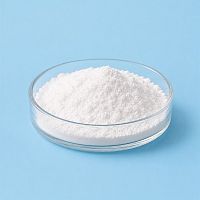
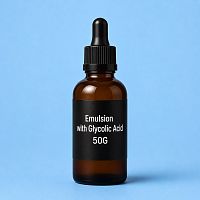
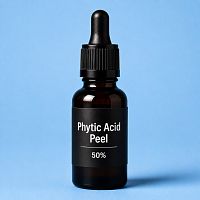
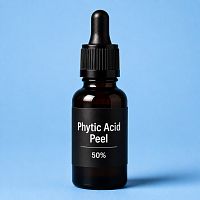
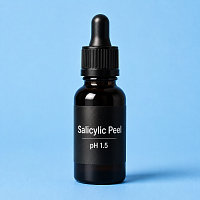
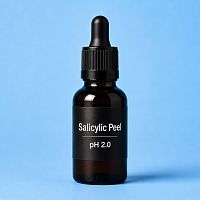
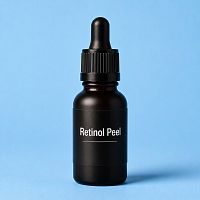
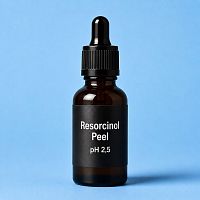
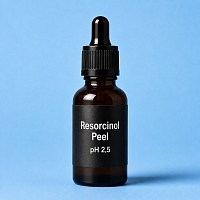
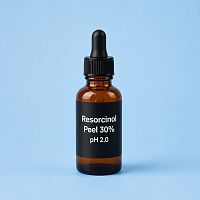
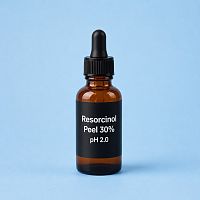
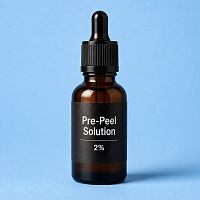
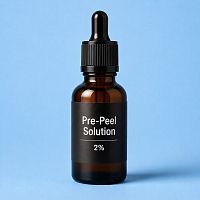
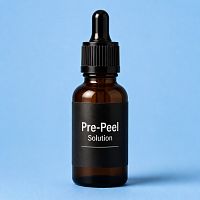
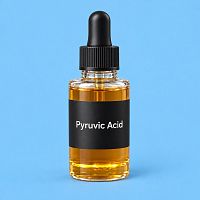
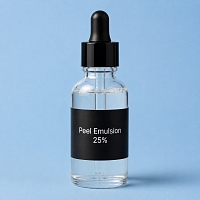
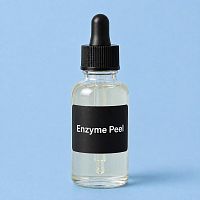
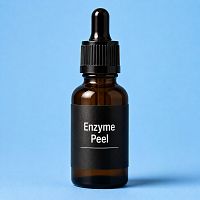
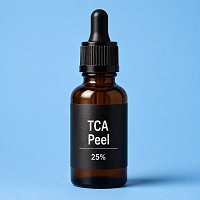
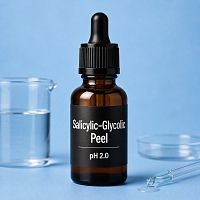
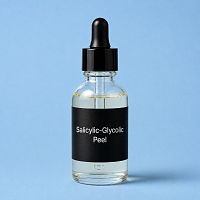

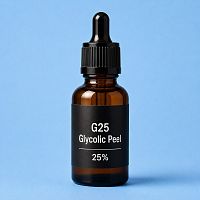
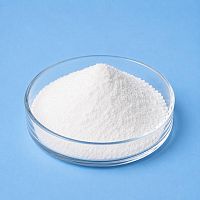


Exfoliating raw materials for creams scrubs and serums
This section covers exfoliating ingredients used to formulate skin care products that remove dead skin cells and refine texture. The range includes physical exfoliants such as fine granules and powders, along with chemical exfoliating agents and enzyme-based components sourced for cosmetic manufacturing at any scale.
These ingredients are blended into facial and body scrubs, cleansing gels, resurfacing creams, and leave-on treatment serums. Formulators combine them with oils, humectants, and active complexes to balance the intensity of exfoliation for different skin types and product concentrations.
Some exfoliating powders pair naturally with botanical additives found in Face Masks, Scrubs, and Dried Flowers, while colored variants can be combined with pigments from Dyes, Pearlescents, and Glitters for visually distinct textures in finished formulations.
Physical, Chemical, and Enzyme Exfoliants
Physical exfoliants rely on granular texture to manually lift dead skin cells during cleansing, making them a common base for scrubs and polishing treatments. Chemical exfoliants work differently, dissolving the bonds between skin cells through acid activity, which allows for a smoother, more even resurfacing effect without abrasive friction.
Within this category, alpha-hydroxy acids such as Glycolic Acid 70% 5 g and Pyruvic Acid 5 g are valued for their small molecular size and fast penetration, while beta-hydroxy options like Salicylic Peel pH 2.0, 50 ml are oil-soluble and better suited to formulations targeting congested or oily skin types. Enzyme-based agents, including Bromelain 10 g, break down surface proteins through a gentler biochemical mechanism, offering an alternative for sensitive-skin formulations where acid concentration needs to stay low.
Choosing a Grade and Building a Formulation
Selecting the right exfoliating raw material depends on the finished product concentration, the target pH range, and how the ingredient will interact with other actives already present in a formula. Ready-to-use blends such as AHA Fruit Complex 10 ml and its larger counterpart, AHA Fruit Complex 100 ml, combine several fruit-derived acids at balanced ratios, which simplifies dosing for manufacturers who want multi-acid action without formulating each acid separately.
Concentrated single-acid raw materials, like the Retinol Peel 50 ml, require more precise handling and are typically diluted into serums or treatment masks rather than used at full strength. These raw materials are frequently paired with soothing botanicals, occlusive oils, and buffering agents to offset any tightness or sensitivity that can follow active exfoliation, and many formulators also draw on decorative or textural elements from sections like Molds, Packaging, Tools when developing finished retail products around these actives.
Origin and Storage Considerations
Exfoliating raw materials in this range originate from a mix of established chemical and cosmetic ingredient producers across France, Germany, Spain, the United States, Ukraine, Italy, and Israel, reflecting the variety of manufacturing standards used for acid synthesis and enzyme extraction.
Most acids and enzyme powders are sensitive to heat, light, and moisture, so they should be stored in tightly sealed containers away from direct sunlight to preserve potency. Manufacturers working at larger volumes should also monitor shelf life closely, since active acid concentrations can shift gradually if raw materials are kept beyond recommended storage windows.
FAQ
What is the difference between physical and chemical exfoliating ingredients in cosmetic formulations?
Physical exfoliants are granular materials that manually lift dead skin cells during application, while chemical and enzyme-based exfoliants work by loosening the bonds between skin cells without abrasive texture. Formulators choose between the two, or combine them, depending on the desired sensory profile and intensity of the finished scrub, cream, or serum.
How much exfoliating powder or granule should be added to a scrub or cream base?
Concentration depends on the exfoliant type and particle size, but most formulators start with a small percentage of the total batch and adjust based on texture and skin feel. It is best to test a sample batch first, since granule density and grain size vary between suppliers and product lines.
Can exfoliating ingredients be combined with active complexes and oils in the same formula?
Yes, exfoliating raw materials are routinely blended with oils, humectants, and active complexes to balance intensity and support skin comfort during use. This combination is common in resurfacing creams and leave-on treatment serums where a gentler exfoliation profile is required.
How should exfoliating powders and granules be stored before use in production?
These materials should be kept in sealed, dry containers away from direct heat and moisture to prevent clumping or degradation before formulation. Proper storage helps maintain consistent particle size and performance across production batches.
Recommendations
When selecting an exfoliant for a specific formula, match the particle size and type to your target texture, coarser granules suit body scrubs, while finer powders or chemical agents work better in facial treatments and serums. Request a small sample batch first to test blending behavior with your existing base. To place an order or ask about available batches, reach out by email and our team will help you find the right fit for your production scale.



