Pineapple-derived enzyme bridging skincare formulation and food processing
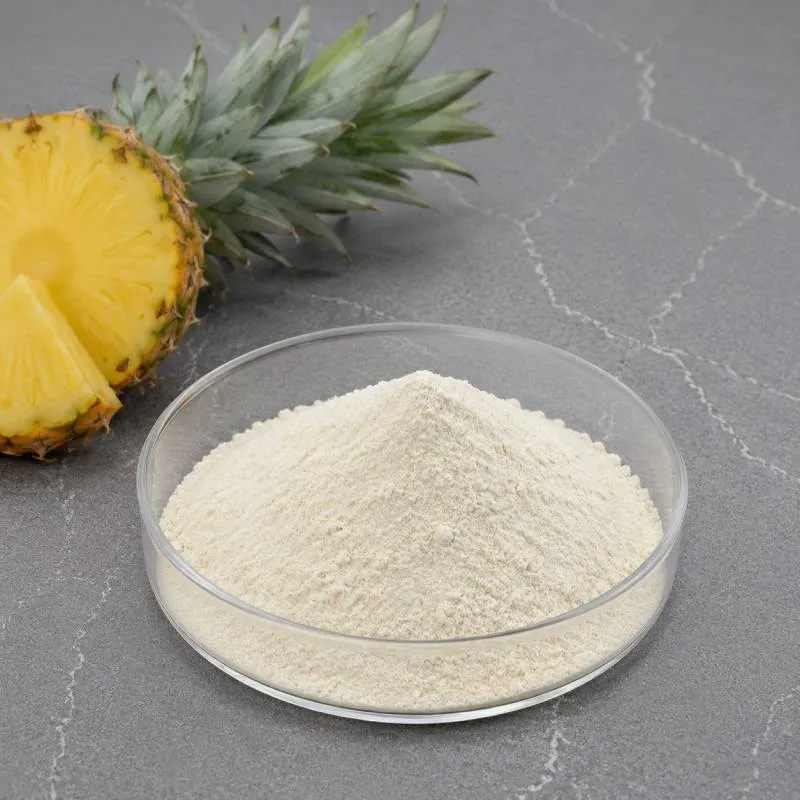
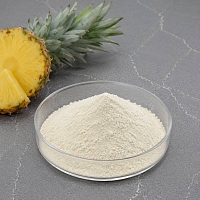
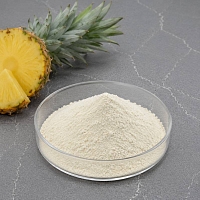
Bromelain is a proteolytic enzyme extracted from the stem and fruit of pineapple, valued for its ability to break down protein structures into smaller fragments. This mechanism explains why bromelain is in demand well beyond skincare labs: across the world it is widely used in the food industry for meat tenderizing and beverage clarification, in pharmaceutical and nutraceutical production as part of enzyme blends, and in textile and leather processing for caring for natural fibers. Within the ingredient catalog, this raw material belongs to the Enzymes, Filtrates, and Lysates section, which brings together active enzymatic ingredients for formulations of varying complexity.
In skincare development, bromelain functions as a gentle enzymatic exfoliant, gradually loosening the bonds between dead surface cells without relying on abrasive particles. This makes it a common choice for enzyme masks, brightening serums, and activating powders that release enzyme activity upon contact with water. Formulators frequently pair bromelain with other functional actives to intensify renewal effects, such as Zymo Clear MD, or combine it with Celldetox to help smooth skin texture after the enzymatic action.
Beyond cosmetics, bromelain plays a practical role in food technology and biotech processes as a protein softener and foam stabilizer in beverage production. In multifunctional formulations aimed at supporting the skin or gut microbiome, it is sometimes combined with prebiotic ingredients such as PREBIULIN C90, resulting in a system with both enzymatic and prebiotic functionality.
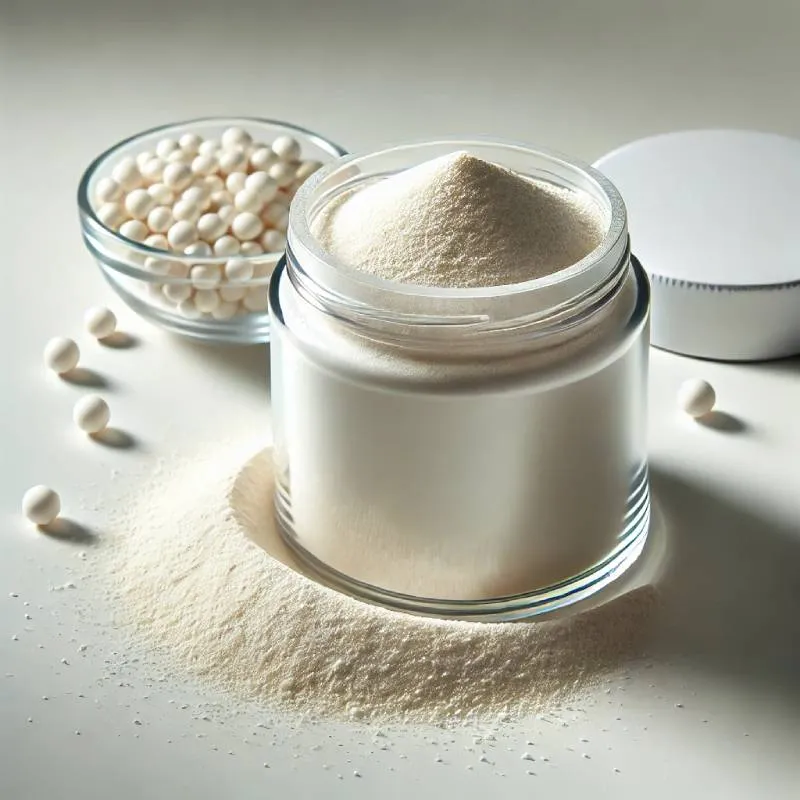
When working with bromelain, temperature control is essential: the enzyme loses activity above 40 degrees Celsius, so it should always be added to the cool phase of a formulation, after the base has cooled down. Typical usage levels in cosmetic formulas range from 0.5 to 3 percent of the total batch weight, depending on the desired intensity of action. The enzyme is sensitive to sharp pH shifts and performs best in a mildly acidic to neutral environment. Store bromelain in a dry, cool place, tightly sealed and protected from moisture and direct light to preserve its activity throughout shelf life. The 10 g packaging is well suited for home-based formulation, small experimental batches, and trial runs before scaling up a recipe for larger production.
Enzyme brightening gel mask
Bromelain - 2 g
Aloe vera gel - 35 ml
Glycerin - 4 ml
Xanthan gum - 1 g
Vitamin E oil - 2 ml
In
a clean bowl, disperse the xanthan gum into the aloe vera gel gradually while
whisking to avoid clumps, then blend in the glycerin and vitamin E oil until
the texture is smooth. Allow the base to sit at room temperature for a few
minutes to confirm it has fully cooled, then fold in the bromelain using a
plastic or silicone spatula, stirring gently rather than whisking vigorously.
Transfer the finished gel into a sealed jar and apply a thin layer to cleansed
skin, leaving it on for 7 to 8 minutes before rinsing with lukewarm water. Keep
the finished mask refrigerated and use within one week for the best enzymatic
performance.