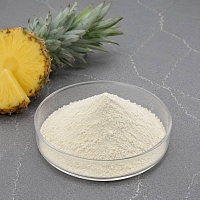
Pineapple Enzyme as a Working Tool for Food and Cosmetic Technology
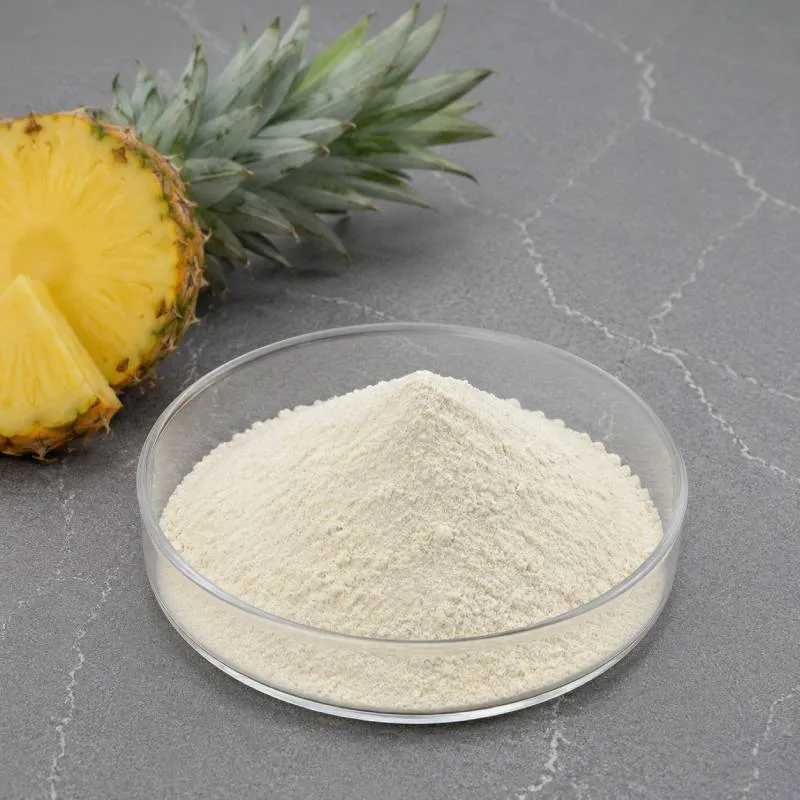
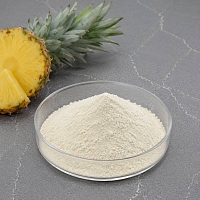
Bromelain is a plant-derived proteolytic enzyme obtained from pineapple stems and fruit. It belongs to the category of Enzymes, Filtrates, and Lysates, which brings together active biocatalysts used across cosmetic, food, and pharmaceutical manufacturing. Its core property is the ability to break down protein molecules, which makes it valuable in production chains ranging from meat processing plants to skincare development labs.
The largest global application of bromelain is in the food industry, where it is used for meat tenderizing, beer and juice clarification, and accelerating fermentation processes, as well as a component in functional food supplements that support protein digestion. In pharmaceutical manufacturing, bromelain-based enzyme complexes are produced to support digestion and post-exertion recovery. In textile and leather processing, the enzyme is applied for gentle treatment of silk fibers and pre-tanning preparation of hides.
In the cosmetic industry, bromelain is valued as a gentle enzymatic exfoliant that dissolves dead cells of the stratum corneum without mechanical friction, leaving skin smoother and more refreshed. It is added to peeling gels, facial masks, brightening formulas, and blemish-prone skin treatments. Bromelain performs particularly well in antioxidant and recovery formulations, often paired with ACB Olive Leaf Extract PF to reinforce protective effects, and with Superoxide Dismutase Powder SOD when extra antioxidant support is needed for skin renewed after enzymatic action. To soften and restore barrier function after exfoliation, formulators often include Bonicel, especially in formulas designed for dry and sensitive skin on hands and face.
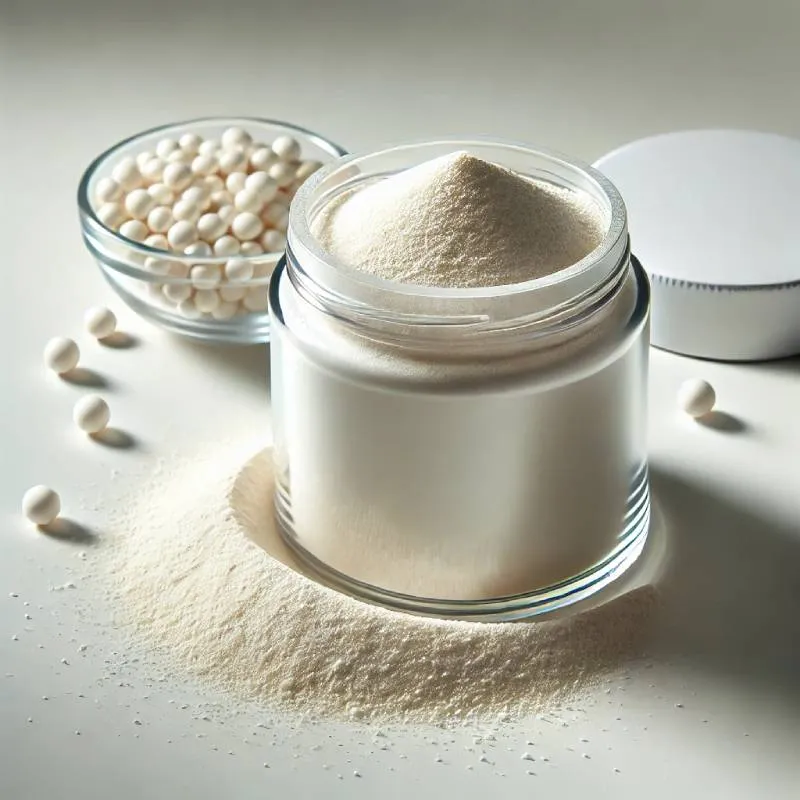
Bromelain is heat-sensitive and should be added at the final stage of production, in the cool phase, at temperatures not exceeding 40-45 degrees Celsius, to preserve its catalytic activity. Recommended dosage in cosmetic emulsions and gels ranges from 0.5 to 2 percent of total formula weight, while dosage in food processing applications depends on the specific technological task and is determined by the production technologist. The powder should be stored in an airtight container, in a dry, cool place away from direct sunlight, as moisture significantly reduces enzyme activity over time.
The 1 kg packaging is designed for studio and industrial-scale production — this volume is sufficient for regular output of enzymatic peels, creams, and functional additives, as well as for laboratories testing formulas before scaling up to a conveyor production line. Stable enzyme activity under proper storage conditions makes this packaging convenient for recurring purchases without quality loss between batches.
Professional Enzymatic Peeling Cream
Bromelain 8 g
Distilled water 60 ml
Glycerin 15 ml
Vegetable emulsifier 20 g
Grapeseed oil 25 ml
Broad-spectrum preservative 3 ml
Dissolve glycerin in the water phase, then heat it together with the emulsifier and grapeseed oil to 70 degrees Celsius until uniform. Cool the mixture to 40 degrees, then add bromelain and preservative, mixing thoroughly until a smooth cream texture forms. Package the finished product in opaque containers and store in a cool place.