-
 Absolutes
-
 Active Complexes
-
 Actives & Peptides
-
 Amino Acids & Proteins
-
 Food Flavors
-
 Ayurvedic Ingredients & Herbs
-
 Vitamins & Coenzymes
-
 Chocolate Making Supplies
-
 Thickeners & Gelling Agents
-
 Hydrosols & Floral Waters
-
 Hydrolyzed Proteins
-
 Fragrance Ingredients
-
 Nutraceutical Ingredients
-
 Acids, Salts, Alcohols & Alkalis
-
 Preservatives & Antioxidants
-
 Cosmetic Ingredients
-
 Colorants, Micas & Glitters
-
 Masks, Scrubs & Botanicals
-
 Oils & Butters
-
 Candle Making Supplies
-
 Melt and Pour Soap Bases
-
 Cream, Lotion & Hair Care Bases
-
 Fragrance Oils & Industrial Aromatics
-
 Cleansing Agents & Surfactants
-
 Peeling Actives & Acids
-
 Cosmetic Powders
-
 Solvents & Humectants
-
 Silicones & Conditioning Agents
-
 Bottles, Jars & Vials
-
 Silicone & Plastic Molds, Tools
-
 Botanical Extracts
-
 Cosmetic Emollients
-
 Emulsifiers
-
 Essential Oils
- Cream Jars Wholesale 463
- Bottles for cosmetics, dispensers wholesale 1470
- Laboratory glassware wholesale 10
- Measuring Equipment Wholesale 12
- Cosmetic Containers Wholesale 1484
- Plastic containers wholesale 16
- Perfume testers wholesale 20
- Glass bottles and jars Wholesale 395
- Perfume Packaging Wholesale 517
- Diffuser bottles and reeds wholesale 25
- Metal perfume atomizers Wholesale 10


Bottles for cosmetics, dispensers wholesale

 Add to cart


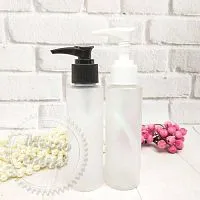
Packaging formats for creams, serums, and liquid formulations
This section covers empty bottles and dispensing closures used to package liquid and semi-liquid cosmetic products, including pump bottles, spray bottles, dropper bottles, and airless containers in a range of volumes and neck sizes. Materials span PET, HDPE, PP, glass, and aluminum, giving formulators options for both budget lines and premium finished products. Closures include lotion pumps, fine-mist sprayers, treatment droppers, flip-top caps, and disc-top caps, each suited to a different viscosity and use pattern.
These containers work across a wide range of formulations rather than a single product type. A lightweight lotion pump bottle suits body lotion or conditioner, while a small glass bottle with a dropper cap is built for facial serums, oils, and concentrated actives that need controlled, drop-by-drop dosing. Fine-mist sprayers are common for toners, setting sprays, and hair mists, and airless pump systems protect oxygen-sensitive actives in anti-aging serums and vitamin C formulas. For batching and testing new formulas before packaging into retail bottles, many labs also keep a stock of laboratory glassware on hand alongside dispensing containers.
Bottle neck sizes and thread types (18/410, 20/410, 24/410, and others) determine which pumps or caps are interchangeable, so matching neck finish to closure is one of the first things to check when planning a packaging line. For thicker creams and balms rather than pourable liquids, a jar format is usually the better fit, and buyers comparing both formats often look through cream jars before finalizing an order.
Bottle shapes and closure styles
Within this category, the main differences come down to shape, closure mechanism, and neck finish rather than material alone. A flip top transparent bottle is built for quick, one-handed dispensing of gels and lotions, while small brush-cap formats such as the Gloria bottle with a brush or the oval bottle with a brush for varnish are designed for products applied in a thin, controlled layer rather than poured out.
Spray and pump formats serve a different purpose again. An Ella bottle 200 ml alum spray suits toners, setting mists, and lightweight leave-in formulas, whereas a dispenser format like the Ella bottle 100 ml with aluminum soap dispenser is meant for liquid soap, hand cleansers, and similar wash-off products dosed a pump at a time. Aluminum caps, seen on options such as the transparent bottle 100 ml with aluminum cap or the Gloria bottle 150 ml transparent with aluminum cap, give a firmer seal for oils and alcohol-based liquids compared to plain snap caps.
Matching a bottle to the formula and the finish line
Choosing between these options starts with viscosity and how the product is meant to be applied. Thin, pourable liquids and low-viscosity serums move easily through a brush cap or dropper style, while creams and thicker lotions are better served by a pump or a wide flip top opening that will not clog. Volume matters too, and buyers testing a new formula often start with a smaller run, such as the aluminum jar 15 ml or the Olympus bottle for varnish 15 ml, before scaling up to larger case counts once the recipe is finalized.
Batch size is worth planning for, since several of these bottles are listed in more than one pack size, from ten pieces up to several hundred, letting a lab match packaging quantity to actual production volume without overbuying. It also helps to check compatibility with the rest of the packaging line: teams weighing bottles against wider dispensing options often review the Cosmetic Containers Wholesale range, and formulators measuring out liquids before filling frequently keep Measuring Equipment Wholesale nearby for consistent batch sizing.
Materials, origin, and storage
Bottles in this range come from Poland and China, giving formulators a mix of European and Asian sourcing depending on the material and finish required. Plastic bottles such as the Gloria bottle 100 ml white with aluminum cap or the transparent bottle 100 ml with aluminum cap are lightweight and cost-effective for larger production runs, while aluminum-capped and glass-adjacent formats add a firmer barrier for oil-based and alcohol-containing liquids.
Empty bottles should be stored in their original boxes, away from direct sunlight and temperature swings, to keep plastic from warping and caps from losing their seal before filling. This matters most for smaller dropper and brush-cap formats like the oval bottle with a brush for varnish 8 ml, where a loose cap can let the liquid dry out before it ever reaches a customer.
FAQ
What is the difference between airless pump bottles and regular lotion pump bottles?
Airless bottles use a vacuum piston to draw product upward without letting air enter the container, which protects oxygen-sensitive actives like vitamin C or retinol. Regular lotion pumps use a dip tube and allow air back in, which works fine for stable formulas but shortens shelf life for reactive ingredients.
Which bottle material is best for essential oils and concentrated actives?
Glass is generally preferred for essential oils, fragrance oils, and highly concentrated actives because it does not absorb oils or react with strong solvents the way some plastics can. Amber or cobalt glass also blocks light, which helps preserve light-sensitive ingredients over time.
What neck size do I need for a pump or spray closure to fit properly?
Closures are matched to bottles by neck finish, commonly written as measurements like 18/410 or 24/410, referring to the neck diameter and thread type. Always confirm the neck finish matches between the bottle and the pump, sprayer, or cap before ordering both separately.
Can PET bottles be used for oil-based serums and formulations?
PET handles water-based and lightly oiled formulations well, but high-oil-content serums and pure carrier oils are better suited to PP, glass, or HDPE, since PET can degrade or become brittle with prolonged contact with certain oils and essential oil blends.
How should empty cosmetic bottles and closures be stored before filling?
Keep bottles and pumps in their original packaging, away from direct sunlight, moisture, and temperature swings, until ready for filling. Dust and humidity can affect closure seals and pump function, so a dry storage area is recommended for both short-term and bulk inventory.
Do dropper bottles work for thicker serums or only thin liquids?
Standard glass droppers are designed for thin to medium-viscosity liquids and controlled drop dosing, so very thick serums or gels may not draw properly into the bulb. For thicker formulations, a treatment pump or disc-top cap on a wider-mouth bottle is usually a better match.
Recommendations
Choosing the right container starts with your formula, not the other way around. Match viscosity to closure type first: thin liquids and toners pair well with fine-mist sprayers, thicker lotions need a sturdy pump, and concentrated actives usually call for a dropper or airless system. Check neck finish compatibility between bottle and closure before ordering them separately, and consider glass or HDPE for oil-heavy formulas where PET may not hold up over time. If you are testing a new formulation, ordering a small mixed batch of sizes and closure types before committing to a larger volume can save rework later. Our team can help you compare options across materials and volumes by email, so send us your formulation details and intended fill volume and we will suggest suitable container and closure combinations for your production run.