-
 Absolutes
-
 Active Complexes
-
 Actives & Peptides
-
 Amino Acids & Proteins
-
 Food Flavors
-
 Ayurvedic Ingredients & Herbs
-
 Vitamins & Coenzymes
-
 Chocolate Making Supplies
-
 Thickeners & Gelling Agents
-
 Hydrosols & Floral Waters
-
 Hydrolyzed Proteins
-
 Fragrance Ingredients
-
 Nutraceutical Ingredients
-
 Acids, Salts, Alcohols & Alkalis
-
 Preservatives & Antioxidants
-
 Cosmetic Ingredients
-
 Colorants, Micas & Glitters
-
 Masks, Scrubs & Botanicals
-
 Oils & Butters
-
 Candle Making Supplies
-
 Melt and Pour Soap Bases
-
 Cream, Lotion & Hair Care Bases
-
 Fragrance Oils & Industrial Aromatics
-
 Cleansing Agents & Surfactants
-
 Peeling Actives & Acids
-
 Cosmetic Powders
-
 Solvents & Humectants
-
 Silicones & Conditioning Agents
-
 Bottles, Jars & Vials
-
 Silicone & Plastic Molds, Tools
-
 Botanical Extracts
-
 Cosmetic Emollients
-
 Emulsifiers
-
 Essential Oils
- Absolutes 55
- Active Complexes 265
- Actives & Peptides 4839
- Amino Acids & Proteins 71
- Food Flavors 2097
- Ayurvedic Ingredients & Herbs 220
- Vitamins & Coenzymes 108
- Chocolate Making Supplies 109
- Thickeners & Gelling Agents 101
- Hydrosols & Floral Waters 139
- Hydrolyzed Proteins 87
- Fragrance Ingredients 44
- Nutraceutical Ingredients 797
- Acids, Salts, Alcohols & Alkalis 112
- Preservatives & Antioxidants 132
- Cosmetic Ingredients 8491
- Colorants, Micas & Glitters 1423
- Masks, Scrubs & Botanicals 1259
- Oils & Butters 1711
- Candle Making Supplies 542
- Melt and Pour Soap Bases 341
- Cream, Lotion & Hair Care Bases 89
- Fragrance Oils & Industrial Aromatics 6527
- Cleansing Agents & Surfactants 140
- Peeling Actives & Acids 57
- Cosmetic Powders 325
- Solvents & Humectants 37
- Silicones & Conditioning Agents 91
- Bottles, Jars & Vials 3927
- Silicone & Plastic Molds, Tools 6076
- Botanical Extracts 3614
- Cosmetic Emollients 108
- Emulsifiers 304
- Essential Oils 606


Cream, Lotion & Hair Care Bases
 Add to cart

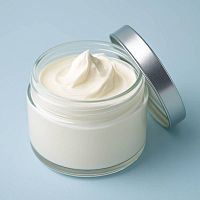
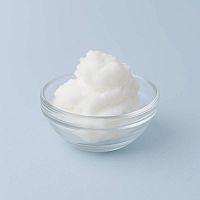
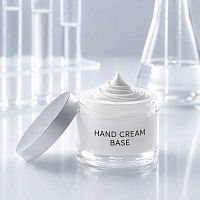
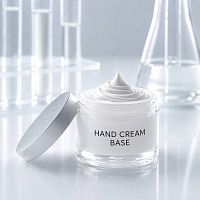
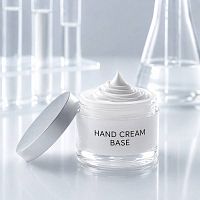
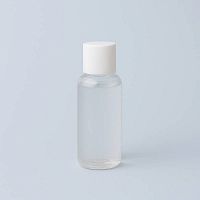
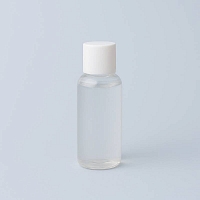
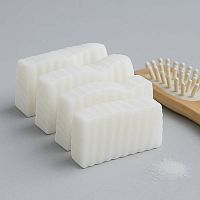
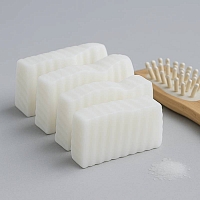
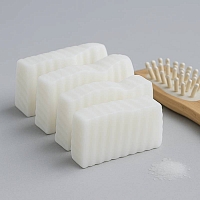
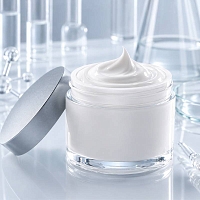
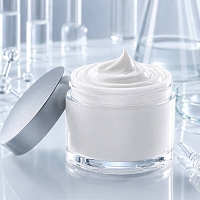
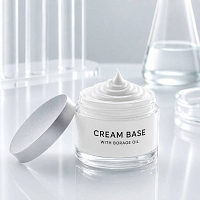
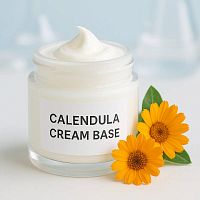
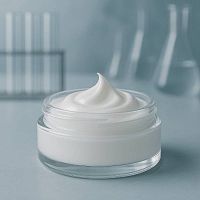
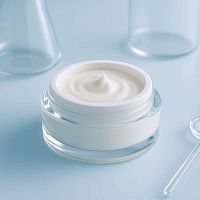
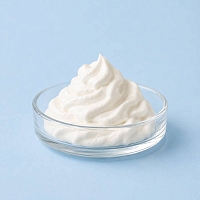
Ready foundations for custom formulations
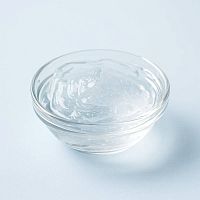
This section brings together base formulations used as the starting point for creams, serums, shampoos and lotions. Instead of building a texture from individual emulsifiers, oils and thickeners, a manufacturer takes an already balanced foundation and enriches it with actives, extracts or fragrance to reach the finished product faster and with more consistent results.
These bases suit both small workshops finishing a handful of jars a week and production lines running larger batches, since the starting texture stays stable while only the active layer changes between formulas. A neutral cream base can turn into a night cream, a barrier balm or a light day fluid depending on what gets added, and the same logic applies to serum and shampoo foundations. For color or shimmer effects layered on top of a finished formula, the dyes, pearlescents and glitters section is a natural next step, and dried botanicals from face masks, scrubs and dried flowers pair well with mask and scrub bases built on the same principle.
Base textures and how they differ
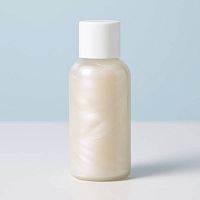
Within this group, the main split is by target texture rather than by a single skincare category. A cream base behaves differently from a lotion base, and both differ again from a toner or shampoo foundation, because viscosity and water content are tuned for different applications. The Organic Shampoo Base 100 ml is built as a mild cleansing foundation meant to carry surfactants and conditioning agents, while something like the Facial Toner Base 50 ml is a lightweight, mostly aqueous formula meant for quick absorption rather than film formation on skin.
A separate group covers anhydrous or wax based foundations. The Covalip 94 WP base for balm and lipstick 10 g and its larger counterpart, the Covalip 94 WP base for balm and lipstick 100 g, sit apart from the water based lines because they melt and set rather than emulsify, which makes them suitable for balm sticks, solid lip products and similar anhydrous formats where a cream or lotion base would not hold shape.
Choosing a base and building a formula around it
The main criterion when picking a foundation is the finished texture you need on skin or hair, not just the product category on the label. A thinner, faster absorbing lotion foundation such as the Easy Lotion Base 100 ml works well when the goal is a light daily fluid, while the same formula in larger format, the Easy Lotion Base 1 L or the bulk Easy Lotion Base 10 L, suits production runs of the same texture at larger volumes.
Once a base is chosen, the formulation work shifts to what gets layered into it. Active ingredients, botanical extracts and fragrance oils determine the finished product's positioning far more than the base itself, since the same foundation can become a barrier cream, a soothing lotion or a lightweight fluid depending on this active layer. Anhydrous balm and lipstick bases pair naturally with pigments, waxes and oils rather than water soluble actives, given their melt and set behavior.
Origin and storage
Foundations in this section come from a mix of manufacturing origins, including England, Israel, France, Italy, Ukraine, Belarus, the United States and Germany, so sourcing options vary by texture and format. Most water based and emulsion foundations should be kept sealed, away from direct heat and sunlight, to preserve their stability before actives are added. Wax and anhydrous bases are generally more tolerant of storage conditions but still benefit from a cool, dry space. For packaging and finishing supplies once a formula is filled and ready, the Molds, Packaging, Tools section covers containers and related accessories.
FAQ
What is the difference between a cream base and a serum base
A cream base carries more oils and emulsifiers, giving body and a richer finish once actives are added, while a serum base is lighter and thinner, built to absorb fast and carry water soluble or lightweight active ingredients without leaving residue on the skin.
Can fragrance and color be added directly to a finished base
Yes, most bases are formulated to accept fragrance oils, extracts and colorants at the cooling stage without breaking the texture, though small trial batches are recommended first since concentration and mixing order can affect stability and final appearance.
How should these bases be stored before use
Keep containers sealed, away from direct sunlight and heat sources, at a stable room temperature, and use within the timeframe noted on the packaging once opened, since repeated exposure to air and temperature swings can shorten shelf life and shift texture.
Are these bases suitable for both small batches and larger production runs
Yes, the same texture works at both scales, since the balance of emulsifiers, oils and thickeners stays consistent whether a workshop is finishing a few jars or a production line is running a larger batch with the same formula.
Recommendations
When choosing a base, start from the texture you actually need, a light fluid, a rich night cream or a shampoo foundation, rather than picking by name alone, since small differences in emulsifier ratio change how well actives blend in later. Run a small test batch with your intended additions before committing to a full production run. For quantities, custom blends or questions about a specific batch, reach out by email and our team will help match the right base to your formulation.