-
 Absolutes
-
 Active Complexes
-
 Actives & Peptides
-
 Amino Acids & Proteins
-
 Food Flavors
-
 Ayurvedic Ingredients & Herbs
-
 Vitamins & Coenzymes
-
 Chocolate Making Supplies
-
 Thickeners & Gelling Agents
-
 Hydrosols & Floral Waters
-
 Hydrolyzed Proteins
-
 Fragrance Ingredients
-
 Nutraceutical Ingredients
-
 Acids, Salts, Alcohols & Alkalis
-
 Preservatives & Antioxidants
-
 Cosmetic Ingredients
-
 Colorants, Micas & Glitters
-
 Masks, Scrubs & Botanicals
-
 Oils & Butters
-
 Candle Making Supplies
-
 Melt and Pour Soap Bases
-
 Cream, Lotion & Hair Care Bases
-
 Fragrance Oils & Industrial Aromatics
-
 Cleansing Agents & Surfactants
-
 Peeling Actives & Acids
-
 Cosmetic Powders
-
 Solvents & Humectants
-
 Silicones & Conditioning Agents
-
 Bottles, Jars & Vials
-
 Silicone & Plastic Molds, Tools
-
 Botanical Extracts
-
 Cosmetic Emollients
-
 Emulsifiers
-
 Essential Oils
- Forbury Direct Soap Base Wholesale 8
- Stephenson Soap Base Wholesale 31
- Soap Base from England Wholesale 46
- Soap Base Belarus Wholesale 25
- Soap Base Germany Wholesale 6
- Israeli Soap Bases Wholesale 11
- Italian Soap Base Wholesale 5
- Soap base bulk supply 10
- Soap Base Ukrainian Wholesale 20
- Soap Base France Wholesale 14
- Bases for Shampoo, Cream, and Balm Wholesale 63
Soap Base France Wholesale

 Add to cart





Why French melt and pour base stands out in recipe work
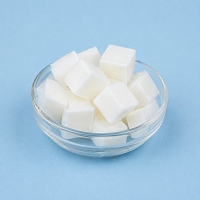
This section covers melt and pour soap base sourced from French manufacturers, sold in bulk blocks for producers who make finished bars, guest soaps, and layered novelty pieces. The base arrives in solid slab form and is remelted at low, controlled temperature before it goes into molds. Buyers here are typically stocking up for a production run rather than a single batch.
French base is commonly chosen for its transparency and its stable texture once cooled, which matters when a recipe calls for visible inclusions such as dried botanicals, mica swirls, or layered color. Producers working across several origins often compare it directly against soap base from England for hardness, or against soap base from Belarus for pricing on larger orders, before settling on a primary supplier for the season.
Beyond classic clear and white bars, this base type is used for shea enriched formulas, goat milk blends, and bases meant to carry higher percentages of oils without becoming greasy to the touch. Small workshops and larger production lines both draw from the same stock, just in different order volumes.
Formulations and finish types within the French range
Not every block in this category behaves the same way once melted. Clear glycerin bases are chosen when a recipe needs light to pass through the bar, showing off embedded botanicals or layered pours. Opaque white bases give a denser, more solid finish and are often the starting point for adding clays, pigments, or exfoliating particles without worrying about cloudiness.
Enriched versions widen the range further. A goat milk formula, such as the Soap base Specif Tempo Goat Milk, 20 kg, is built for a softer, creamier bar feel, while a shea butter version like the Soap base Specif Tempo Shea Butter, 20 kg carries more conditioning fat into the finished piece. For producers who want a neutral canvas that takes color and fragrance predictably, the Specif Tempo Pure TO Base, 20 kg works as a middle ground between clarity and workability, and the Soap base Specif Tempo White Base, 20 kg covers the classic dense white option.
Choosing a base and pairing it with other formulation components
Selection usually comes down to three practical questions: how much oil enrichment the recipe already carries, whether the piece needs to stay transparent, and how the base will hold pigments or mica once poured. A base with higher glycerin content tends to sweat less in humid storage, which matters for producers shipping finished bars over longer distances.
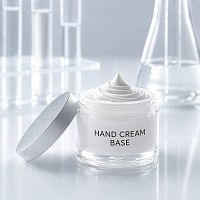
These blocks are frequently paired with other production bases rather than used alone. Some workshops mix a French block with a firmer option, like a Soap Base Germany Wholesale line, to adjust hardness for molds with fine detail. Others compare it against a Stephenson Soap Base Wholesale stock when a batch needs a specific lather profile. Beyond bar production, the same shelf often supplies emulsion work, where a Cream Base 1 kg or the Cospem 704 Cream Base 1 kg serves as the starting point for a cream rather than a bar, which is useful for producers running mixed product lines side by side.
Origin, storage, and handling for production runs
The blocks in this line are sourced from France and arrive as solid slabs meant for remelting rather than direct use. Producers keep them wrapped and away from direct heat or moisture between batches, since surface condensation can affect how evenly color and fragrance disperse during the next melt.
Because orders here are usually sized for a full production run, planning ahead for remelt scheduling and mold turnaround helps keep a line moving without gaps between one finished batch and the next.
FAQ
How do you melt French soap base without scorching it?
Cut the block into small, even cubes and melt in short bursts at low heat, either in a double boiler or microwave, stirring between intervals. Uneven or overheated melting causes cloudiness, air bubbles, and a weaker final texture, so gentle and gradual heating gives the cleanest result.
What is the difference between clear and white melt and pour base?
Clear base is fully transparent and shows any embeds, layers, or mica swirls added inside the bar, while white base is opacified and gives a smooth, uniform surface. Producers pick clear for novelty and layered designs, and white when the finished bar needs an even, solid appearance.
Can this base handle added oils and butters without turning soft?
Yes, within limits. French base is formulated to accept extra shea, cocoa butter, or carrier oils while keeping a firm bar, but overloading beyond the recommended ratio can leave the surface greasy or shorten shelf stability. Testing a small batch first helps confirm the right proportion.
How should blocks of soap base be stored before use?
Keep blocks wrapped and stored in a cool, dry place away from direct sunlight and humidity, which can cause sweating on the surface. Properly stored base stays workable for an extended period, so buying in bulk for a production run does not compromise quality.
Recommendations
When selecting a batch of French melt and pour base, match the type to your recipe first: clear for layered or embed designs, white or shea enriched for solid finished bars. For larger production runs, order enough from a single batch to keep texture and melting behavior consistent across the whole run. Reach out by email with your volume and intended formulation, and we will help confirm the right base for your workshop or production line.



