-
 Absolutes
-
 Active Complexes
-
 Actives & Peptides
-
 Amino Acids & Proteins
-
 Food Flavors
-
 Ayurvedic Ingredients & Herbs
-
 Vitamins & Coenzymes
-
 Chocolate Making Supplies
-
 Thickeners & Gelling Agents
-
 Hydrosols & Floral Waters
-
 Hydrolyzed Proteins
-
 Fragrance Ingredients
-
 Nutraceutical Ingredients
-
 Acids, Salts, Alcohols & Alkalis
-
 Preservatives & Antioxidants
-
 Cosmetic Ingredients
-
 Colorants, Micas & Glitters
-
 Masks, Scrubs & Botanicals
-
 Oils & Butters
-
 Candle Making Supplies
-
 Melt and Pour Soap Bases
-
 Cream, Lotion & Hair Care Bases
-
 Fragrance Oils & Industrial Aromatics
-
 Cleansing Agents & Surfactants
-
 Peeling Actives & Acids
-
 Cosmetic Powders
-
 Solvents & Humectants
-
 Silicones & Conditioning Agents
-
 Bottles, Jars & Vials
-
 Silicone & Plastic Molds, Tools
-
 Botanical Extracts
-
 Cosmetic Emollients
-
 Emulsifiers
-
 Essential Oils
- Cosmetic Jars 391
- Bottles for cosmetics, dispensers, sprayers 863
- Laboratory glassware 22
- Measuring laboratory 23
- Plastic Packaging 878
- Plastic containers 19
- Perfume testers 36
- Glass Packaging, Bottles, and Jars 276
- Perfume Packaging 339
- Diffuser Bottles & Sticks 24
- Metal perfume atomizers 10
- Wholesale Jars, Bottles and Packaging Containers 2327
- Plastic Containers Large Wholesale 49
Measuring laboratory
 Add to cart


 Subscribe


Precision instruments for accurate batch formulation
The measuring laboratory section brings together beakers, graduated cylinders, scales, pipettes, stirrers and related tools used to weigh, measure and combine raw materials during cosmetic formulation. These items help formulators work with exact proportions of oils, actives, emulsifiers and other ingredients, which is essential for consistent, repeatable batches. The range suits both small home workshops and larger production settings.
Accurate measuring tools matter at every stage of formulation, from calculating water and oil phases for an emulsion to dosing preservatives and active complexes within safe usage rates. Small variations in weight or volume can change how a cream, serum or lotion behaves, so reliable glassware and scales reduce guesswork and waste. Once a batch is mixed, many formulators move straight into cosmetic jars or other packaging containers for storage and testing.
Types of measuring and mixing tools
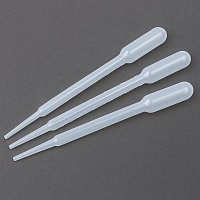
This section covers several distinct categories of equipment. Graduated cylinders and beakers handle liquid volumes, from water phases to carrier oils, while digital scales measure solid and semi-solid ingredients such as emulsifying wax, butters or powdered actives by weight, which is generally more accurate than measuring by volume. Pipettes and droppers are suited to small-dose ingredients like preservatives, fragrance oils or active complexes, where even a fraction of a gram matters.
Stirrers, spatulas and mixing rods complete the set, helping formulators blend phases evenly before a mixture cools or begins to set. Some tools are made of borosilicate glass for heat resistance during hot-process work, while others are plastic or stainless steel, chosen depending on whether the ingredient reacts with the material or needs to withstand repeated sterilization between batches.
Choosing tools and pairing them with your formulation workflow
Selecting the right tool depends mainly on the ingredient being measured and the scale of production. A home-based formulator working with small test batches usually needs a compact scale with fine gradation, a few pipettes and a small set of beakers, while a production workflow benefits from larger graduated cylinders, bulk scales and durable stirrers that hold up under daily use.
These tools are used alongside a wide range of raw materials, oils, emulsifiers, actives, preservatives and colorants, since every formulation step from weighing a phase to adjusting pH depends on consistent measurement. Once ingredients are combined, many formulators check compatibility with laboratory glassware intended for repeated lab use, distinct from single-use measuring items.
Storage, material choice and packaging after formulation
Glassware generally withstands heat and repeated cleaning better than plastic, which matters when working with hot-process emulsions or when tools are reused across many batches. Plastic tools are lighter and often preferred for quick dosing tasks where breakage risk should be minimized.
After a batch is measured, mixed and tested, it typically moves into storage or retail packaging. Depending on the product type, this can mean plastic containers, glass packaging, bottles, and jars, or broader plastic packaging lines for creams and lotions. Formulators working with fragrance concentrates or finished perfume compositions often pair their measuring tools with perfume packaging, metal perfume atomizers or small perfume testers for sampling before a full production run. Larger operations scaling up batch sizes sometimes move toward plastic containers large wholesale once formulations are finalized and consistent across repeated production cycles.
FAQ
What glassware and scales are needed for basic cosmetic formulation at home
A starter kit typically includes a digital scale accurate to 0.01 g, a few beakers in different sizes, a graduated cylinder for liquids and a stirring rod or spatula. This covers weighing oils, actives and preservatives, and mixing small test batches before scaling up.
Why does formulation accuracy matter for creams and serums
Emulsions and active-rich formulas depend on correct ratios between water and oil phases, emulsifiers and actives. Even small measuring errors can affect texture, stability or how an active performs, so consistent tools help each batch turn out the same way.
Can the same beakers and cylinders be reused for different ingredients
Yes, as long as they are thoroughly cleaned between uses to avoid cross-contamination, especially when switching between oils, actives or preservatives with strong concentrations. Many formulators keep separate sets for water-based and oil-based ingredients.
What is the difference between a digital scale and a graduated cylinder in formulation work
A digital scale measures weight, which is more precise for solids, thick actives and small quantities of powders. A graduated cylinder measures liquid volume, which is faster for water phases and larger quantities of oils or hydrosols where slight variance matters less.
Recommendations
Choose measuring tools based on the batch sizes you work with most often, small graduated cylinders and a precise digital scale suit test batches, while larger beakers and stirrers help with bigger production runs. Check the scale of measurements against the quantities in your typical formulas before ordering. For questions about specific items or bulk quantities, reach out by email and our team will help you put together the right set.



