-
 Absolutes
-
 Active Complexes
-
 Actives & Peptides
-
 Amino Acids & Proteins
-
 Food Flavors
-
 Ayurvedic Ingredients & Herbs
-
 Vitamins & Coenzymes
-
 Chocolate Making Supplies
-
 Thickeners & Gelling Agents
-
 Hydrosols & Floral Waters
-
 Hydrolyzed Proteins
-
 Fragrance Ingredients
-
 Nutraceutical Ingredients
-
 Acids, Salts, Alcohols & Alkalis
-
 Preservatives & Antioxidants
-
 Cosmetic Ingredients
-
 Colorants, Micas & Glitters
-
 Masks, Scrubs & Botanicals
-
 Oils & Butters
-
 Candle Making Supplies
-
 Melt and Pour Soap Bases
-
 Cream, Lotion & Hair Care Bases
-
 Fragrance Oils & Industrial Aromatics
-
 Cleansing Agents & Surfactants
-
 Peeling Actives & Acids
-
 Cosmetic Powders
-
 Solvents & Humectants
-
 Silicones & Conditioning Agents
-
 Bottles, Jars & Vials
-
 Silicone & Plastic Molds, Tools
-
 Botanical Extracts
-
 Cosmetic Emollients
-
 Emulsifiers
-
 Essential Oils
- Absolutes Wholesale 87
- Active Complexes for Cosmetics Wholesale 388
- Amino Acids & Proteins Wholesale 90
- Antioxidants Wholesale 293
- Ayurvedic Powders Wholesale 273
- Biocides Wholesale 16
- Thickeners and Gelling Agents in Bulk 112
- Bulk Hydrosols for Cosmetics 10
- Hydrocolloids in Bulk 5
- Hydrolyzed Proteins Wholesale 106
- Aromatic Fragrant Waters Wholesale 27
- Fragrance Ingredients Bulk 168
- Preservatives & Antioxidants Wholesale 157
- Corneotherapy Wholesale 10
- Cosmetic Clay Wholesale 14
- Neutralizers/pH Correctors Wholesale 17
- Surfactants Wholesale 144
- Cosmetic Peelings Wholesale 77
- Cosmetic Powders Wholesale 403
- Silicones and Conditioning Surfactants for Hair Wholesale 116
- Resins and Resinoids Wholesale 17
- UV and SPF Filters Wholesale 84
- Cosmetic Emollients Wholesale 132
- Emulsifiers Wholesale 328
- Enzymes, Filtrates and Lysates in Bulk 35


Hydrocolloids in Bulk
 Add to cart



 Subscribe
Texture builders for creams gels and serums
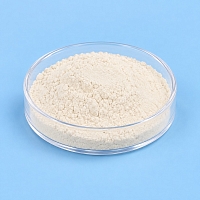
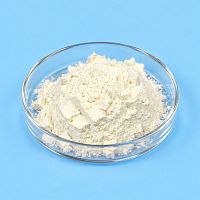
This range covers hydrocolloid thickeners and gelling agents supplied as raw powders for formulators, including xanthan gum, guar gum, carrageenan, konjac, and similar polysaccharide types. They are sold in bulk quantities intended for repeated batch production rather than single small trials.
Formulators use these powders to build viscosity in lotions, stabilize emulsions against separation, form gels for masks and serums, and control the flow of a product as it leaves its packaging. The same base material can behave as a light thickener at low concentration or set into a firm gel at higher dosage, which is why hydration behavior and shear sensitivity matter more than the label name alone. Some types pair naturally with humectant systems, while others are chosen specifically for their clarity in transparent gel bases. For preparations that also need extended shelf stability, hydrocolloid-thickened bases are frequently paired with ingredients from Preservatives and Antioxidants Wholesale, since higher water content in a gel changes how a formula needs to be protected.
Types of thickening and gelling powders
Not all hydrocolloid powders behave the same way once hydrated. Some disperse quickly into a smooth mucilage at low shear, which suits cold-process lotions where minimal mixing equipment is available. Others need heat and prolonged stirring to fully hydrate, but reward that extra step with a firmer, more elastic gel network suited to standalone gel masks. Carrageenan types are valued for setting into a semi-rigid structure, konjac-derived powders can create a distinctive soft-set texture, and guar-based thickeners tend to build viscosity fast without needing heat at all. Clarity is another differentiator: some powders remain slightly cloudy no matter how well they are dissolved, while others are picked specifically because they stay optically clear even in a finished transparent gel.
Particle size and dispersibility also separate one batch from another. A finer, more uniform powder tends to hydrate with fewer lumps and is easier to dose accurately in small-batch production, while coarser grades may need pre-dispersion in glycerin or another carrier before being added to the water phase.
Choosing a thickener and building a compatible formula
Selection usually starts with the target texture rather than the ingredient name alone: a light, pourable lotion calls for a different dosage and possibly a different powder than a firm, spoonable gel mask. Formulators also weigh electrolyte tolerance, since some hydrocolloids lose viscosity in the presence of salts or acids commonly found alongside actives, while others hold their structure regardless. Shear stability matters too, particularly for products dispensed through a pump, where a gel that looks perfect in a jar can thin out unpredictably once it passes through a nozzle.
These powders rarely work alone in a finished formula. They are frequently paired with materials from Emulsifiers Wholesale to stabilize an emulsion while the hydrocolloid controls flow, and with Surfactants Wholesale in rinse-off gel formats where foam and viscosity both need to be balanced. In mineral-rich mask formulas, thickeners are often combined with Cosmetic Clay Wholesale, which brings its own texture and absorbency to the base. Sun care and daily protective emulsions built around UV and SPF Filters Wholesale also depend on a reliable thickening system to keep filters evenly suspended rather than settling out.
Serums built around active ingredients gain extra functional depth when a gelling powder is combined with Active Complexes for Cosmetics Wholesale or with Hydrolyzed Proteins Wholesale, since the gel network can help carry these actives evenly through the base instead of letting them settle. In hair care, some of these thickeners also show up in conditioning formulas alongside Silicones and Conditioning Surfactants for Hair Wholesale, where a controlled viscosity helps the product stay on strands rather than running off. For dry-blend formulations and powdered cosmetic bases, these gelling agents are sometimes dosed alongside materials from Powders and Flours Wholesale before the water phase is introduced.
Storage and handling
These powders are moisture-sensitive by nature, since their entire function depends on how they absorb water. Keeping containers tightly sealed between uses and storing them away from humidity and direct heat prevents premature clumping and preserves consistent hydration behavior from batch to batch. Because dosage is often measured in small percentages of a formula, working with a well-calibrated scale and dry utensils each time helps avoid the kind of variability that shows up later as an inconsistent gel set.
FAQ
What is the difference between xanthan gum and guar gum in cosmetic formulas
Xanthan gum gives strong shear-thinning flow and works well in clear or electrolyte-heavy formulas, while guar gum builds softer viscosity and is often chosen for milder, less pseudoplastic textures in lotions and conditioners.
How much hydrocolloid powder is needed to thicken a lotion or gel
Most formulators start at low fractions of a percent for light viscosity and increase gradually toward a few percent for a firm gel, since these powders hydrate strongly and small dosage changes can shift texture significantly.
Can these thickening powders be combined with other gelling ingredients
Yes, many hydrocolloids are blended together or with other gelling agents to balance clarity, elasticity, and stability, since combinations often outperform a single powder used alone in demanding formulas.
How should hydrocolloid thickeners be stored before use
Keep the powder sealed, dry, and away from direct moisture or heat, since these materials absorb humidity easily and premature hydration can cause clumping that slows dispersion during batch preparation.
Recommendations
When choosing a batch of hydrocolloid powder, match the grade to your process: check particle size and dispersion speed for high shear mixing, and confirm clarity if the final gel or serum needs to stay transparent. For larger production runs, request a small test quantity first to confirm hydration behavior in your specific base before committing to a full order. Our team can advise on suitable grades for your formula by email, and orders are typically assembled within three to five business days.



