Why Guar Gum Remains a Key Thickening Agent Across Multiple Industries
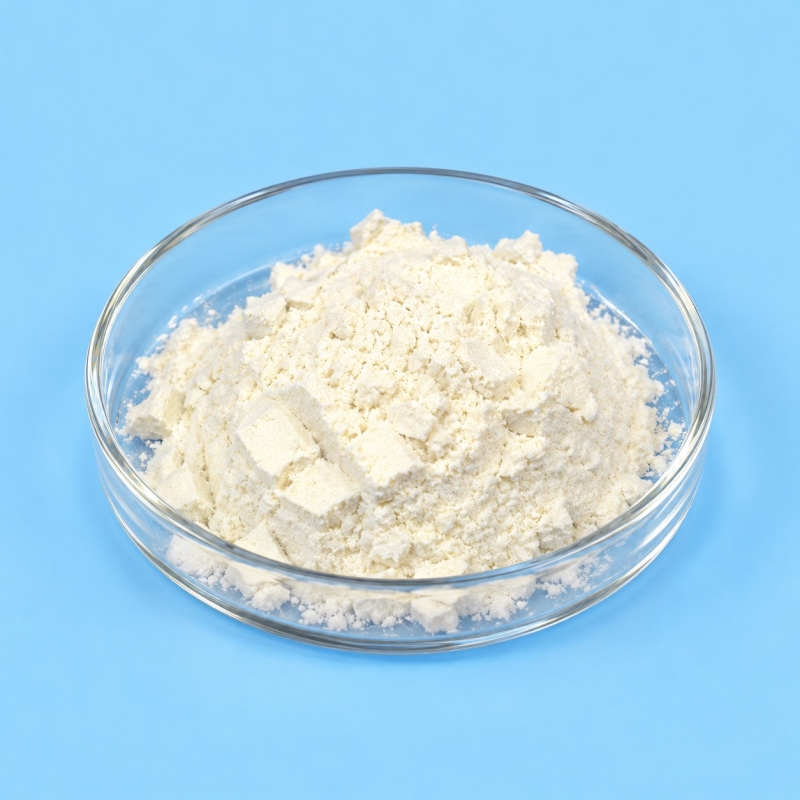
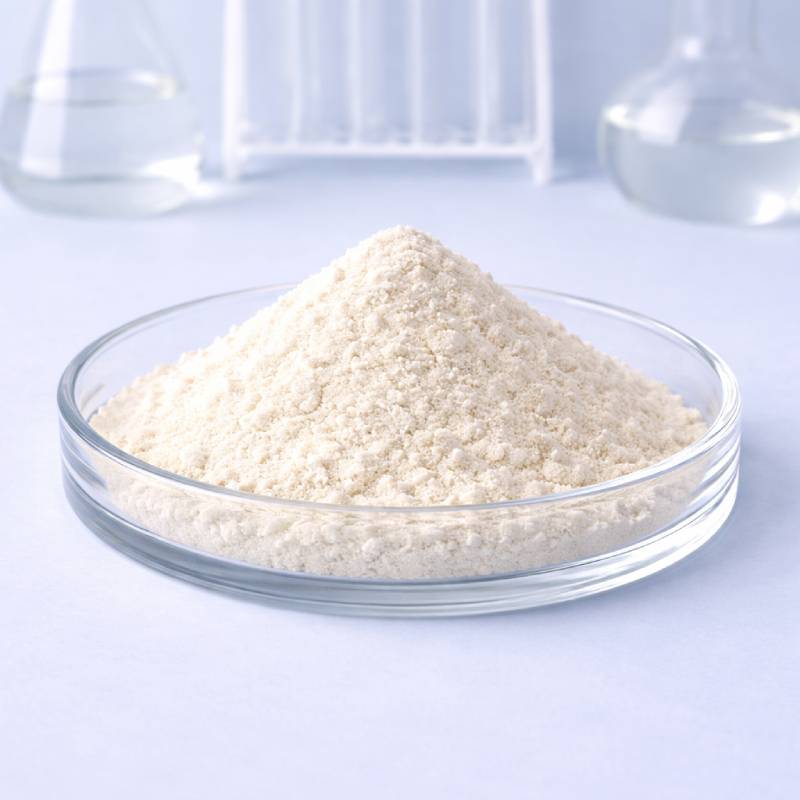
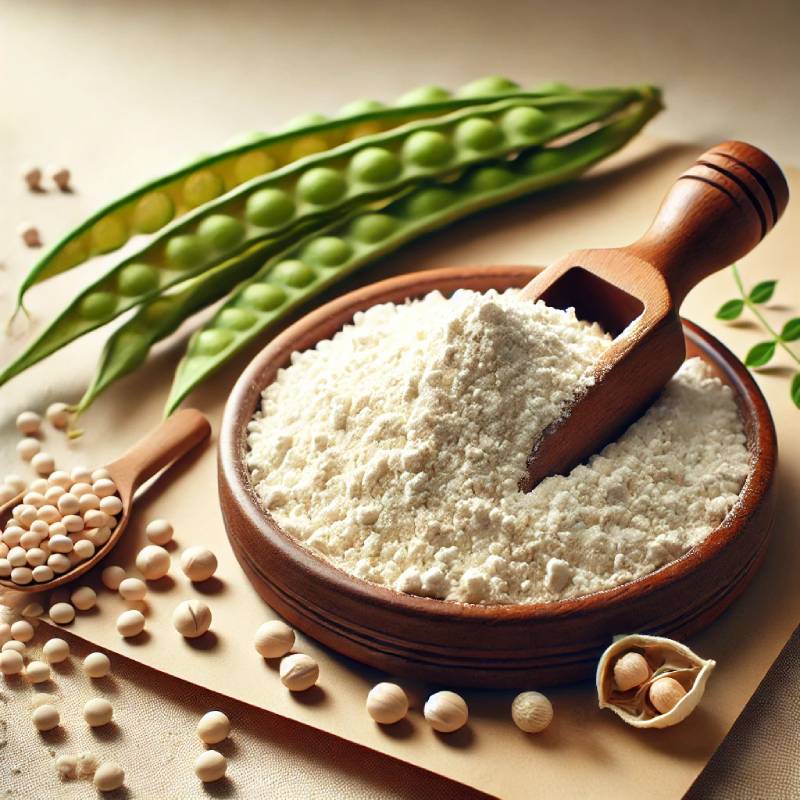
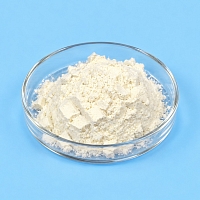
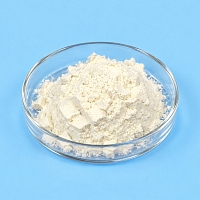
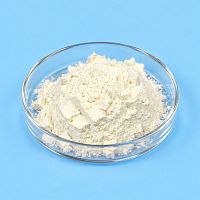
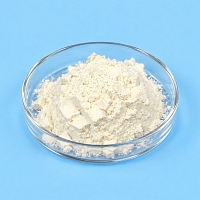
Guar gum is a natural polysaccharide extracted from the seeds of the guar plant, a legume grown mainly in India and Pakistan. This raw material belongs to the Gelling Agents and Thickeners category, though its largest consumption worldwide has little to do with cosmetics. The food industry accounts for a significant share of global demand, using guar gum as a thickener and stabilizer in sauces, ice cream, baked goods, and gluten-free products. The oil and gas sector also relies heavily on it as a component of hydraulic fracturing fluids, while the textile and paper industries use it to thicken dyes and increase paper strength. Pharmaceutical manufacturers add it as a binder in tablets and suspensions.
Within personal care manufacturing, guar gum earns its place thanks to its ability to build thick, stable texture at very low usage levels, typically between 0.2 and 1 percent of the total formula. This small amount is often enough to noticeably thicken a cream, shower gel, shampoo, or toothpaste. Formulators also value the smooth, slightly slippery skin feel guar gum contributes, which makes it a good fit for products aimed at sensitive skin. In shampoos and conditioners, it helps keep silicones and other conditioning agents suspended evenly throughout the product, maintaining consistency from the first use to the last drop of the bottle.
Guar gum is added to the water phase gradually, sprinkled in as a fine stream under constant stirring to prevent clumping. Water temperature between 20 and 50 degrees Celsius works well for dispersion, and full hydration with maximum viscosity typically develops within one to two hours, faster if the mixture is gently warmed. Overdosing should be avoided, since excess gum produces a stringy, unpleasant texture rather than a smooth gel. A common trick among formulators is to pre-mix the powder with glycerin before adding it to water, which reduces clumping and makes the process easier even for small home laboratories.
Guar gum blends well with other thickeners and stabilizers, allowing for flexible formulation strategies. Paired with Solagum AX, it can produce a more stable and pleasant emulsion texture, while combining it with Agar-agar 1100 results in firmer gel structures suitable for decorative and scented compositions. For oil-in-water emulsions, guar gum is often paired with an emulsifier such as Sorbitan Oleate, which handles even distribution of the oil phase.
The 1 kg package size makes this ingredient a practical choice for small cosmetic studios, formulation labs, and small-scale household chemistry producers who need a steady supply for regular batches without frequent reordering. This quantity is large enough to test several formulations in sequence and scale up production once a recipe is finalized.
Store guar gum in a dry room at room temperature, in a tightly sealed container protected from moisture and direct sunlight, since the powder is hygroscopic and can clump when exposed to humid air.
Soothing Shower Gel Base
Distilled water 250 ml
Guar gum 2 g
Glycerin 12 ml
Mild surfactant base 100 ml
Panthenol 5 ml
Fragrance oil 4 ml
Mix the guar gum with glycerin into a smooth paste, then slowly stir it into the water in a thin stream until fully dispersed, letting it sit for about an hour to hydrate completely. Gently warm the surfactant base to around 35 degrees, blend it into the guar gel, add panthenol and fragrance oil, and stir until the mixture reaches a uniform, pourable gel consistency.