Getting Reliable Viscosity From a Small Amount of Plant Powder
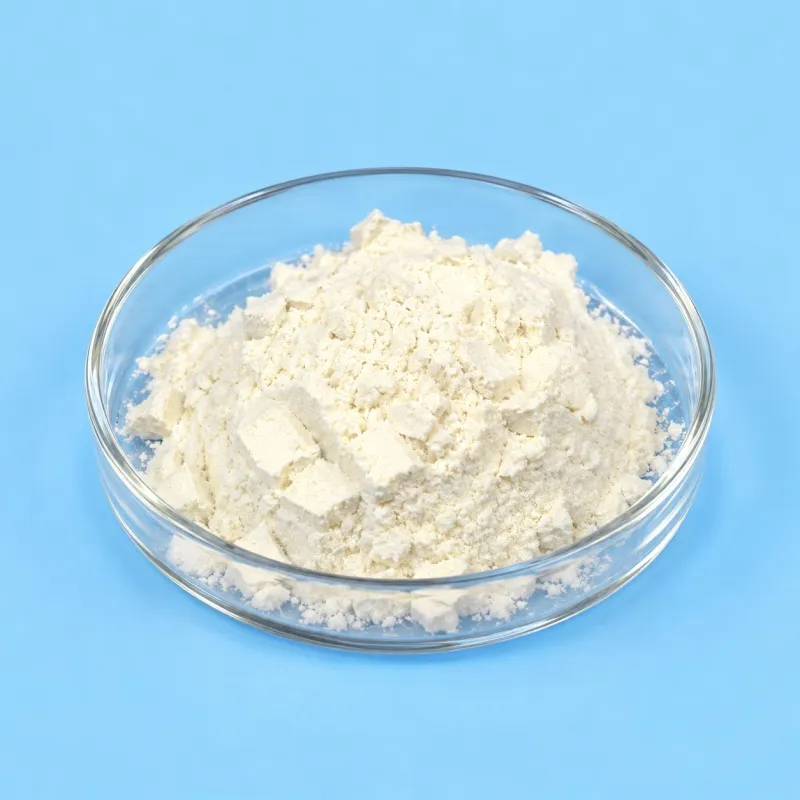
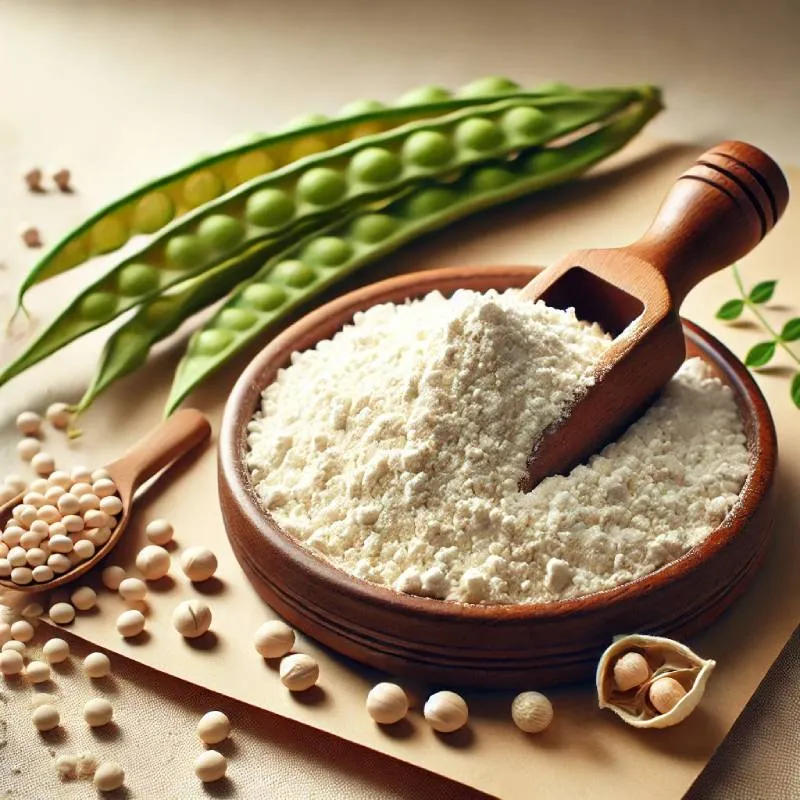
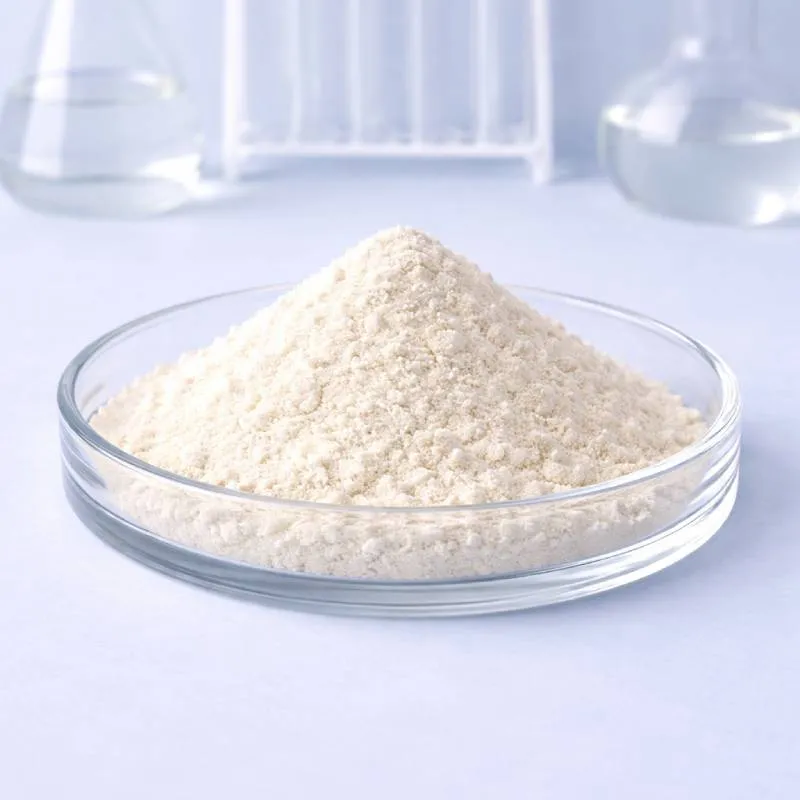
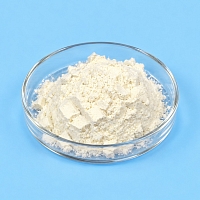
Guar gum is a plant-derived polysaccharide extracted from the seeds of the guar legume, valued across industries for building thick, stable texture at surprisingly low usage rates. It belongs to the Gelling Agents and Thickeners section, which brings together ingredients for controlling viscosity in food, cosmetic and household formulations. The 50 g pack size is well suited for home-based cosmetic making, trial batches and small lab tests, letting formulators check how the thickener behaves before committing to a larger production run.
Globally, the largest volume of guar gum consumption comes from the food industry, where it thickens sauces, salad dressings, dairy desserts and ice cream, and is widely used in gluten-free baking as a partial substitute for gluten to improve dough structure. In pharmaceuticals, it acts as a binder in tablets and suspensions. In personal care, guar gum is found in creams, lotions, shampoos, shower gels and toothpaste, giving products a pleasant body and preventing phase separation. It is also used in the textile, paper and oilfield drilling industries to manage the viscosity of technical fluids, though for small-scale and home production the food and cosmetic applications remain the most practical entry points.
This thickener pairs well with other hydrocolloids, allowing formulators to build more complex and stable textures. It is often combined with Acacia Gum for a softer gel feel, or with Solagum Tara for a clearer, more elastic result without tackiness. To improve the film-forming stability of a finished cosmetic, some formulators add Polyvinylpyrrolidone (PVP) K60, which strengthens the fixing properties of the product.
Typical usage levels range from 0.1 to 1% of the total formula in cosmetics and up to 0.5% in food products - going beyond this range tends to produce an overly stringy or unpleasant texture. The powder is best dispersed in the cold or lukewarm phase, sprinkled gradually into liquid under constant stirring to avoid clumping; full hydration takes about 20-30 minutes at room temperature, and heating above 40-50°C is unnecessary and may actually slow down swelling. Store guar gum in a cool, dry place in an airtight container, since the powder readily absorbs moisture from the air and can lose its free-flowing texture.
Gluten-Free Salad Dressing Base
Water 100 ml
Olive oil 60 ml
Apple cider vinegar 20 ml
Guar gum 0.5 g
Honey or mustard 5 g
Salt to taste
Whisk the guar gum into the water first, making sure it disperses evenly without forming lumps, and let it rest for about 10 minutes to hydrate. In a separate bowl, combine the olive oil, vinegar, honey or mustard, and salt, then slowly whisk in the hydrated guar gum mixture until the dressing thickens to a smooth, pourable consistency. Transfer to a bottle and refrigerate; shake well before each use since natural separation may occur over time.