-
 Absolutes
-
 Active Complexes
-
 Actives & Peptides
-
 Amino Acids & Proteins
-
 Food Flavors
-
 Ayurvedic Ingredients & Herbs
-
 Vitamins & Coenzymes
-
 Chocolate Making Supplies
-
 Thickeners & Gelling Agents
-
 Hydrosols & Floral Waters
-
 Hydrolyzed Proteins
-
 Fragrance Ingredients
-
 Nutraceutical Ingredients
-
 Acids, Salts, Alcohols & Alkalis
-
 Preservatives & Antioxidants
-
 Cosmetic Ingredients
-
 Colorants, Micas & Glitters
-
 Masks, Scrubs & Botanicals
-
 Oils & Butters
-
 Candle Making Supplies
-
 Melt and Pour Soap Bases
-
 Cream, Lotion & Hair Care Bases
-
 Fragrance Oils & Industrial Aromatics
-
 Cleansing Agents & Surfactants
-
 Peeling Actives & Acids
-
 Cosmetic Powders
-
 Solvents & Humectants
-
 Silicones & Conditioning Agents
-
 Bottles, Jars & Vials
-
 Silicone & Plastic Molds, Tools
-
 Botanical Extracts
-
 Cosmetic Emollients
-
 Emulsifiers
-
 Essential Oils
- Fragrance Oils from England 8
- Fragrance Oils Germany 17
- Fragrance Oils for Creams and Lotions 13
- Fragrance Oils Spain 67
- Lori Fragrance Oils (Latvia) 81
- Polish Fragrance Oils 3
- Fragrance Oil US 365
- Ukrainian Fragrance Oils 344
- French Fragrance Oils 170
- Water Soluble Fragrances 30
- Hypoallergenic fragrances 12
- Home Fragrance Collection 4
- Polymer Granules for Sachets 17
- Lipstick Flavors Oils 21
- Toothpaste fragrances 1
- Cold & Hot Process Soap Fragrance Oils 45
- Laundry detergent fragrance oils 16
- Japanese Fragrance Oils 30
- Perfume compositions 957
- Perfume Fragrance Oils 957
- Fragrance Oils Wholesale 4338


Lipstick Flavors Oils
 Add to cart
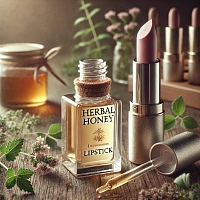

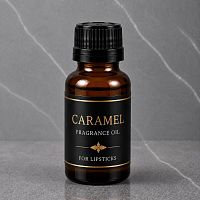

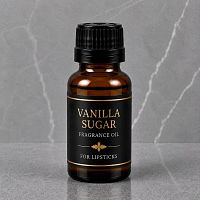
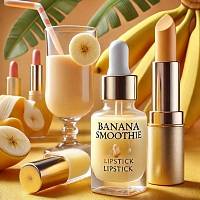

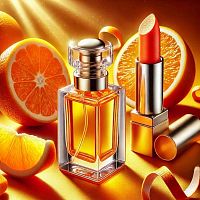

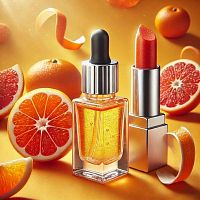
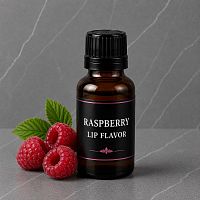
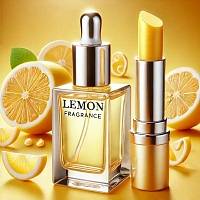
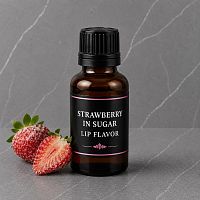

Taste and scent components for lip formulations
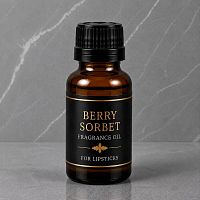
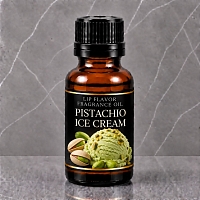
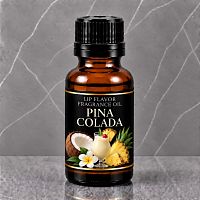
Lipstick flavor oils are concentrated aromatic and taste compounds designed for use in lip balms, glosses, tinted balms, and stick formulations. They give a finished product its characteristic taste and scent profile, something buyers notice the moment they apply the product. This section covers a range of flavor options suited to different formulation styles and target audiences.
These oils are blended into the base at a low percentage during the melting or mixing stage, so they need to be compatible with waxes, butters, and oils typical of lip care recipes. Because taste sits directly on the lips, formulators pay close attention to how a flavor performs alongside sweeteners, colorants, and other functional additives already present in the recipe.
Beyond lip products, some of these same flavor oils find their way into other leave-on formats where a pleasant taste or scent adds value, giving manufacturers flexibility across a broader product line rather than a single application. For a wider range of scent options beyond flavor-specific blends, the Ukrainian Fragrance Oils section offers additional choices, while manufacturers sourcing larger volumes across categories often check the Fragrance Oils Wholesale section for consolidated ordering.
Flavor profiles and how they differ
Within this range, flavor oils fall into a few broad families: fruity and juicy notes like Banana cocktail Fragrance Oil for Lipstick 5 ml and Cherry juice Fragrance Oil for Lipstick, 5 ml, dessert-style notes such as Vanilla Sugar Fragrance Oil for Lipstick 5 ml and Caramel Fragrance Oil for Lipstick, 5 ml, and novelty or beverage-inspired notes like Coca-Cola Fragrance Oil for Lipstick, 5 ml.
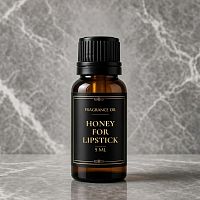
A separate group leans toward warmer, softer character rather than sweetness, including Honey Fragrance Oil for Lipstick, 5 ml and Healing Herbs & Honey Fragrance Oil for Lipstick 5 ml, which combine herbal facets with a honeyed base note. These differ from fruity oils mainly in intensity and how long the scent reads on skin contact, which matters for a product held so close to the nose and mouth.
Choosing a flavor and building a formula around it
Selection usually starts with the target audience and product concept rather than the oil itself. A children's or novelty balm calls for bright, recognizable notes, while a premium tinted balm often benefits from a softer, more sophisticated profile. Testing the oil at the intended dosage in the actual base is the only reliable way to judge strength, since perceived intensity shifts depending on the wax and butter blend used.
These oils are formulated to sit alongside common lip balm ingredients: emollient oils and butters, waxes that set the stick or pot texture, colorants for tinted versions, and sweeteners where a pleasant taste profile is part of the concept. Beyond lip care, the same aromatic and taste compounds are compatible with other leave-on formats, giving product developers room to reuse a favorite note across a wider line rather than treating each item as single-purpose.
Origin and handling
The flavor oils in this section are sourced from France, reflecting a long-established supply base for cosmetic aromatic compounds. Keep containers tightly closed and stored away from direct heat and light, since aromatic oils are prone to gradual strength loss and drift in scent character when exposed to air or high temperatures over time.
Buyers working across multiple aroma categories, not just lip products, often browse the French Fragrance Oils section for a broader catalog of French-origin scents suited to creams, lotions, and other leave-on formats beyond the lip-specific line covered here.
FAQ
How much lipstick flavor oil should be added to a lip balm recipe?
Most flavor oils are used at a low percentage of the total batch, often between half a percent and a few percent depending on strength and personal taste preference. Start on the lower end, test the finished balm on skin, and adjust gradually since concentration and perceived sweetness vary between oils.
Can lipstick flavor oils be used in products other than lip balm?
Yes. These flavor oils are formulated to hold up in wax and oil based leave-on products, so they also work well in lip gloss, tinted balm sticks, and similar formats where a pleasant taste on the lips adds value beyond a single product type.
Do flavor oils change the color or texture of a lip balm base?
Quality flavor oils are designed to blend into wax and butter bases without noticeably altering texture, though some may carry a faint tint depending on concentration. Always test a small batch first to confirm the flavor performs as expected alongside your chosen colorants and sweeteners.
How should lipstick flavor oils be stored to keep their scent and taste stable?
Store flavor oils in tightly sealed containers away from direct sunlight and heat, ideally in a cool, dry place. Proper storage helps preserve the aromatic profile and prevents the taste from fading or shifting before the oil is used in a formulation.
Recommendations
When choosing a lipstick flavor oil, think about how the taste will interact with the sweeteners, colorants, and base oils already in your formulation, and request a small sample batch before committing to a larger order. Consider the target audience of your finished product, since flavor intensity and sweetness preferences can vary widely between adult and youth oriented lip care lines. Reach out by email with your intended application to get guidance on selecting the right flavor profile and concentration for your production needs.