-
 Absolutes
-
 Active Complexes
-
 Actives & Peptides
-
 Amino Acids & Proteins
-
 Food Flavors
-
 Ayurvedic Ingredients & Herbs
-
 Vitamins & Coenzymes
-
 Chocolate Making Supplies
-
 Thickeners & Gelling Agents
-
 Hydrosols & Floral Waters
-
 Hydrolyzed Proteins
-
 Fragrance Ingredients
-
 Nutraceutical Ingredients
-
 Acids, Salts, Alcohols & Alkalis
-
 Preservatives & Antioxidants
-
 Cosmetic Ingredients
-
 Colorants, Micas & Glitters
-
 Masks, Scrubs & Botanicals
-
 Oils & Butters
-
 Candle Making Supplies
-
 Melt and Pour Soap Bases
-
 Cream, Lotion & Hair Care Bases
-
 Fragrance Oils & Industrial Aromatics
-
 Cleansing Agents & Surfactants
-
 Peeling Actives & Acids
-
 Cosmetic Powders
-
 Solvents & Humectants
-
 Silicones & Conditioning Agents
-
 Bottles, Jars & Vials
-
 Silicone & Plastic Molds, Tools
-
 Botanical Extracts
-
 Cosmetic Emollients
-
 Emulsifiers
-
 Essential Oils
- Antioxidants 122
- Biocides 12
- Hydrosols (Hydrolates) 11
- Hydrocolloids for Cosmetics 10
- Others 70
- Fragrant Waters for Cosmetics 26
- Mineral Cosmetic Ingredient 194
- Functional Components 5146
- Corneotherapy 17
- Liposomes for Cosmetics 21
- Minerals 76
- pH Neutralizers/Correctors 20
- Resins and Resinoids 17
- UV and SPF Filters for Cosmetics 95
- Fruit Powders 15
- Chemical Raw Materials 155
- Enzymes, Filtrates, and Lysates 26
- Cargill France SAS – Oils and Actives 10
- BASF Cognis Care Chemicals 12
- Vitamins & Coenzymes Wholesale 156
- Bulk Waxes for Cosmetics 61
- Others Wholesale 89
- Acids, Salts, Alcohols & Alkalis Wholesale 136
- Cosmetic Ingredients Wholesale 2551
- Food grade raw materials wholesale 13
- Fruit Powders in Bulk 23
- Antioxidants bulk 1
- Acids and Alkalis Wholesale 17
- Preservatives Bulk 5
- Bulk Surfactants 3
- Emulsifiers Bulk 14
- Hydrosols Bulk 210
Vitamins & Coenzymes Wholesale
 Add to cart


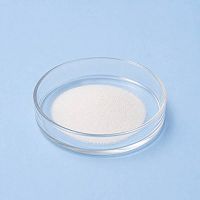


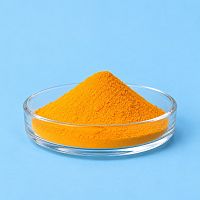
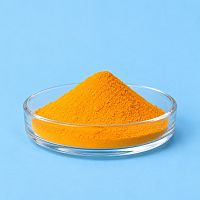
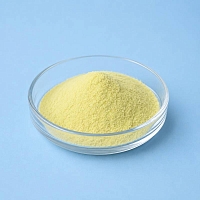
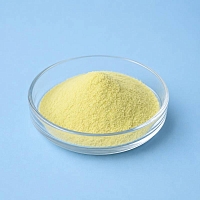
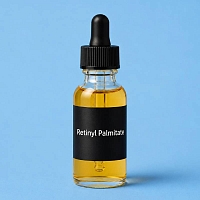
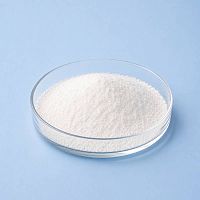


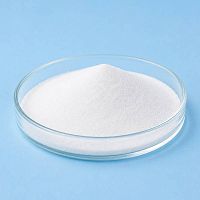
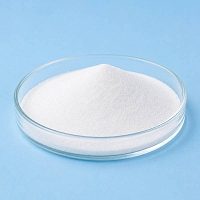
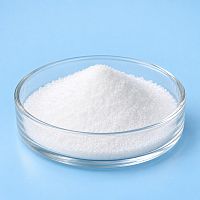

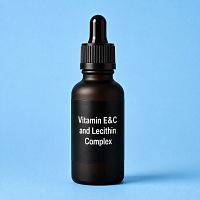

Active vitamin ingredients for skin and hair formulas
This section brings together vitamin ingredients used as functional actives in cosmetic formulations, including forms of vitamin C, vitamin E, vitamin B derivatives, vitamin A esters and provitamins supplied as powders, oils or stabilized solutions. Formulators use them to build serums, creams, emulsions, hair masks and leave in treatments where a targeted active ingredient defines the product performance. Each form has its own solubility, stability profile and recommended dosage range, which matters when planning a batch.
Vitamin actives rarely work alone. They are commonly paired with functional components such as emulsifiers, stabilizers or thickeners that carry the active through the finished texture and keep it evenly distributed. For formulators building a full recipe from scratch, the broader range of cosmetic ingredients wholesale covers the remaining building blocks needed alongside vitamins, from oils to active complexes.
Forms and Differences Between Vitamin Types
Vitamin C appears in this range mainly as a stable powder, while Vitamin C 1 kg works well in water phase formulas that need a brightening or antioxidant boost. Fat soluble forms behave differently: Vitamin E Oil 1 L disperses directly into oil phases and blends, whereas Vitamin E Powder 1 kg suits dry premixes and anhydrous bases like balms or sticks. The same logic applies to vitamin A: Vitamin A oil soluble liquid 1 L integrates into emulsions and serums, while Vitamin A Powder 1 kg gives more control in low moisture recipes.
B group vitamins cover a separate function entirely, focused on hydration and conditioning rather than antioxidant activity. Vitamin B5 1 L and D-Panthenol 1 L are frequently used together in leave in treatments and after sun products, while Vitamin B6 liquid 1 L and Vitamin B12 liquid 1 L extend the range for hair and scalp formulas. Rounding out the group, Vitamin D3 liquid 1 L and Vitamin F 1 L add support for barrier focused creams and lipid replenishing masks.
Choosing a Form and Pairing With Other Ingredients
The main selection criterion is the phase of the formula. Water based serums and gels call for powder or water soluble forms, while emulsions, balms and hair oils need the fat soluble liquids. Dosage range and expected shelf stability of the active also affect which form suits a production line, especially for larger batches with longer storage between mixing and packaging.
Vitamins are almost never the only active in a recipe. They are commonly formulated alongside emulsifiers and thickeners that carry the vitamin evenly through the texture, and blended with waxes for structure in balms and sticks, an option covered in Bulk Waxes for Cosmetics. This same logic applies across serums, creams, shampoos and conditioners, where the vitamin defines the functional claim while the surrounding base defines texture and stability.
Origin and Storage
Products in this range originate from Germany, Ukraine, the United States, France, Switzerland, Poland, Japan and Spain, depending on the specific vitamin form. Liquid and oil soluble vitamins are sensitive to light and heat, so they should be kept in sealed, opaque packaging away from direct sunlight. Powdered forms generally tolerate storage better but still benefit from a cool, dry environment to preserve potency across a full production cycle.
FAQ
What is the difference between vitamin C powder and stabilized vitamin C solutions in formulas
Powder forms give formulators control over concentration and are added directly into the water phase during batch preparation, while stabilized solutions are pre-dissolved and easier to dose consistently. The choice depends on desired strength, mixing equipment and how sensitive the rest of the formula is to pH shifts.
Can vitamin E and vitamin C be combined in the same cream or serum
Yes, these actives are frequently paired because vitamin E is oil soluble and supports the oil phase while vitamin C works in the water phase. Combining them is common in serums and creams, though the final ratio depends on the emulsion type and other actives already present in the recipe.
How should vitamin actives be stored before use in production
Most vitamin actives are sensitive to light, heat and air exposure, so they should be kept in sealed, opaque containers in a cool, dry area away from direct sunlight. Powders generally hold stability longer than oils or ready solutions once opened, so smaller working batches reduce waste from degradation.
Which vitamin form works best for hair masks and leave in treatments
Vitamin B derivatives and provitamin forms are commonly chosen for hair formulas because they blend easily into lightweight, rinse off or leave in bases without leaving residue. The exact form depends on the texture target, whether the base is oil rich or water based, and the desired finish.
What dosage range is typical for vitamin actives in a cosmetic recipe
Dosage varies by vitamin type, form and the intended function in the formula, so it should always be checked against the specific ingredient rather than assumed from a general rule. Formulators typically start with a small test batch to confirm compatibility with the rest of the recipe before scaling production.
Recommendations
Choosing the right vitamin active starts with matching the form, powder, oil or stabilized solution, to your formula type and production process. Check solubility and recommended dosage range for the specific ingredient before scaling a batch, and test compatibility with emulsifiers or stabilizers already in your recipe. If you are unsure which form fits your target texture and stability needs, our team can help you select a suitable option and quantity for your production volume. Orders and questions are handled by email, with order assembly typically taking three to five business days.