-
 Absolutes
-
 Active Complexes
-
 Actives & Peptides
-
 Amino Acids & Proteins
-
 Food Flavors
-
 Ayurvedic Ingredients & Herbs
-
 Vitamins & Coenzymes
-
 Chocolate Making Supplies
-
 Thickeners & Gelling Agents
-
 Hydrosols & Floral Waters
-
 Hydrolyzed Proteins
-
 Fragrance Ingredients
-
 Nutraceutical Ingredients
-
 Acids, Salts, Alcohols & Alkalis
-
 Preservatives & Antioxidants
-
 Cosmetic Ingredients
-
 Colorants, Micas & Glitters
-
 Masks, Scrubs & Botanicals
-
 Oils & Butters
-
 Candle Making Supplies
-
 Melt and Pour Soap Bases
-
 Cream, Lotion & Hair Care Bases
-
 Fragrance Oils & Industrial Aromatics
-
 Cleansing Agents & Surfactants
-
 Peeling Actives & Acids
-
 Cosmetic Powders
-
 Solvents & Humectants
-
 Silicones & Conditioning Agents
-
 Bottles, Jars & Vials
-
 Silicone & Plastic Molds, Tools
-
 Botanical Extracts
-
 Cosmetic Emollients
-
 Emulsifiers
-
 Essential Oils
- Antioxidants 122
- Biocides 12
- Hydrosols (Hydrolates) 11
- Hydrocolloids for Cosmetics 10
- Others 70
- Fragrant Waters for Cosmetics 26
- Mineral Cosmetic Ingredient 194
- Functional Components 5137
- Corneotherapy 17
- Liposomes for Cosmetics 21
- Minerals 76
- pH Neutralizers/Correctors 20
- Resins and Resinoids 17
- UV and SPF Filters for Cosmetics 95
- Fruit Powders 15
- Chemical Raw Materials 155
- Enzymes, Filtrates, and Lysates 26
- Cargill France SAS – Oils and Actives 10
- BASF Cognis Care Chemicals 12
- Vitamins & Coenzymes Wholesale 156
- Bulk Waxes for Cosmetics 61
- Others Wholesale 89
- Acids, Salts, Alcohols & Alkalis Wholesale 136
- Cosmetic Ingredients Wholesale 2549
- Food grade raw materials wholesale 13
- Fruit Powders in Bulk 23
- Antioxidants bulk 1
- Acids and Alkalis Wholesale 17
- Preservatives Bulk 5
- Bulk Surfactants 3
- Emulsifiers Bulk 14
- Hydrosols Bulk 210


Others Wholesale
 Add to cart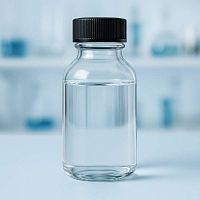
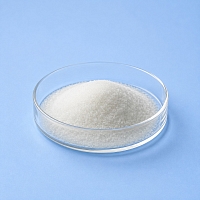
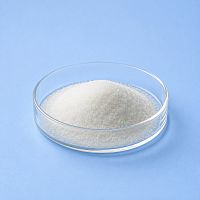
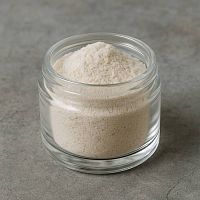
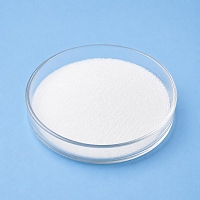
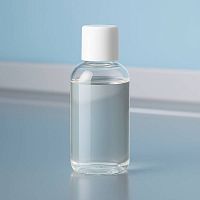
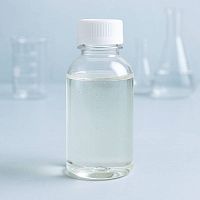

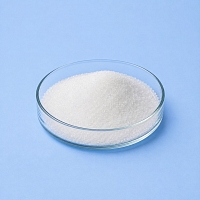
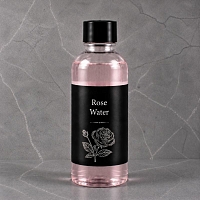
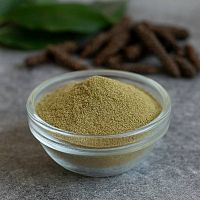
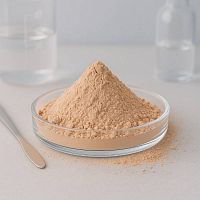
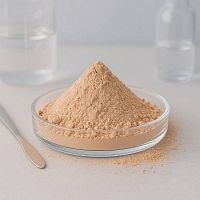

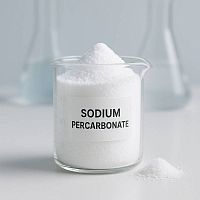
Specialty raw materials that fill gaps in a formulation
This section gathers specialty raw materials that do not fit neatly into the standard ingredient groups of a cosmetic catalog. Formulators come here for niche components, less common additives, and materials that solve a particular texture, stability, or performance question in a recipe. The lineup shifts over time as new materials enter the market and existing ones move into more defined categories.
These raw materials serve a wide range of finished products, from lightweight facial serums and rich body creams to shampoos, conditioners, and color cosmetics. A single ingredient here might improve spreadability in one formula and act as a stabilizer or texturizing agent in another, so the practical use depends on the concentration and the rest of the recipe. Formulators working across several product lines often pair items from this category with staples from Functional Components or browse the wider range in Cosmetic Ingredients Wholesale to complete a batch.
Because this group is intentionally broad, it is worth checking back periodically, since new specialty materials are added here before they get their own dedicated section.
Range of materials and how they differ
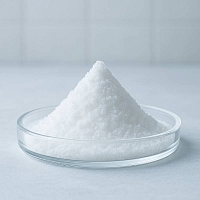
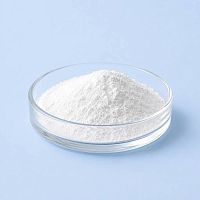
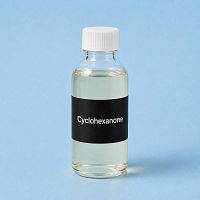
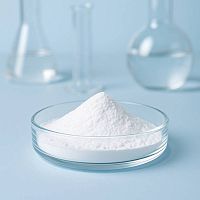
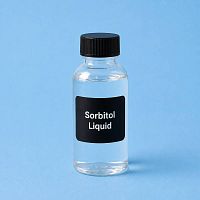
Within this section you will find raw materials that differ widely in origin and function rather than sharing one common trait. Some are humectants and sugar derivatives that draw moisture into a formula, such as Sorbitol 1 L and Fructose 1 kg, both used to influence texture, sweetness of skin feel, and water retention in creams and lotions.
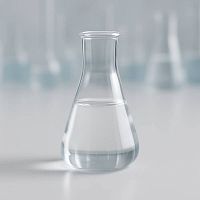
Others bring a cooling or astringent effect, like Menthol Crystals 1 kg and Potassium Alum 1 kg, which formulators reach for in body care, foot care, and after-sun products where a fresh or tightening sensation is part of the finished result. A separate group covers emollients and solvents, including Isopropyl Palmitate 1 kg, which lightens the feel of heavier oils and helps active ingredients disperse evenly through a base. Base liquids and reducing agents round out the group, from Distilled water purified 1 L used as the starting point of almost any emulsion, to Thiourea 1 kg, applied in more specialized technical formulations.
Choosing the right material and building a recipe around it
Selection here starts with the function a formula is missing rather than the product name alone. A cream that feels too heavy calls for a lighter emollient, a lotion that separates over time may need a different humectant ratio, and a body scrub aiming for a tingling finish will draw on cooling agents in small, tested percentages.
Because these are concentrated raw materials, dosage and compatibility testing matter more than with pre-blended bases. Humectants like sorbitol and fructose typically pair with emulsifiers and oils from Bulk Waxes for Cosmetics to balance moisture retention against a stable, workable texture. Solvents and carriers such as isopropyl palmitate often sit alongside active complexes to help them spread evenly, while distilled water forms the aqueous phase that ties an entire batch together. Small-batch formulators and production lines both benefit from checking INCI compatibility before scaling a recipe, since the same raw material can behave differently at 0.5 percent versus 5 percent of a formula.
Origin and storage notes
Materials in this section arrive from a mix of origins, including Ukraine, Germany, China, Italy, France, Spain, Poland, and the United Kingdom, depending on the specific item and current supply. Most of these raw materials are sensitive to moisture and temperature swings, so they are best kept in tightly sealed containers, away from direct sunlight and heat sources, in a dry storage area.
Crystalline and powdered materials, such as menthol or alum, tend to hold their properties longest when protected from humidity, while liquid solvents and water-based items should be stored upright and checked periodically for any change in clarity or smell. As new specialty materials enter the catalog, this section is a practical place to check back for additions that have not yet been sorted into a more specific ingredient group.
FAQ
What kind of raw materials are grouped in this miscellaneous ingredients section?
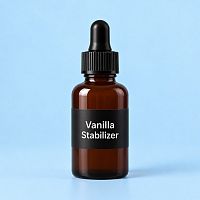
This section brings together specialty components that do not fit the standard catalog groups, such as niche additives, texturizers, and stabilizers used to solve specific formulation challenges. Their exact function depends on concentration and the rest of the recipe, which is why they are kept as a flexible, evolving lineup rather than a single fixed category.
Can these materials be used across different cosmetic product types?
Yes, most items here are formulated for broad use rather than one narrow application. The same raw material might improve spreadability in a facial serum, add stability to a body cream, or adjust texture in a shampoo base, depending on how it is dosed within the formula.
How should these specialty ingredients be stored before use?
General best practice applies unless a specific data sheet states otherwise: keep containers sealed, store away from direct sunlight and heat sources, and check each material for its recommended shelf life once opened. Since this group covers varied chemistries, storage needs can differ from one item to the next.
Why does the product lineup in this category change over time?
New specialty materials enter the market regularly, and as they become more established, some are moved into more defined ingredient categories elsewhere in the catalog. This section stays intentionally open-ended so formulators can find newer or less common components before they get a dedicated home.
Recommendations
When selecting a specialty raw material from this section, start with the role it needs to play in your formula, whether that is texture, stability, or a specific sensory effect, rather than the product name alone. Check compatibility with the rest of your recipe and test at a small batch scale before committing to a larger order. If you need more detail on a particular material to confirm it fits your project, reach out by email and our team can help narrow down the right option.