Why Technical Alcohol Remains a Workhorse Solvent Across Industries
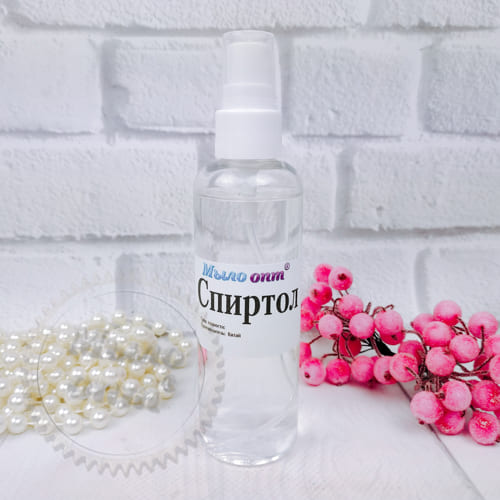
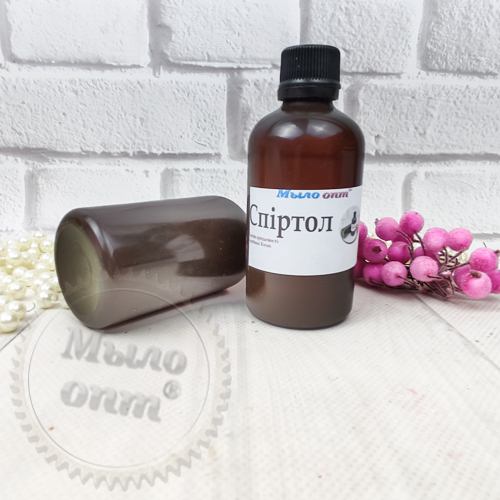
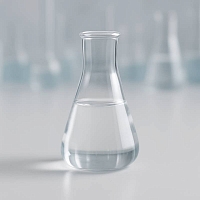
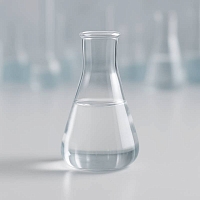
This 1 liter bottle of alcohol belongs to the category Acids, Salts, Alcohols, and Alkalis and represents one of the most versatile technical liquids used across multiple sectors of industry and small-scale production. Global demand for this type of alcohol is largely driven by disinfection needs, surface treatment, perfumery, and its role as a solvent for active ingredients in cosmetic formulations. This flexibility makes the product valuable both to individual hobbyists and to small workshops that require a predictable, stable solvent for daily work.
In household and industrial settings, alcohol is most commonly used for degreasing and cleaning surfaces before applying adhesives, varnishes, paints, or other coatings. It effectively removes oily residues, silicone traces, and polymer films, which is why it has found wide application in furniture manufacturing, electronics repair, and the automotive sector. Another major use is as a base for antiseptic solutions and hand or surface cleaning products, where rapid evaporation and the absence of a sticky residue after use are essential qualities.
In perfumery, alcohol serves as the primary carrier for fragrance compositions, allowing essential oils and aromatic blends to disperse evenly throughout the liquid and produce a stable, long-lasting scent in the finished product. The typical dosage of alcohol in perfume formulations ranges from 70 to 90 percent of the total volume, and it is introduced at the final blending stage at room temperature to prevent the loss of volatile aromatic compounds. After mixing, the composition is usually left to mature in a cool, dark place for several days to several weeks to allow the scent to stabilize.
In cosmetic formulation practice, alcohol is frequently used as a solvent for active acidic ingredients that dissolve poorly in water or oils. For example, when preparing brightening and lightening serums, alcohol helps evenly disperse Ascorbic Acid 50 g or the smaller pack of Ascorbic Acid 10 g, ensuring complete dissolution of the crystals and preventing separation in the finished formula. The alcohol base is equally convenient for dissolving Kojic Acid 5 g, known for its skin-brightening properties and often combined with ascorbic acid to boost the effect against uneven pigmentation.
When working with alcohol, it is important to keep the dosage moderate in finished formulas, typically no more than 10-15 percent of the total product volume, to avoid drying out the skin or mucous membranes. Alcohol should be added at the very end of preparation, once the main mixture has cooled to room temperature, since heating causes rapid evaporation and reduces its effectiveness as a solvent. The bottle should be stored tightly sealed, away from open flames and heat sources, in a cool, well-ventilated space, which prevents evaporation and preserves the product's stability over a long period.
The 1 liter size is convenient for makers preparing trial batches of cosmetic or perfume products, as well as for small workshops that use alcohol regularly but not on an industrial scale. This size allows formulators to test a recipe and estimate consumption before committing to larger volumes for full-scale production.
Brightening facial tonic with acids on an alcohol base
Alcohol - 18 ml
Ascorbic acid - 2 g
Kojic acid - 1 g
Glycerin - 9 ml
Distilled water - 65 ml
In a small glass container, dissolve the ascorbic and kojic acid in the alcohol, stirring thoroughly until the crystals are fully dissolved. Add the glycerin and gradually pour in the distilled water at room temperature, continuing to stir until the mixture becomes uniform. Transfer the finished tonic into a dark dropper bottle and store it in the refrigerator for no more than three weeks, applying it nightly to cleansed facial skin with a cotton pad.