-
 Absolutes
-
 Active Complexes
-
 Actives & Peptides
-
 Amino Acids & Proteins
-
 Food Flavors
-
 Ayurvedic Ingredients & Herbs
-
 Vitamins & Coenzymes
-
 Chocolate Making Supplies
-
 Thickeners & Gelling Agents
-
 Hydrosols & Floral Waters
-
 Hydrolyzed Proteins
-
 Fragrance Ingredients
-
 Nutraceutical Ingredients
-
 Acids, Salts, Alcohols & Alkalis
-
 Preservatives & Antioxidants
-
 Cosmetic Ingredients
-
 Colorants, Micas & Glitters
-
 Masks, Scrubs & Botanicals
-
 Oils & Butters
-
 Candle Making Supplies
-
 Melt and Pour Soap Bases
-
 Cream, Lotion & Hair Care Bases
-
 Fragrance Oils & Industrial Aromatics
-
 Cleansing Agents & Surfactants
-
 Peeling Actives & Acids
-
 Cosmetic Powders
-
 Solvents & Humectants
-
 Silicones & Conditioning Agents
-
 Bottles, Jars & Vials
-
 Silicone & Plastic Molds, Tools
-
 Botanical Extracts
-
 Cosmetic Emollients
-
 Emulsifiers
-
 Essential Oils
- Auto-perfume wholesale 55
- Aromas For Massage Oils And Spa Treatments 7
- Water Soluble Fragrances Wholesale 103
- Hypoallergenic Fragrance Oils Wholesale 20
- Granular fragrances wholesale 459
- Fragrance Collection for Wet Wipes 25
- Fragrances for Fabric Conditioners 3
- Fragrances collection for cosmetic oils 18
- Fragrances for windshield washer and deicing liquids wholesale 8
- Christmas fragrance collection 4
- Candle fragrance collection 4
- Fragrance collection for body creams 4
- Lipstick & Gloss Fragrances Collection 1
- Natural fragrances in sunscreen cosmetics 3
- New fragrance collection for hai 4
- Fragrance oils new collection for cosmetic emulsions 2
- New fragrances for anti age cosmetics 5
- Fragrance Oils from England Wholesale 48
- Fragrance Oils Germany Wholesale 82
- Lipstick Flavors Oils Wholesale 22
- Fragrances for deodorants and antiperspirants 6
- Fragrances for toothpastes and mouth rinses 1
- Acid stable fragrances wholesale 13
- Fragrances for fabric softeners 30
- Fragrance Oils for Cream Formulations Wholesale 11
- Fragrance Oils for Masking Isopropyl Alcohol wholesale 28
- Cold Process Soap Fragrances Wholesale 57
- Fragrances for washing powders wholesale 36
- Fragrance Oils for Alkaline Formulations 36
- Fragrance Oils from Spain Wholesale 412
- Fragrances Oils Lori latvia Wholesale 113
- Polymer Granules for Sachets Wholesale 457
- Polish Fragrance Oils Wholesale 5
- Fragrances Bio Series 2
- Fragrance Oils USA Wholesale 384
- Ukrainian Fragrance Oils Wholesale 493
- French Fragrance Oils Wholesale 228
- Perfume Compositions Wholesale 1163
- Perfumery natural compositions for BIO cosmetics 6
- Perfume Fragrance Oils Wholesale 1193
- Perfumed fragrances Ukraine 22
- Oriental fragrance collection England wholesale 12
- Fragrances Oil Japan Wholesale 30


Perfumery natural compositions for BIO cosmetics

 Add to cart


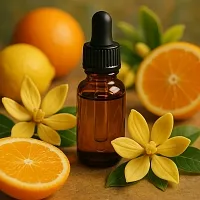
Plant-derived scent blends for clean label formulas
This range covers natural perfumery compositions built from essential oils, resins, absolutes and plant extracts, blended specifically for BIO and clean label cosmetic lines. Formulators use them to scent a finished product without relying on synthetic aroma chemicals, keeping the ingredient list closer to nature-identical or fully natural status.
Because these compositions are raw scent material rather than a finished fragrance, the same blend can move between very different product types on a production line. A citrus-herbal composition might round out a facial serum one week and a body lotion the next, while a resinous woody blend often carries solid perfume balms, roll-on oils or scented body butters. Formulators working across several product categories sometimes source these alongside French fragrance oils to blend natural and classic profiles within one line.
Stability under heat and pH shifts varies by composition, so most labs run a small batch test before scaling into an emulsion or a surfactant base. Compatibility with preservative systems and with other actives is worth checking early, since some natural extracts can shift the scent profile once combined with a full formula.
Composition families and how they differ
Within this range, blends generally split into three broad families. Citrus and herbal compositions lean bright and volatile, built from top-note materials that lift quickly and read as fresh rather than sweet. Floral and green blends sit in the middle, offering a rounder body that carries well in lotions and creams without dominating other actives. Resinous, woody and oriental compositions bring depth and longevity, which is why they show up so often as the base of solid balms and longer-wearing formats. A composition like Fragrance Oil Agrumes sits firmly in the first group, while something like Nuit orientale Fragrance Oil belongs to the warmer, resinous end of the spectrum.
Some blends are built around a single recognizable accord, such as a tea note in Fragrance Oil Earl gray or a tropical floral facet in Fraicheur de tiare Fragrance Oil, while others combine several plant materials into a more complex, layered profile, as with Fragrance Oil Fleur de badiane. Knowing which category a blend falls into helps a formulator predict how it will behave once diluted into a base.
Choosing a blend and building a formula around it
The main selection criteria are volatility, intended wear time and the base the blend will go into. A light citrus-herbal composition works well in a rinse-off product or a fast-absorbing lotion, where a short scent life is not a drawback. A denser resinous blend is better suited to leave-on formats such as balms, creams or scented oils, where the composition needs to stay perceptible for hours.
Compatibility with the rest of the formula matters as much as the scent profile itself. These compositions are commonly paired with emulsifiers, carrier oils and preservative systems already used in a clean label line, and many labs keep both natural blends and Perfume Fragrance Oils Wholesale on hand to cover different product tiers within the same brand. For water-based products such as toners or misting sprays, formulators often look toward the separate Water Soluble Fragrances Wholesale range instead, since solubility behaves differently from an oil-based system.
Origin and storage
The compositions in this range come from France, where plant-derived perfumery has a long production history and consistent sourcing of essential oils, absolutes and resins. Because these are concentrated botanical blends, they should be stored in tightly closed containers away from direct light and heat, which helps preserve both the scent profile and the stability of the volatile top notes over time.
A small patch test in the intended base is worth running before a full production batch, particularly for pH-sensitive formulas or systems with several active ingredients already in place. This applies equally to brighter blends like Fragrance Oil Divine and to heavier, longer-wearing compositions, since heat exposure during storage can shift the balance between top, heart and base notes before the product ever reaches a client.
FAQ
What are plant-derived scent blends used for in cosmetic formulas?
They provide the fragrance layer for clean label and BIO cosmetic lines, replacing synthetic aroma chemicals. Formulators use them across serums, lotions, balms, roll-on oils and body butters, choosing a citrus, herbal, woody or resinous profile depending on the finished product concept.
How do natural scent blends differ from standard fragrance oils?
Natural blends are built purely from essential oils, resins, absolutes and plant extracts, keeping the label closer to nature-identical status. Standard fragrance oils often include synthetic aroma molecules, which gives broader stability but does not fit a strict clean label claim.
Do these scent compositions hold up in emulsions and surfactant bases?
Stability depends on the specific blend, since resinous and citrus notes react differently to heat and pH. Most labs test a small batch in the actual base first, then scale up once the scent profile and stability are confirmed.
How should natural fragrance blends be stored before use?
Keep them in tightly sealed, light-protected containers away from heat sources, similar to storing essential oils. Oxidation and temperature swings can shift the scent profile over time, so a cool, stable storage spot helps preserve consistency between batches.
Recommendations
Start by matching the scent profile to your base formula rather than the fragrance strength alone, since resinous and woody blends behave differently in an emulsion than in a solid balm. Request a small sample batch before committing to a larger volume, and check compatibility with your preservative system early in development. Our team is reachable by email to help you shortlist a blend for your specific product line and confirm current stock before you place an order.


