-
 Absolutes
-
 Active Complexes
-
 Actives & Peptides
-
 Amino Acids & Proteins
-
 Food Flavors
-
 Ayurvedic Ingredients & Herbs
-
 Vitamins & Coenzymes
-
 Chocolate Making Supplies
-
 Thickeners & Gelling Agents
-
 Hydrosols & Floral Waters
-
 Hydrolyzed Proteins
-
 Fragrance Ingredients
-
 Nutraceutical Ingredients
-
 Acids, Salts, Alcohols & Alkalis
-
 Preservatives & Antioxidants
-
 Cosmetic Ingredients
-
 Colorants, Micas & Glitters
-
 Masks, Scrubs & Botanicals
-
 Oils & Butters
-
 Candle Making Supplies
-
 Melt and Pour Soap Bases
-
 Cream, Lotion & Hair Care Bases
-
 Fragrance Oils & Industrial Aromatics
-
 Cleansing Agents & Surfactants
-
 Peeling Actives & Acids
-
 Cosmetic Powders
-
 Solvents & Humectants
-
 Silicones & Conditioning Agents
-
 Bottles, Jars & Vials
-
 Silicone & Plastic Molds, Tools
-
 Botanical Extracts
-
 Cosmetic Emollients
-
 Emulsifiers
-
 Essential Oils


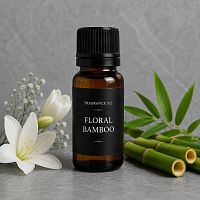
Candle Fragrance Oils
 Add to cart




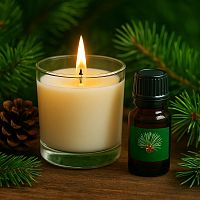

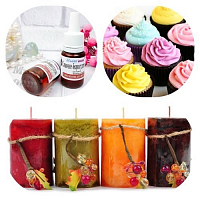


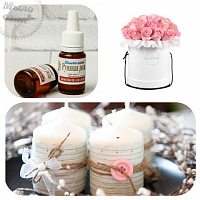

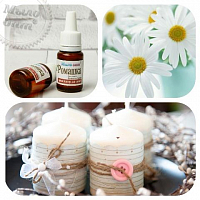


Scent compounds for pillar votive and container wax
This section covers concentrated fragrance oils formulated for candle production, including single note and blended compositions in gourmand, floral, woody, fresh and seasonal profiles. Each oil is selected for compatibility with soy, paraffin, coconut and blended waxes, giving producers a wide palette to build signature scent lines rather than relying on a single generic aroma.
Beyond classic pillar and container candles, these compounds are also used in wax melts, sachets and other scented decor items where a stable, evenly diffusing fragrance matters more than the exact vessel it goes into. Formulators typically test flashpoint, cold throw and hot throw before committing to a full batch, since the same oil can behave differently depending on wax type and pour temperature. For related supplies used alongside fragrance oils, see our candle making supplies and broader candle making raw materials ranges.
Producers working at both small and larger scale rely on this category to keep scent output consistent from batch to batch, since fragrance behavior can shift with storage conditions, dilution ratios and the specific wax base used in a given formula.
Single note profiles versus blended compositions
Within this range, single note oils reproduce one recognizable profile such as vanilla, chamomile, coffee, lemon or menthol, while blended compositions layer several notes into a rounder, more complex signature scent. A Vanilla Candle Fragrance Oil, 10 ml or its larger Vanilla Candle Fragrance Oil, 25 ml counterpart works well as a warm gourmand base note on its own, whereas a fresh option like Lemon Candle Fragrance Oil 10 ml or Lemon Candle Fragrance Oil 25 ml tends to sit better as a top note in a layered blend.
Botanical and food inspired notes behave differently on the wick, too. A Chamomile Candle Fragrance Oil, 10 ml reads as soft and herbal, close to the larger Chamomile Candle Fragrance Oil, 25 ml, while roasted and cooling profiles such as Coffee Candle Fragrance Oil 10 ml, Coffee Candle Fragrance Oil 25 ml or Menthol Candle Fragrance Oil 10 ml carry noticeably stronger throw at lower dosage, so producers usually adjust load rate rather than treat every oil in the range the same way.
Choosing a fragrance and building a formula
Selection generally starts with the wax base a producer already works with, since soy, paraffin and coconut blends carry fragrance differently and change how a note like Candle Candle Fragrance Oil, 10 ml or the larger Chocolate Candle Fragrance Oil, 25 ml reads once poured and cured. Dosage, pour temperature and cure time all shift hot throw, so most formulators keep notes on hand for side by side testing rather than committing an entire batch to a single oil.
These fragrance compounds are not limited to a single finished item. The same concentrated oils used in pillar and container candles also carry well in wax melts, reed diffuser style blends and other scented decor pieces, which is why keeping a working set of profiles, from fresh citrus to warm gourmand, gives a producer more flexibility than sourcing one aroma at a time. Pairing a fragrance decision with our Candle colorants range lets a producer plan scent and visual identity together rather than as separate steps.
Origin and storage
Oils in this range are sourced from Germany and the United States, giving producers a choice between suppliers depending on the specific note and blend they need. Fragrance compounds are sensitive to heat, light and air exposure, so keeping bottles tightly closed, away from direct sunlight and at stable room temperature helps preserve both scent accuracy and throw performance until the oil is actually poured into a batch.
FAQ
What is the difference between single note and blended fragrance oils for candles
Single note oils carry one dominant scent profile, such as vanilla or cedarwood, while blended compositions combine several notes into a layered signature scent. Blends are often chosen for seasonal or branded lines, while single notes give producers more control when building their own custom combinations.
Can the same fragrance oil be used in both soy and paraffin wax
Many fragrance oils are formulated to work across soy, paraffin, coconut and blended waxes, but hot throw and cold throw can vary between wax types. It is common practice to test a small batch in the specific wax base before scaling up production to confirm consistent scent performance.
Why does the same fragrance oil smell different in wax melts versus candles
Scent diffusion depends on melting temperature, surface area and airflow, which differ between a poured candle and a wax melt. The oil itself has not changed, but the way heat releases the fragrance molecules can shift the perceived intensity and balance of notes.
How should fragrance oils be stored before use
Fragrance oils should be kept in tightly sealed containers, away from direct light and heat, ideally at a stable room temperature. Proper storage helps preserve the original scent profile and prevents changes in viscosity or color over time.
What is flashpoint and why does it matter when choosing a fragrance oil
Flashpoint is the temperature at which an oil can ignite as vapor, and it directly affects how safely and at what pour temperature a fragrance can be added to melted wax. Producers check flashpoint values to match the oil with their process and avoid overheating during blending.
Recommendations
When choosing a fragrance oil for a new candle line, start by matching the scent profile to your wax base and intended format, whether that is a poured container candle, a pillar or a wax melt, since throw performance can vary across these. Request a small sample size first to test cold throw and hot throw under your own pour conditions before committing to a full batch, and keep notes on dilution ratios that worked well for future consistency. If you are planning a seasonal or signature line, consider testing two or three related profiles side by side to see how they age in storage. Our team is available by email to help match a profile to your production setup and confirm current stock availability.