-
 Absolutes
-
 Active Complexes
-
 Actives & Peptides
-
 Amino Acids & Proteins
-
 Food Flavors
-
 Ayurvedic Ingredients & Herbs
-
 Vitamins & Coenzymes
-
 Chocolate Making Supplies
-
 Thickeners & Gelling Agents
-
 Hydrosols & Floral Waters
-
 Hydrolyzed Proteins
-
 Fragrance Ingredients
-
 Nutraceutical Ingredients
-
 Acids, Salts, Alcohols & Alkalis
-
 Preservatives & Antioxidants
-
 Cosmetic Ingredients
-
 Colorants, Micas & Glitters
-
 Masks, Scrubs & Botanicals
-
 Oils & Butters
-
 Candle Making Supplies
-
 Melt and Pour Soap Bases
-
 Cream, Lotion & Hair Care Bases
-
 Fragrance Oils & Industrial Aromatics
-
 Cleansing Agents & Surfactants
-
 Peeling Actives & Acids
-
 Cosmetic Powders
-
 Solvents & Humectants
-
 Silicones & Conditioning Agents
-
 Bottles, Jars & Vials
-
 Silicone & Plastic Molds, Tools
-
 Botanical Extracts
-
 Cosmetic Emollients
-
 Emulsifiers
-
 Essential Oils
- Absolutes Wholesale 87
- Active Complexes for Cosmetics Wholesale 411
- Amino Acids & Proteins Wholesale 92
- Antioxidants Wholesale 303
- Ayurvedic Powders Wholesale 273
- Biocides Wholesale 16
- Thickeners and Gelling Agents in Bulk 116
- Bulk Hydrosols for Cosmetics 10
- Hydrocolloids in Bulk 5
- Hydrolyzed Proteins Wholesale 75
- Aromatic Fragrant Waters Wholesale 27
- Fragrance Ingredients Bulk 168
- Preservatives & Antioxidants Wholesale 161
- Corneotherapy Wholesale 10
- Cosmetic Clay Wholesale 14
- Neutralizers/pH Correctors Wholesale 17
- Surfactants Wholesale 145
- Cosmetic Peelings Wholesale 77
- Cosmetic Powders Wholesale 403
- Silicones and Conditioning Surfactants for Hair Wholesale 124
- Resins and Resinoids Wholesale 17
- UV and SPF Filters Wholesale 100
- Cosmetic Emollients Wholesale 144
- Emulsifiers Wholesale 335
- Enzymes, Filtrates and Lysates in Bulk 35
Silicones and Conditioning Surfactants for Hair Wholesale
 Add to cart




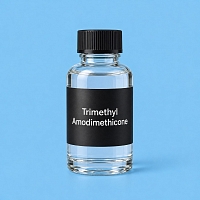
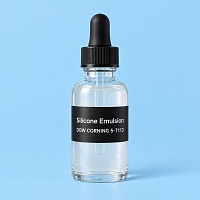


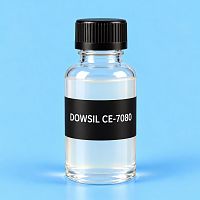
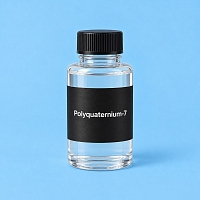




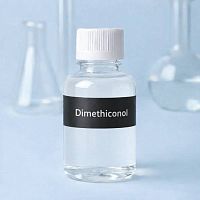
Range of silicones and conditioning surfactants
This section gathers silicones and conditioning surfactants for hair care formulas. Available materials include dimethicones, aminosilicones, cyclomethicones and cationic agents based on quaternary ammonium compounds. Each type brings distinct performance in terms of volatility, film formation and charge interaction with the hair fiber.
Volatile versus non volatile grades
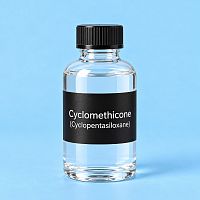
Cyclomethicone evaporates after application and leaves a light feel. Non volatile dimethicones create a more persistent film that lowers friction during combing. Phenyl trimethicone stands out with a higher refractive index that supports visible shine.
Aminofunctional silicones and targeted action
Amodimethicone and trimethyl amodimethicone carry amino groups that attach preferentially to damaged keratin. These molecules concentrate conditioning where it is needed most rather than coating the entire shaft evenly. Pre emulsified options such as Dow Corning 949 Cationic Emulsion integrate directly into the water phase without extra processing steps.
Grades like BC 2398, BC 99/012 silicone fluid, silicone SeraSol SC 81 and silicone fluid BC 2231 offer varied viscosities for fine tuning the final texture. Cosmetic ingredients wholesale help complete a formula with compatible stabilizers.
Cationic conditioning agents in practice
Polyquaternium 7 and similar cationic materials neutralize the negative charge on hair after cleansing. They pair well with silicones to improve both wet and dry combing in rinse off and leave in systems. Polyquaternium 7, 1 l is supplied in convenient volumes for production batches.
Selection by product format
Light sprays and serums usually rely on volatile cyclomethicones. Richer masks and balms benefit from non volatile and amino functional types. Ayurvedic powders wholesale can be added to create complementary sensory notes.
Industrial emulsions and fluids
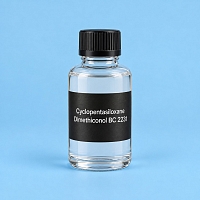
Ready to use dispersions such as Cyclopentasiloxane Dimethiconol BC 2231 and BC 2231 reduce production steps because they are already suited to the water phase. Different viscosity levels allow formulators to balance spreadability with a richer after feel.
Storage and batch consistency
Silicones and cationic surfactants are kept in sealed containers at ambient temperature away from direct light. Viscosity and active content checks ensure batch to batch consistency for ongoing manufacturing. Neossance Hemisqualane, 100 ml illustrates a companion ingredient used to adjust texture in the same lines.
FAQ
Which silicone suits a leave in spray?
Volatile cyclomethicones are preferred because they disappear after application and avoid a heavy coating.
Can aminosilicones be combined with cationic surfactants?
Yes, such pairings are common to boost overall combing performance.
How does phenyl trimethicone differ from standard dimethicone?
Phenyl trimethicone delivers stronger shine due to its different refractive index.
Do industrial silicone fluids require extra emulsifiers?
Many pre formed fluids are already adapted and do not need additional emulsifiers when added to the water phase.



