-
 Absolutes
-
 Active Complexes
-
 Actives & Peptides
-
 Amino Acids & Proteins
-
 Food Flavors
-
 Ayurvedic Ingredients & Herbs
-
 Vitamins & Coenzymes
-
 Chocolate Making Supplies
-
 Thickeners & Gelling Agents
-
 Hydrosols & Floral Waters
-
 Hydrolyzed Proteins
-
 Fragrance Ingredients
-
 Nutraceutical Ingredients
-
 Acids, Salts, Alcohols & Alkalis
-
 Preservatives & Antioxidants
-
 Cosmetic Ingredients
-
 Colorants, Micas & Glitters
-
 Masks, Scrubs & Botanicals
-
 Oils & Butters
-
 Candle Making Supplies
-
 Melt and Pour Soap Bases
-
 Cream, Lotion & Hair Care Bases
-
 Fragrance Oils & Industrial Aromatics
-
 Cleansing Agents & Surfactants
-
 Peeling Actives & Acids
-
 Cosmetic Powders
-
 Solvents & Humectants
-
 Silicones & Conditioning Agents
-
 Bottles, Jars & Vials
-
 Silicone & Plastic Molds, Tools
-
 Botanical Extracts
-
 Cosmetic Emollients
-
 Emulsifiers
-
 Essential Oils
- Glycolic Extracts Wholesale 298
- Botanical Extract Complexes Wholesale 105
- Oil Extracts Wholesale 281
- Aromatic Extracts Wholesale 104
- Fermented Extracts Wholesale 41
- Liquid Plant Extract Wholesale 247
- Plant Extracts Concentrates Wholesale 228
- CO2 Extracts Wholesale 548
- Powdered extracts and algae wholesale 681
CO2 Extracts Wholesale
 Add to cart
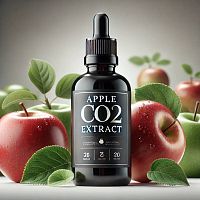
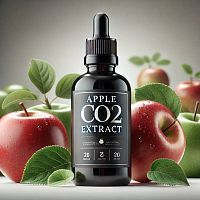
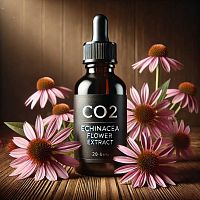
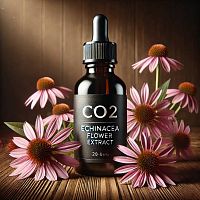
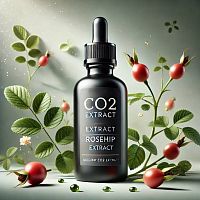
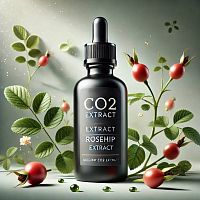
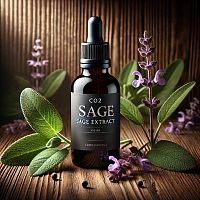
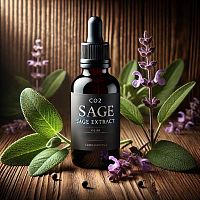
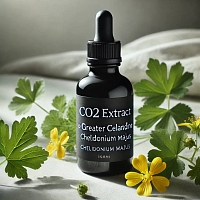
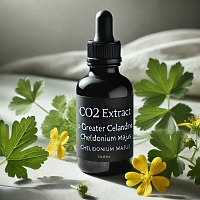
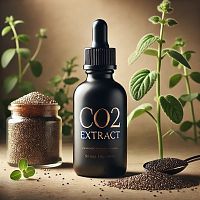
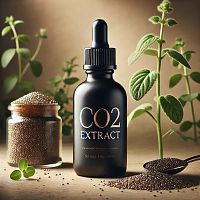
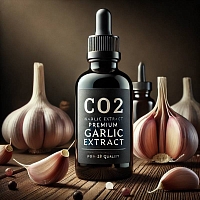
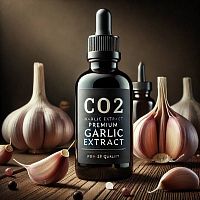
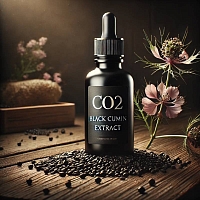
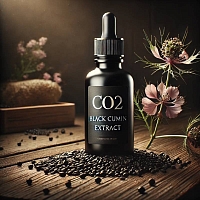
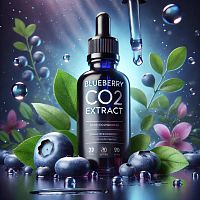
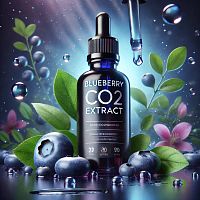
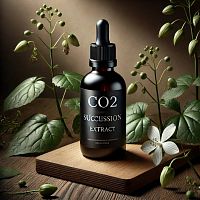
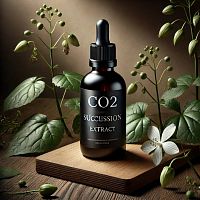
Scope of the CO2 extracts section and form differences
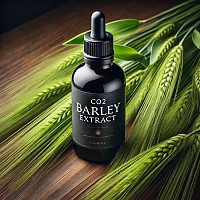
This section presents concentrated CO2 extracts obtained via supercritical carbon dioxide extraction without solvents. The range covers materials from seeds, herbs, resins and roots that retain lipid fractions, waxes and aromatic compounds of the source plant. Their denser texture sets them apart from liquid or powdered options available in Extracts Wholesale. These extracts are incorporated into the oil phase of formulas where a stable botanical fraction is required without additional impurities.
Selection guidance by solubility and dosage
Selection begins with base compatibility: CO2 extracts dissolve in vegetable oils and fats, so they are added to the oil phase of emulsions or anhydrous balms. Typical input rates range from 0.1 to 2 % depending on the concentration of active compounds. Packaging includes jars and pails of 100 g, 500 g and 1 kg, suitable for lab and industrial volumes. For other soluble forms see Glycolic Extracts Wholesale.
Applications in cosmetic manufacturing
Cream, serum and emulsion producers use CO2 extracts to build botanical character. Clove or nutmeg CO2 extract contributes warm notes, while chamomile and geranium versions supply softer fractions. Hair care products and body balms also incorporate these ingredients at low percentages for texture and scent accent. A practical case is the Monarda CO2 Extract 100 g used in precise amounts.
Procurement for dietary supplements and food production
Private formulators and factories worldwide source CO2 extracts as raw material for dietary supplements, beverages, confectionery and functional foods. The concentrated plant fractions enable precise dosing of lipids and aromatic components into recipes without altering the production process. Bulk lots deliver consistent composition from batch to batch, essential for serial manufacturing. The complete range appears in the CO2 Extracts section.
Wholesale supply and quality documentation
Production-scale orders are fulfilled in large packs accompanied by certificates of analysis and quality passports. Reproducible active-compound levels allow seamless integration into existing lines without extra validation steps. Shipments serve both small laboratories and large plants focused on export of finished goods.
Storage recommendations
Store the product in tightly closed containers at temperatures up to 25 °C in a dry area away from direct light. Under these conditions the original composition remains stable throughout the shelf life stated in the accompanying documents.
FAQ
How are CO2 extracts produced?
Supercritical carbon dioxide extraction isolates lipid and aromatic fractions without heat or chemical solvents, preserving the native profile of the plant.
In which phase are CO2 extracts introduced?
They are placed in the oil phase because the components dissolve readily in fats; typical usage does not exceed 2 % of the finished product weight.
Can these extracts be used in food recipes?
Yes, they serve as raw material for beverages, confectionery and dietary supplements, supplying plant fractions at precise concentrations.
What documents accompany a wholesale lot?
Each delivery includes a quality passport and analysis protocol confirming composition and purity of the product.



