Sourcing and specification
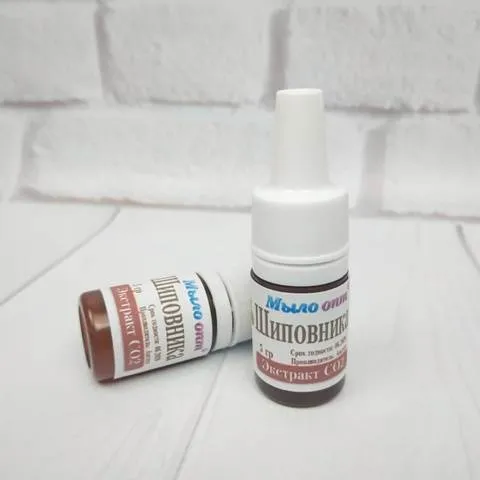
Rosehip fruit from England undergoes supercritical fluid extraction with natural carbon dioxide to yield a pure oily liquid known as Rosehip CO2 Extract. CO2 Extracts retain carotenoids, tocopherols and polyunsaturated fatty acids without solvent traces or thermal damage. The 5 g pack serves cosmetic laboratories and dietary supplement producers who require small quantities for formulation testing before scaling.
INCI lists the material as Rose Hip (Rosa canina) Fruit CO2 Extract. It appears as a viscous oily fluid that remains 100 percent natural and free from added impurities. Manufacturers worldwide value this concentrated form because conventional pressing methods lose part of the active compounds during production.
Technical parameters for formulators
The extract dissolves exclusively in fats and must enter the cooling phase of an emulsion at temperatures below 45 degrees Celsius. Recommended input levels range from 0.01 to 5 percent of the total formula weight. Storage in a tightly closed container placed in a cool dark environment preserves stability until December 2028.
B2B buyers appreciate the absence of heavy metals and residual solvents guaranteed by the extraction method. This specification allows direct incorporation into both leave-on and rinse-off cosmetic products as well as nutritional blends.
Applications in cosmetic development
International cosmetic laboratories add the extract to facial serums, eye contour creams, after-sun emulsions and barrier-supporting body lotions. The carotenoid fraction contributes to skin comfort while essential fatty acids assist in maintaining epidermal lipid balance. Botanical Extracts of this type integrate smoothly with complementary CO2 materials in anti-age and regenerative lines developed for professional brands.
Formulators also test small percentages in lip balms and nourishing hair masks where the material functions as an active rather than a simple emollient. Compatibility studies show positive results when combined with other plant-derived CO2 extracts in multi-active complexes.
Raw material for dietary supplements and food
Supplement manufacturers and food factories source rosehip CO2 extract as a botanical ingredient for functional beverages, confectionery fillings and dietary supplement capsules. Private formulators and industrial producers purchase both retail and wholesale quantities for global distribution. The product serves strictly as raw material in these sectors without any expressed physiological effects.
Confectionery technologists explore its use in premium chocolate coatings and fruit pastes where natural color and mild flavor notes enhance finished goods. Beverage developers incorporate micro-doses into wellness drinks aimed at adult consumers seeking plant-based additives.
Example formulation for hair and scalp toner
A practical toner blend contains 90 ml rosemary hydrosol, 0.5 g rosehip CO2 extract, 2 ml panthenol and 1 percent preservative. Pre-dissolve the extract in a minimal quantity of carrier oil, combine with the hydrosol, introduce panthenol and preservative, then mix thoroughly before filling into spray containers. The finished toner remains stable for three months when kept away from direct light.
Stability and handling
Protect the material from prolonged exposure to heat and light to maintain carotenoid integrity. Rosehip CO2 Extract 100 g facilitates direct scale-up for commercial production runs once pilot batches receive approval.
Frequently asked questions
Can the extract be added to water-based systems?
The material is fat-soluble and must be introduced into the oil phase only.
What is the recommended usage level?
Usage level ranges from 0.01 percent to 5 percent depending on the final product type.
Is it suitable for dietary supplements?
Yes, it serves as botanical raw material in supplement and functional food production.