Sourcing and Production Specifications
Rosehip CO2 Extract comes from Rosa canina fruit grown and processed in England via supercritical fluid extraction with natural carbon dioxide. The resulting oily mass with waxy inclusions and characteristic odor is 100 percent natural and free of impurities. CO2 Extracts Wholesale supplies the 1 kg packaging to labs and factories requiring consistent raw material volumes for ongoing production.
Technical Characteristics and Compatibility
The fat-soluble ingredient enters the active phase of emulsions at 0,01-5 percent. It preserves carotenoids and tocopherols and pairs effectively with carrier oils such as jojoba, shea and argan. Introduction occurs after cooling the batch below 40-45 degrees Celsius to protect heat-sensitive components and maintain formula stability.
Usage in Cosmetic Laboratories
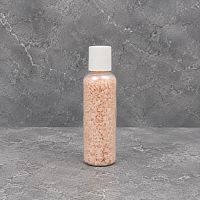
Formulators incorporate the extract into serums, creams, toners, masks and hair care lines where it supports skin barrier functions through its natural lipid profile. Rosehip CO2 Extract 5 g allows small-scale testing before committing to bulk orders for continuous manufacturing.
Role for Supplement and Food Manufacturers
International buyers purchase the concentrate as botanical raw material for dietary supplements and the food industry, including functional beverages, confectionery and enriched oil blends. Factories and private producers worldwide source it wholesale and retail to create nutritional products that rely on plant-derived carotenoids without synthetic additives. Extracts Wholesale provides access to varied options for large-scale output.
Example Hair and Scalp Care Formulation
Shea butter 50 g, Rosehip CO2 Extract 3 g, argan oil 33 g, vitamin E 7 g, rosemary essential oil 2 ml, emulsifier 5 g. Melt the butters at 40 degrees, cool to 35 degrees, add the extract and vitamin E, blend evenly then incorporate the emulsifier and essential oil before transferring to containers.
Storage Conditions and Shelf Life
Keep the product in a cool dark location inside a tightly sealed container until December 2028. Divide the 1 kg unit into smaller working portions to limit repeated air exposure and preserve active compounds over time.
Frequently asked questions
At what temperature should the extract be added?
After the emulsion cools to a maximum of 40-45 degrees Celsius in the active phase.
Does it blend with other CO2 extracts?
Yes, it integrates well with extracts intended for hair and skin care formulations.
Is it suitable for food industry use?
Yes, as botanical raw material in dietary supplements and functional food products.