
-
 Absolutes
-
 Active Complexes
-
 Actives & Peptides
-
 Amino Acids & Proteins
-
 Food Flavors
-
 Ayurvedic Ingredients & Herbs
-
 Vitamins & Coenzymes
-
 Chocolate Making Supplies
-
 Thickeners & Gelling Agents
-
 Hydrosols & Floral Waters
-
 Hydrolyzed Proteins
-
 Fragrance Ingredients
-
 Nutraceutical Ingredients
-
 Acids, Salts, Alcohols & Alkalis
-
 Preservatives & Antioxidants
-
 Cosmetic Ingredients
-
 Colorants, Micas & Glitters
-
 Masks, Scrubs & Botanicals
-
 Oils & Butters
-
 Candle Making Supplies
-
 Melt and Pour Soap Bases
-
 Cream, Lotion & Hair Care Bases
-
 Fragrance Oils & Industrial Aromatics
-
 Cleansing Agents & Surfactants
-
 Peeling Actives & Acids
-
 Cosmetic Powders
-
 Solvents & Humectants
-
 Silicones & Conditioning Agents
-
 Bottles, Jars & Vials
-
 Silicone & Plastic Molds, Tools
-
 Botanical Extracts
-
 Cosmetic Emollients
-
 Emulsifiers
-
 Essential Oils
- Antioxidants 128
- Biocides 12
- Hydrosols (Hydrolates) 11
- Hydrocolloids for Cosmetics 10
- Others 70
- Fragrant Waters for Cosmetics 26
- Mineral Cosmetic Ingredient 196
- Functional Components 5157
- Corneotherapy 17
- Liposomes for Cosmetics 22
- Minerals 76
- pH Neutralizers/Correctors 20
- Resins and Resinoids 17
- UV and SPF Filters for Cosmetics 103
- Fruit Powders 15
- Chemical Raw Materials 156
- Enzymes, Filtrates, and Lysates 26
- Cargill France SAS – Oils and Actives 10
- BASF Cognis Care Chemicals 12
- Vitamins & Coenzymes Wholesale 160
- Bulk Waxes for Cosmetics 61
- Others Wholesale 89
- Acids, Salts, Alcohols & Alkalis Wholesale 139
- Cosmetic Ingredients Wholesale 2612
- Food grade raw materials wholesale 13
- Fruit Powders in Bulk 23
- Antioxidants bulk 1
- Acids and Alkalis Wholesale 17
- Preservatives Bulk 5
- Bulk Surfactants 3
- Emulsifiers Bulk 14
- Hydrosols Bulk 210
Acids and Alkalis Wholesale
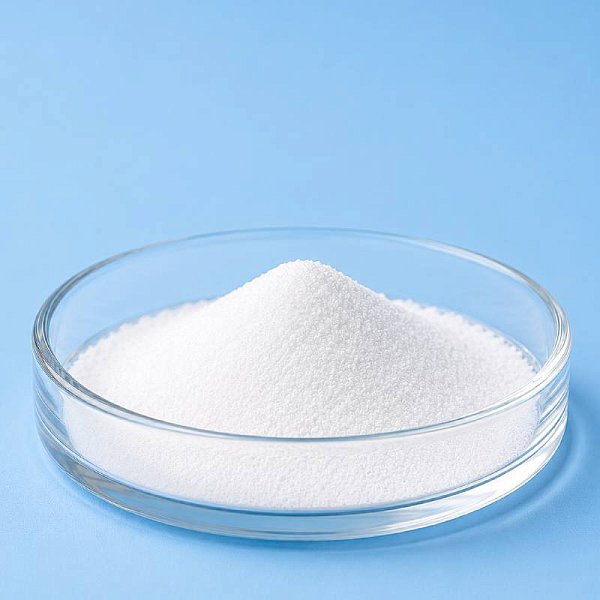
 Add to cart

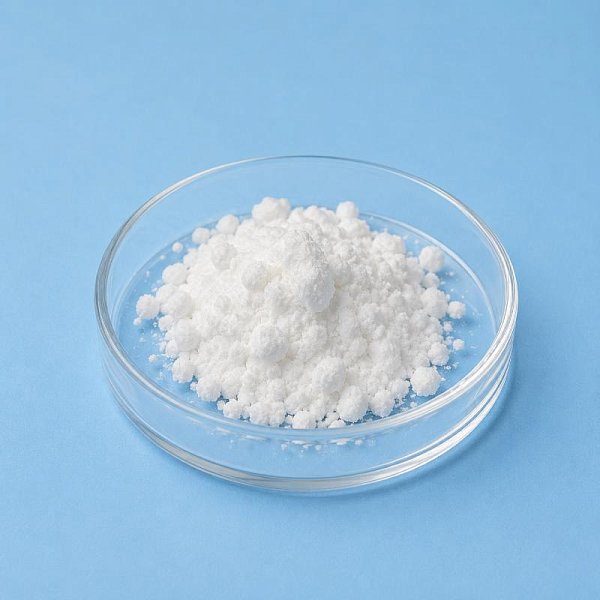
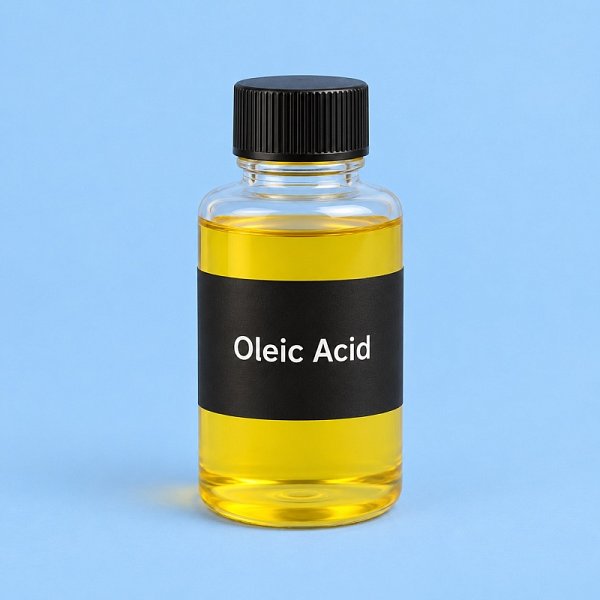
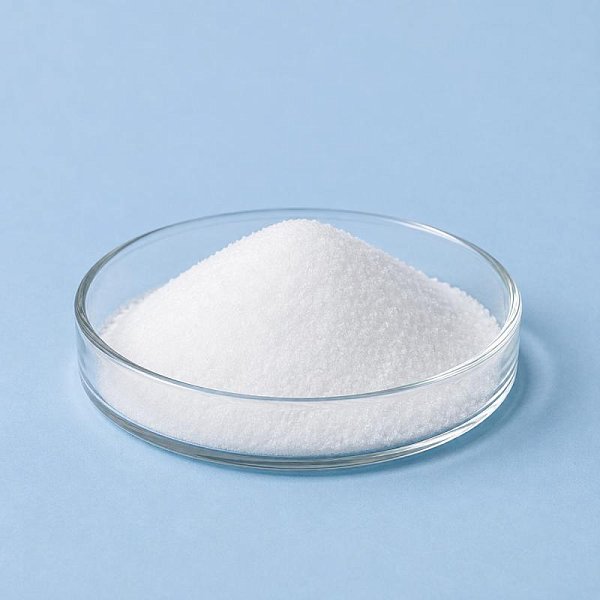
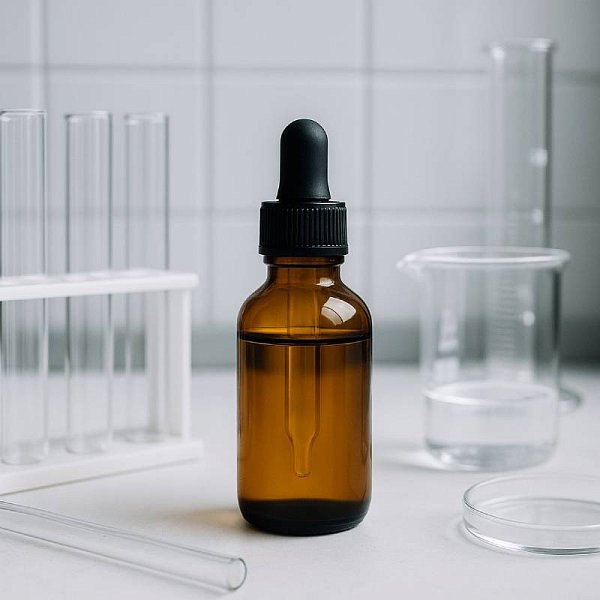
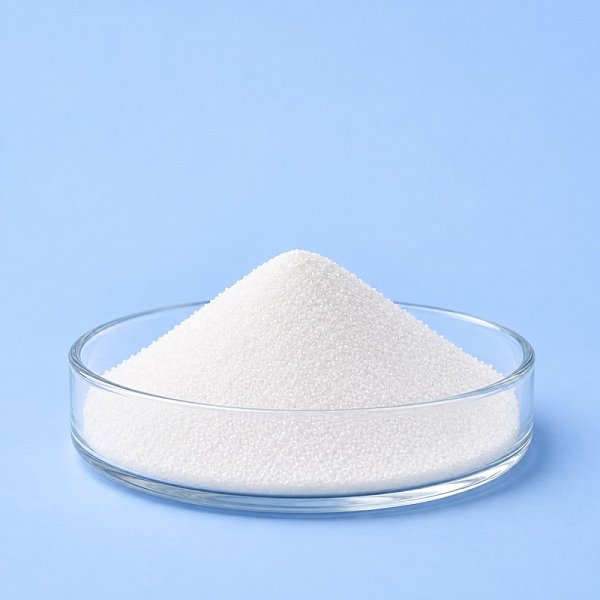
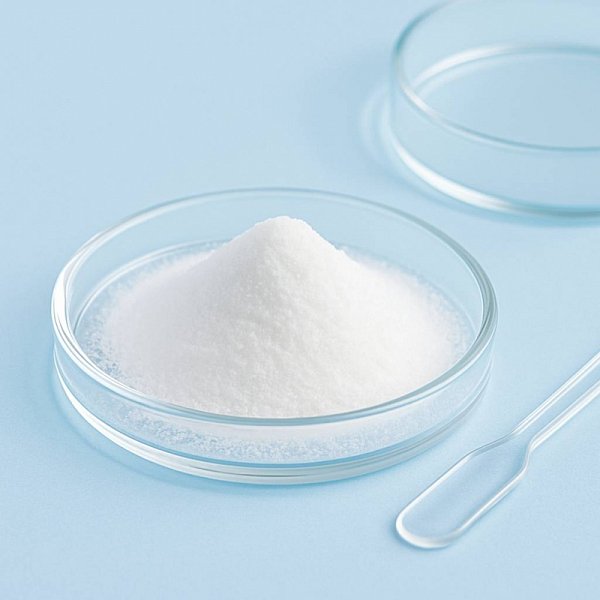
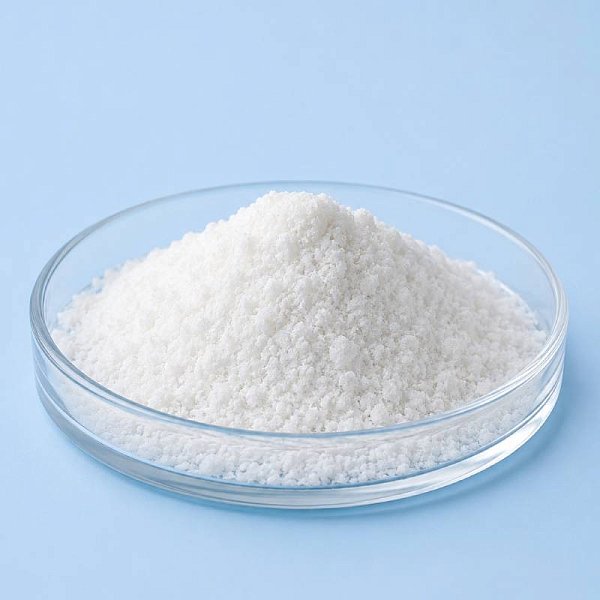
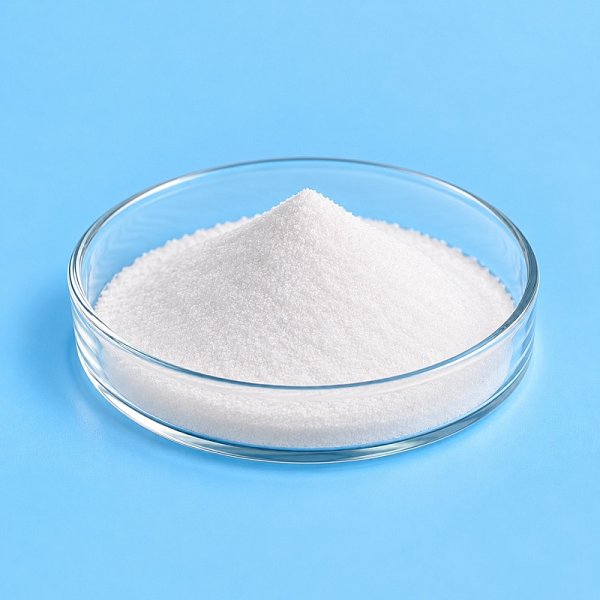
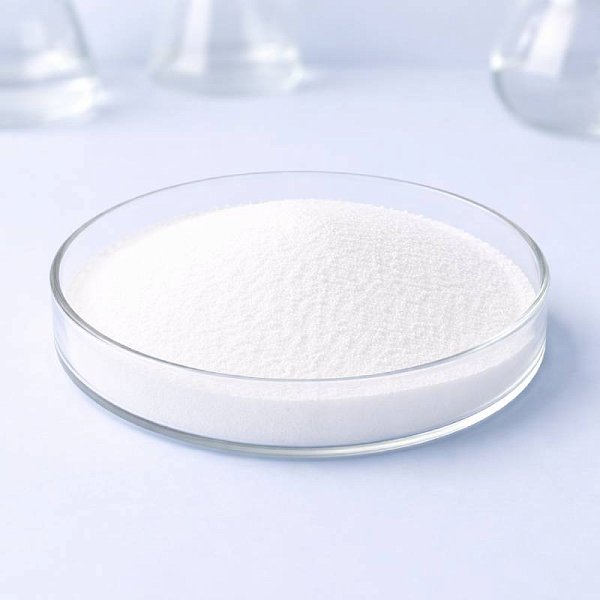
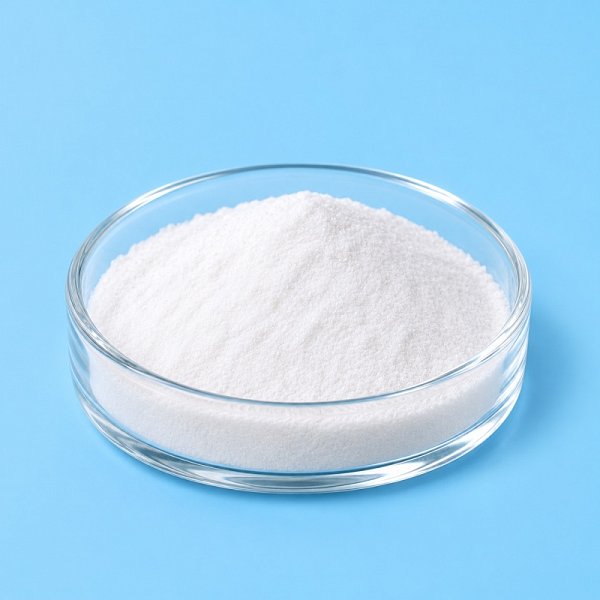
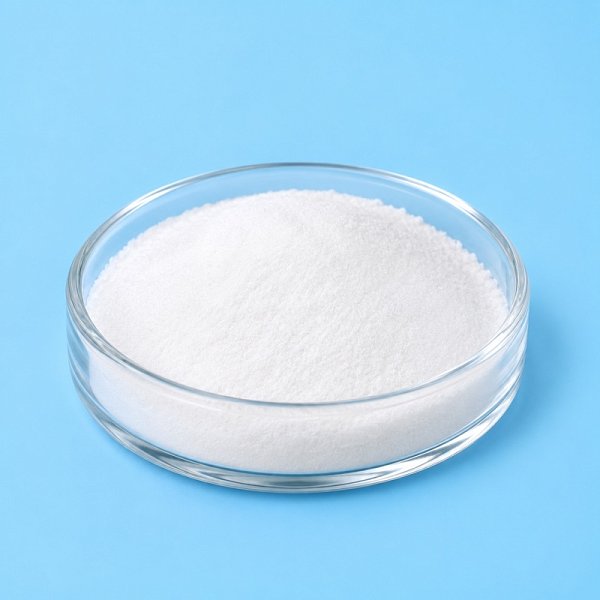
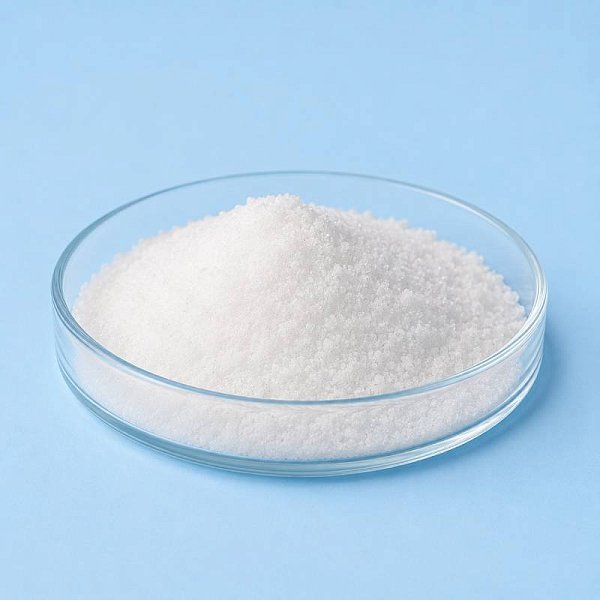
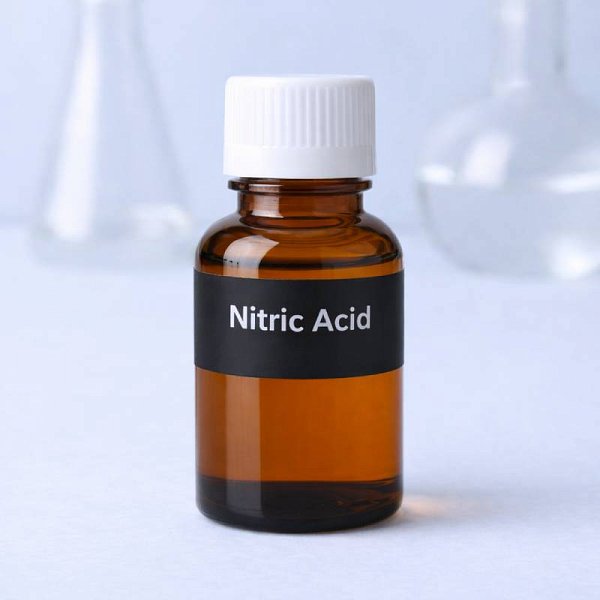
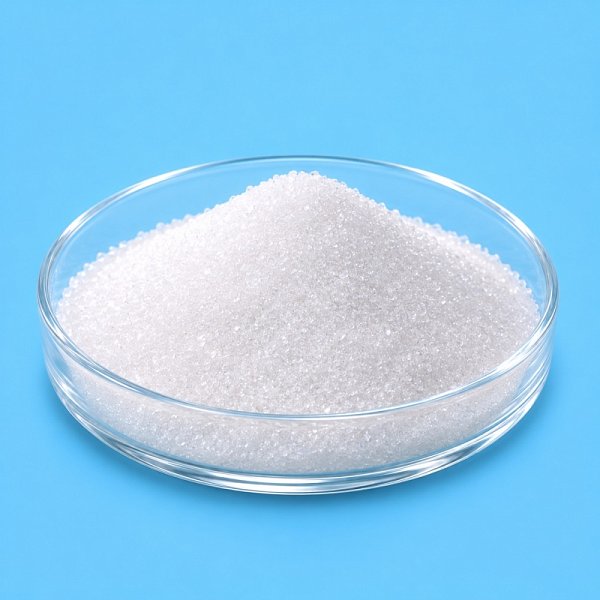
Range of acids and alkalis available
The section gathers pH-regulating and structure-building raw materials for cosmetic emulsions. Citric acid in anhydrous and monohydrate forms, lactic, glycolic and salicylic acids are complemented by lauric and oleic acids. Alkaline options include sodium hydroxide, potassium hydroxide, soda ash and sodium bicarbonate. Powder and liquid presentations allow flexible incorporation into aqueous or oil phases during mixing.
Organic acids lower pH and chelate metal ions, while fatty acids contribute to emulsion texture. Alkaline compounds neutralise excess acidity. Cosmetic Ingredients from related categories pair naturally with these materials.
Selection criteria for specific formulas
Choice depends on target pH range, sensitivity of other actives and production scale. Strong bases such as sodium hydroxide require precise dosing, whereas milder agents like sodium bicarbonate allow gradual adjustment. Particle size and solubility determine mixing speed and uniformity. Each delivery includes documentation confirming batch-to-batch consistency.
Storage recommendations for bulk quantities
Materials are kept in dry, ventilated areas in sealed containers, separated from moisture and oxidisers. Temperature control and regular packaging inspection help maintain original properties until use.
Role in emulsion and gel systems
Acidic components support emulsion stability and preservative performance. Alkaline agents balance pH after addition of other ingredients. Liquid oleic acid disperses readily in the oil phase, while powdered lauric acid suits pre-dissolution. Lauric Acid 25 kg is frequently chosen to influence final texture.
Bulk supply and quality documentation
Production volumes from 10 kg to 1 ton come with test reports and assurance of repeatable specifications. Silicon Dioxide 25 kg complements the range when building free-flowing blends.
Compatibility with functional additives
Acids and alkalis interact with waxes, silicates and resins, affecting viscosity and shelf life of finished products. Resins and Resinoids are added to formulas to enhance stability while pH is adjusted.
FAQ
How should large quantities of alkaline materials be stored?
Alkaline materials are placed in dry, ventilated storage areas away from moisture and acids, kept in original containers until required.
Is it possible to combine several acids in one formula?
Yes, provided they are added sequentially and final pH is monitored to prevent unwanted interactions.
Which presentation is easier for precise dosing?
Liquid solutions are measured by volume, while powdered forms suit weighing and subsequent dissolution.
What documentation accompanies bulk orders?
Current documents are listed in the «Documents» block of each product card.



