A Saturated Fatty Acid Behind Modern Surfactants and Formulations
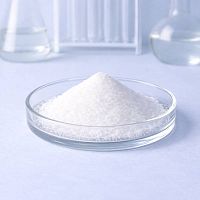
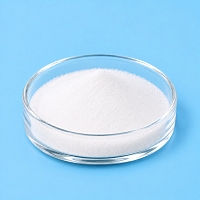
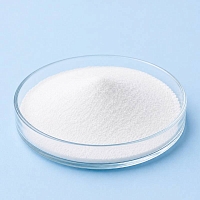
Lauric acid is a saturated fatty acid typically derived from coconut and palm kernel oil, prized across industries for its ability to build stable foam, add firmness to formulations, and act as an emulsifying agent. This item belongs to the section Acids, Salts, Alcohols, and Alkalis, which brings together related chemical compounds used in laboratory and manufacturing settings. The 50 gram package is well suited for home labs, trial cosmetic batches, and small experimental formulations where dosage needs to be tested before scaling up production.
The largest demand for lauric acid comes from the surfactant industry, where it serves as a raw material for shampoos, shower gels, and household cleaning products. Industrial chemistry relies on it for producing sodium and potassium salts, emulsifiers, and plasticizers. In food processing, fatty acids of this type appear in dairy fat substitutes and antimicrobial additives used for product preservation. The pharmaceutical sector uses lauric acid as an auxiliary component in ointment bases and capsule shells, thanks to its ability to stabilize texture and consistency.
In skincare and personal care manufacturing, the compound is introduced into creams, lip balms, solid shampoo bars, and deodorants, where it adds firmness and contributes to forming a protective film on the skin. Typical dosage ranges from 2 to 10 percent of the total formulation weight, depending on the desired consistency. It is introduced during the oil phase mixing stage at a melting temperature around 45-50 degrees Celsius, since the acid is solid at room temperature and requires melting before combining with other lipid ingredients.
Lauric acid pairs well with other organic acids in multi-component formulations. It is often combined with succinic acid, which contributes antioxidant properties, or with adipic acid, commonly used as an acidity regulator in chemical and food systems. For formulations requiring additional moisture-supporting function, manufacturers pair it with aminoacetic acid, which helps stabilize the overall balance of the composition.
Lauric acid should be stored in a tightly sealed container, in a dry place at temperatures up to 25 degrees Celsius, away from direct sunlight and moisture. Under proper storage conditions, the product retains its properties for an extended period. Gloves are recommended when handling the raw material before it is diluted into a finished formulation.
Solid Cuticle and Nail Balm
Lauric acid 6 g
Castor oil 20 g
Beeswax 10 g
Sweet almond oil 12 g
Vitamin E oil 2 ml
Melt
the lauric acid and beeswax together over a water bath at around 50 degrees
Celsius, then stir in the castor oil, almond oil, and vitamin E until fully
combined, pour the mixture into small tins or molds, and let it set at room
temperature for at least two hours before use.