Where Tartaric Acid Really Earns Its Place at Home and in Small Production
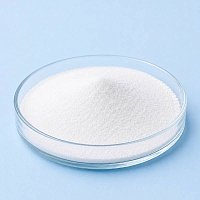
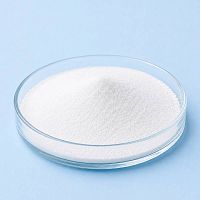
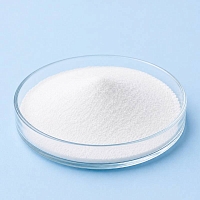
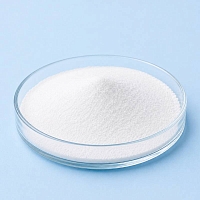
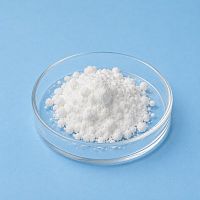
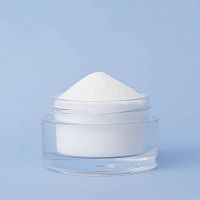
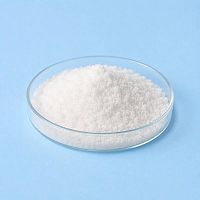
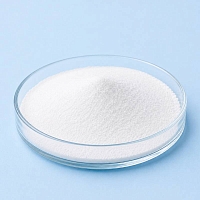
Tartaric acid is a naturally derived organic acid obtained from grape processing byproducts, and its use goes far beyond winemaking. This item belongs to the Acids, Salts, Alcohols, and Alkalis section, which brings together components for precise pH adjustment across food, household and cosmetic formulations. The 50 gram pack is sized for home use, hobby batches and quick recipe testing, giving enough material for dozens of applications while remaining easy to store without spoilage.
The strongest global demand for tartaric acid comes from the food industry, where it acts as a leavening agent component, stabilizes whipped egg whites, and appears in soft drinks, candy, jams and effervescent tablets. Combined with an alkaline partner such as Sodium Bicarbonate 500 g, tartaric acid triggers a neutralization reaction releasing carbon dioxide — the same principle behind baking powder, fizzy bath bombs and homemade descaling mixes. A similar reaction occurs with the more familiar Baking Soda (Sodium Bicarbonate) 500 g, which is why both are frequently purchased alongside tartaric acid in the same order.
Beyond cooking, tartaric acid is valued in household chemistry as a gentle alternative to harsh mineral acids for removing limescale, rust stains and mineral deposits, leaving no strong residual odor after cleaning. In cosmetic manufacturing it is appreciated for its mild exfoliating action on dead skin cells and its ability to stabilize the pH of creams, toners and emulsions. In pharmaceutical production it serves as an auxiliary ingredient in effervescent tablets and powders designed to dissolve active substances, among which Folic Acid 5 g is a common example — both compounds belong to the same acids group but serve different roles within a formulation.
When working with tartaric acid, dosage matters: food recipes typically require 0.5 to 2 grams per 100 grams of finished product, household cleaning mixes call for 5 to 15 grams per 100 ml of water depending on the level of buildup, and cosmetic blends rarely exceed 1 to 3 grams per 100 grams of base to avoid skin irritation. It is best introduced into a base or water cooled to room temperature, no higher than 40 degrees Celsius, since excessive heat accelerates its reaction with alkaline components and reduces its effectiveness before the mixture is ready. Store the powder in a dry, tightly sealed container away from direct sunlight and moisture, since contact with water gradually dissolves the crystals and affects their flow.
Tartaric acid blends well with citric acid, glycerin, essential oils and plant extracts, making it a flexible addition to combined formulations for home use and small-scale production. Thanks to the compact 50 gram size, this pack is ideal for testing different ratios before scaling up to larger purchases.
Homemade Effervescent Bath Fizzers
Tartaric acid 25 g
Baking soda 50 g
Sodium bicarbonate 25 g
Carrier oil 12 ml
Essential oil 4 ml
Water spray 4 ml
Sift
the tartaric acid, baking soda and sodium bicarbonate together into a dry bowl
and mix thoroughly until no lumps remain. Slowly work in the carrier oil and
essential oil with your hands until the mixture resembles damp sand. Lightly
spritz the mixture with water a few times while stirring quickly to avoid
triggering the fizzing reaction too early. Press the mixture firmly into a
mold, let it set in a cool dry place for 12 to 24 hours, then carefully unmold
and store the fizzers in a sealed jar until ready to use.