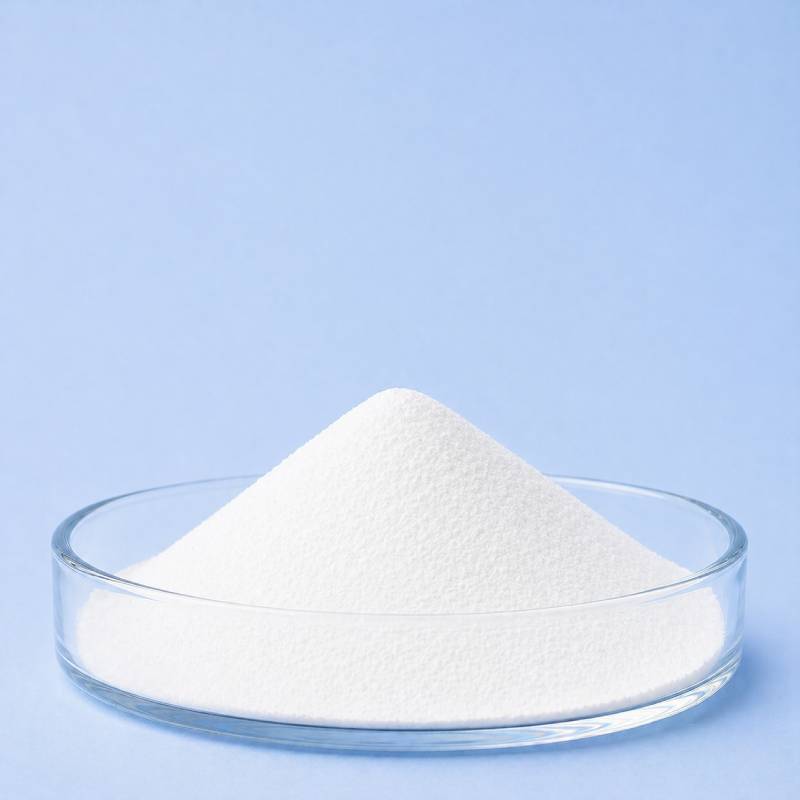
L-Arginine amino acid for cosmetic food and technical formulations
L-Arginine is used as a functional amino acid in formulations where participation in metabolic-related pathways, pH adjustment, and interaction with active components are required. It is applied in cosmetic products, food technologies, nutraceutical systems, and technical formulations due to its high water solubility and formulation versatility.
Description
L-Arginine is an amino acid involved in biochemical processes and widely used across multiple industries. It is classified as a conditionally essential amino acid and is incorporated into formulations as a functional component.
The ingredient dissolves readily in water and can be easily integrated into aqueous systems. It can be used as a standalone component or combined with other actives such as amino acid complexes, humectants, and botanical extracts.
L-Arginine is selected in formulation development where compatibility, stability in water-based systems, and multifunctional performance are required.
Where it is used
In cosmetic formulations, L-Arginine is used in creams, serums, shampoos, and products for skin and hair care. It is included in systems where hydration balance, formulation stability, and interaction with skin surface are important.
In the food industry, it is used in functional products and blends as an amino acid component.
In nutraceutical formulations, it is incorporated into powders, capsules, and other delivery systems.
In pharmaceutical-related and technical applications, it is used as an auxiliary or functional ingredient.
In manufacturing, it is included in formulations requiring amino acid-based components.
How it works
L-Arginine participates in biochemical processes and influences pH levels within formulations, making it useful for systems requiring pH adjustment and buffering.
In cosmetic systems, it supports even distribution of ingredients and contributes to maintaining formulation consistency.
In food and nutraceutical systems, it functions as an amino acid component within product compositions.
Behavior in formulation
L-Arginine is highly water-soluble and should be added to the aqueous phase. It can be used to adjust pH and stabilize formulations.
It is compatible with most water-soluble ingredients including hyaluronic acid, panthenol, niacinamide, and botanical extracts.
The ingredient remains stable across a wide pH range, although it is commonly used in neutral to slightly alkaline systems.
Dosage
The level of use depends on formulation type and intended function. Specific values are defined in technical documentation and selected according to formulation requirements.
Recipe
Hydrating serum with L-Arginine
Ingredients:
Distilled water — 85 ml
Glycerin — 5 ml
L-Arginine — 2 g
Panthenol — 2 g
Hyaluronic acid — 1 g
Aloe extract — 3 ml
Preservative — 0.8 g
Process:
Dissolve L-Arginine in water until fully dissolved. Add glycerin and mix until uniform.
Introduce panthenol and hyaluronic acid with continuous mixing until homogeneous.
Add aloe extract and preservative, then mix thoroughly. Adjust pH if required.
Allow the formulation to stabilize before use or packaging.
Conclusion
L-Arginine is an amino acid ingredient used in cosmetic, food, and nutraceutical formulations where solubility, functional flexibility, and compatibility with water-based systems are required.