-
 Absolutes
-
 Active Complexes
-
 Actives & Peptides
-
 Amino Acids & Proteins
-
 Food Flavors
-
 Ayurvedic Ingredients & Herbs
-
 Vitamins & Coenzymes
-
 Chocolate Making Supplies
-
 Thickeners & Gelling Agents
-
 Hydrosols & Floral Waters
-
 Hydrolyzed Proteins
-
 Fragrance Ingredients
-
 Nutraceutical Ingredients
-
 Acids, Salts, Alcohols & Alkalis
-
 Preservatives & Antioxidants
-
 Cosmetic Ingredients
-
 Colorants, Micas & Glitters
-
 Masks, Scrubs & Botanicals
-
 Oils & Butters
-
 Candle Making Supplies
-
 Melt and Pour Soap Bases
-
 Cream, Lotion & Hair Care Bases
-
 Fragrance Oils & Industrial Aromatics
-
 Cleansing Agents & Surfactants
-
 Peeling Actives & Acids
-
 Cosmetic Powders
-
 Solvents & Humectants
-
 Silicones & Conditioning Agents
-
 Bottles, Jars & Vials
-
 Silicone & Plastic Molds, Tools
-
 Botanical Extracts
-
 Cosmetic Emollients
-
 Emulsifiers
-
 Essential Oils
- Antioxidants 128
- Biocides 12
- Hydrosols (Hydrolates) 11
- Hydrocolloids for Cosmetics 10
- Others 70
- Fragrant Waters for Cosmetics 26
- Mineral Cosmetic Ingredient 196
- Functional Components 5157
- Corneotherapy 17
- Liposomes for Cosmetics 21
- Minerals 76
- pH Neutralizers/Correctors 20
- Resins and Resinoids 17
- UV and SPF Filters for Cosmetics 103
- Fruit Powders 15
- Chemical Raw Materials 156
- Enzymes, Filtrates, and Lysates 26
- Cargill France SAS – Oils and Actives 10
- BASF Cognis Care Chemicals 12
- Vitamins & Coenzymes Wholesale 160
- Bulk Waxes for Cosmetics 61
- Others Wholesale 89
- Acids, Salts, Alcohols & Alkalis Wholesale 139
- Cosmetic Ingredients Wholesale 2612
- Food grade raw materials wholesale 13
- Fruit Powders in Bulk 23
- Antioxidants bulk 1
- Acids and Alkalis Wholesale 17
- Preservatives Bulk 5
- Bulk Surfactants 3
- Emulsifiers Bulk 14
- Hydrosols Bulk 210
Corneotherapy

 Add to cart




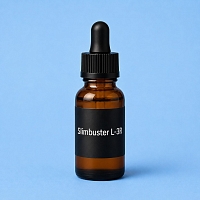
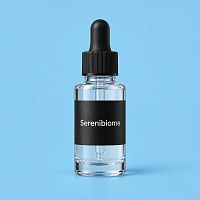
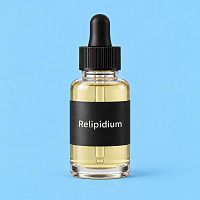
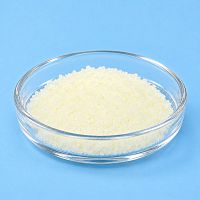
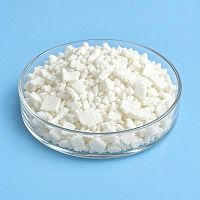
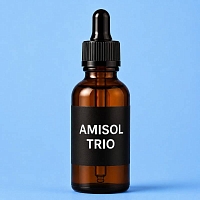
Key materials for stratum corneum support
Corneotherapy relies on ingredients that help recreate the natural lipid composition of the outer skin layer. The section offers ceramide complexes, cholesterol, free fatty acids and phytosphingosine. These are used in creams, emulsions, balms and serums where barrier reinforcement is a priority. section: Cosmetic Ingredients provides further options for complete formulas.
Differences among ceramide types and related compounds
Fractions and analogues
Some ceramides replicate specific skin lipids, while plant-derived versions offer similar molecular structures. Cholesterol helps organize the layers and free fatty acids complete the essential balance that affects emulsion behavior. Materials differ in solubility and melting points, allowing selection for light lotions or rich balms. For production volumes, it is easier to order from wholesale corneotherapy.
Supporting stabilizers
Gluconolactone Delta assists with mild pH control and stability in sensitive lipid blends without altering core properties. These auxiliaries improve compatibility of main actives within water or oil phases.
Selecting the right variant for a formula
Lightweight emulsions benefit from more fluid fractions, while richer balms require higher-melting components. The ceramide-cholesterol-fatty acid ratio is kept close to physiological levels for consistent texture and performance. in-stock bestseller product: Lactic Acid 80%, 100 g is commonly chosen for precise acidity adjustment in final blends.
Pairing with complementary ingredients
Barrier lipids combine well with waxes for texture control and with hydrolates for the water phase. section: Preservatives Bulk ensures product protection. Modern additions integrate smoothly into barrier systems as shown by available options.
Applications across product types
Materials suit daily moisturizers, post-procedure recovery items and base emulsions for sensitive skin. They work in formulations for children lines and larger production batches when ratios are maintained correctly.
Storage recommendations
Store lipid materials away from light and heat in airtight containers. Proper conditions maintain molecular integrity and prevent oxidation throughout shelf life. new arrival in stock product: Serenibiome, 5 ml illustrates how current additions fit into lipid-based systems.
FAQ
Can different ceramides be blended together?
Yes, combining several fractions helps approach the natural skin lipid profile more closely.
How does the lipid ratio affect the final product?
Higher fatty acid content tends to produce lighter textures, while added cholesterol increases richness.
Are extra stabilizers always required?
Gluconolactone provides gentle support and works well with most barrier blends.
Is phytosphingosine essential?
It strengthens matrix density and improves interaction among the main lipids.



