Product catalog
-
 Absolutes
-
 Active Complexes
-
 Actives and Peptides for Cosmetics
-
 Amino Acids
-
 Food Flavorings
-
 Ayurveda
-
 Vitamins
-
 Gelling Agents and Thickeners
-
 Hydrosols and Floral Waters
-
 Hydrolyzed Proteins
-
 Fragrant and aromatic substances
-
 Acids, Salts, Alcohols, and Alkalis
-
 Preservatives and Antioxidants
-
 Cosmetic Raw Materials
-
 Dyes, Pearlescents, and Glitters
-
 Face Masks, Scrubs, and Dried Flowers
-
 Oils, batters, macerates, oil mixtures
-
 Candle Supplies
-
 Melt and Pour Soap Bases
-
 Base for cosmetics, cream, serum, shampoo
-
 Fragrance Oils
-
 Surfactants
-
 Peelings for Skin
-
 Herbal Powders and Plant
-
 Silicones and Conditioning Surfactants for Hair
-
 Raw materials for dietary supplements
-
 Packaging for Cosmetics and Perfumes
-
 Molds, Packaging, Tools
-
 Organic Extracts
-
 Emollients for Cosmetics
-
 Emulsifiers
-
 Essential Oils
Мастер классы, рецепты, советы


Ниацинамид в формуле как не испортить актив и сохранить эффективность
Эта статья является подробным руководством для тех, кто хочет создавать домашнюю косметику с ниацинамидом (витамином B3). В ней детально описываются ключевые факторы, влияющие на стабильность и эффективность этого актива, такие как правильный pH, температурный режим и совместимость с другими компонентами. Статья предоставляет три подробных рецепта для разных типов кожи, а также рекомендации по использованию и хранению готовых продуктов. Особое внимание уделяется частым ошибкам при смешивании и способам их избежать, чтобы каждый мог создать безопасное и действенное средство, превосходящее промышленные аналоги по свежести и чистоте состава.
Гид по гиалуроновой кислоте в косметике
Эта статья является полным руководством по использованию гиалуроновой кислоты в косметике. Она подробно раскрывает, что такое гиалуроновая кислота, как она работает на клеточном уровне и какие различия между ее высокомолекулярной и низкомолекулярной формами. Статья объясняет, как выбрать правильный тип гиалуроновой кислоты для разных косметических продуктов и типов кожи. В ней представлены три детальных рецепта для домашнего изготовления: увлажняющей сыворотки, крема-флюида и восстанавливающего спрея. Также предоставляются исчерпывающие рекомендации по правильному применению, хранению и преимуществам домашней косметики с гиалуроновой кислотой над промышленными аналогами.
Эмульгаторы классификация свойства применение в кремах и сыворотках
Эта статья является всесторонним и подробным руководством из мира эмульгаторов, которые являются ключевым компонентом для создания стабильных эмульсий в кремах и сыворотках. В материале подробно рассматривается классификация эмульгаторов (натуральные, синтетические, анионные, катионные, неионные), их уникальные свойства и функциональные особенности, а также рекомендации по выбору различных эмульсий (прямых и обратных). В статье содержатся практические примеры применения, позволяющие новичкам и опытным кремоварам понять, как правильно сочетать эмульгатор с масляной и водной фазами для достижения желаемой текстуры и стабильности продукта. Особое внимание уделено преимуществам домашнего кремоварения и пользы использования высококачественных эмульгаторов по сравнению с промышленными аналогами.


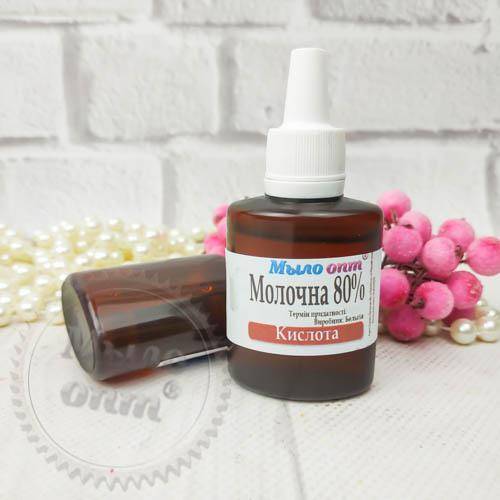
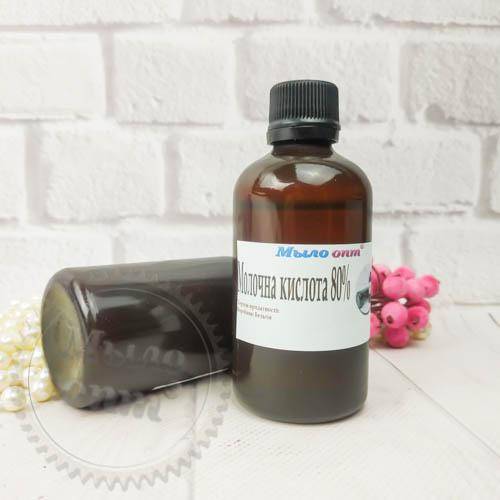
 Add to cart
 Buy in 1 click

 Add a review
 To favorites
 To compare