A Versatile Crystalline Powder Bridging Kitchen, Cleaning, and Cosmetic Labs
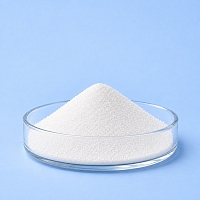
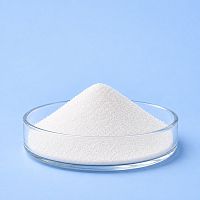
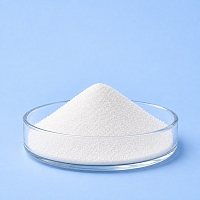
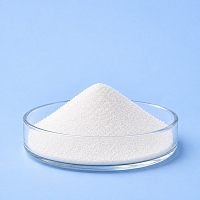
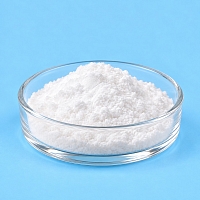
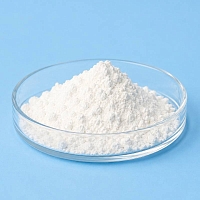
Citric acid supplied in a 500 gram pack is one of the most widely traded organic acids in the world, produced through fermentation of natural sugars and valued across food processing, household cleaning, and personal care manufacturing. Its combination of low cost, strong chelating ability, and mild acidity has made it a staple raw material in countless production lines globally. This product belongs to the Acids, Salts, Alcohols, and Alkalis category, which brings together reagents used for pH adjustment, cleaning formulations, and chemical stabilization.
The largest share of global demand for citric acid comes from the food and beverage sector, where it functions as an acidity regulator, natural preservative, and flavor enhancer in soft drinks, confectionery, jams, and canned goods. Typical dosage in beverage formulations ranges from 0.5 to 3 grams per liter depending on the target tartness. Household cleaning is another major application: the powder dissolves limescale in kettles and washing machines, softens hard water, and appears in dishwasher tablets and descaling solutions, usually at concentrations of 15 to 25 grams per liter of water for effective removal of mineral deposits.
In cosmetic manufacturing, citric acid is added as a pH adjuster in creams, shampoos, toners, and serums, and it also works as a gentle exfoliant in facial and body peeling products. It should be introduced at the final stage of emulsion preparation, at a temperature not exceeding 40 degrees Celsius, to avoid breaking down heat-sensitive actives and triggering unwanted reactions. A standard dosage for adjusting the final pH of a finished product is around 0.1 to 0.5 grams per 100 grams of base, with the pH always checked after the formulation has fully cooled.
Citric acid pairs well with other acids and salts from the same category: combined with tartaric acid, it is a classic base for fizzing bath bombs and effervescent tablets, where the reaction with baking soda produces the characteristic foaming and carbon dioxide release. In preserving formulations and certain industrial blends, it is often paired with boric acid for an enhanced preserving effect. In adhesive production and as a buffering agent it is also combined with borax, particularly in slime and polymer gel recipes, where the acid helps control viscosity and texture.
A 500 gram pack suits both home use - preserving, appliance descaling, and small-batch cosmetic production - and workshops with steady consumption for making bath bombs, scrubs, and cleaning products. Store the powder in a tightly sealed container in a dry room at room temperature, away from direct sunlight and moisture sources, since the substance is hygroscopic and tends to clump when exposed to humid air.
Citrus Fizz Bath Bombs
Baking soda 200 g
Citric acid 100 g
Corn starch 50 g
Grapeseed oil 30 ml
Sweet orange essential oil 10 ml
Powdered food color 2 g
Isopropyl alcohol 15 ml
Combine
the dry ingredients - baking soda, citric acid, corn starch, and powdered color
- in a large bowl, breaking up any lumps thoroughly. In a separate container
mix the grapeseed oil with the orange essential oil and pour it into the dry
blend, stirring continuously. Mist the mixture with isopropyl alcohol a little
at a time until it reaches a texture like damp sand that holds its shape when
pressed in your hand. Pack the mixture firmly into bath bomb molds, press both
halves together, and let them dry for 24 to 48 hours in a cool, dry spot before
carefully releasing them from the molds.