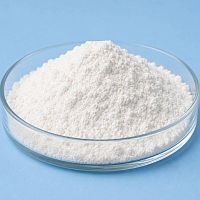
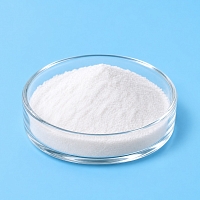
Practical Uses of Boric Acid Around the House, Garden, and Workshop
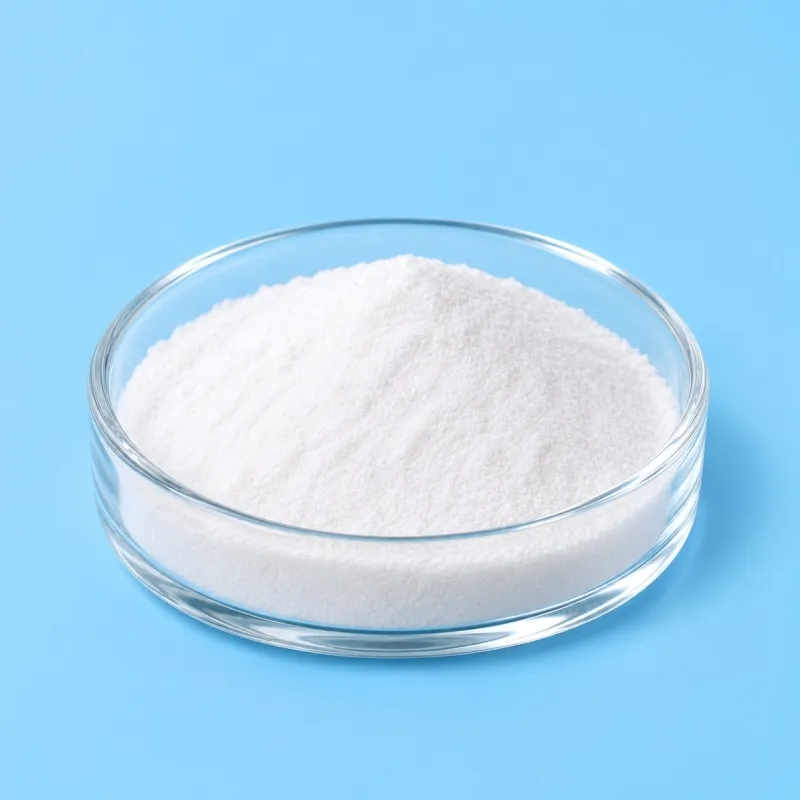
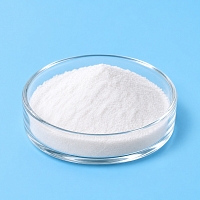
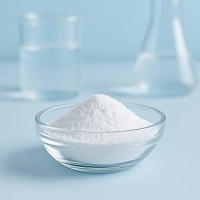
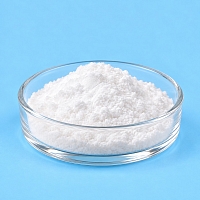
Boric acid in a 20 gram pack is a convenient option for anyone looking for a reliable inorganic compound for targeted household, garden, or workshop tasks without buying a large container. This compound belongs to the broad group of substances presented in the Acids, Salts, Alcohols, and Alkalis section, which brings together both mineral and organic acids for a wide range of industries, from food production to industrial chemistry. Worldwide demand for boric acid is driven primarily not by cosmetics but by household pest control, gardening, and electronics, so it makes sense to look at it from that angle first.
The most widely known and searched application of boric acid is as a homemade bait against cockroaches and ants. The powder is mixed with sugar, starch, or egg yolk, rolled into small pellets, and placed where insects gather. The active compound disrupts the digestive system of insects, while the powder itself has no strong odor and does not stain surfaces, making it convenient for use in kitchens, pantries, and outbuildings. The second most common area of use is gardening and horticulture. A diluted water solution of boric acid is used as a foliar feed, especially for plants sensitive to boron deficiency such as grapevines, tomatoes, orchids, and fruit trees during flowering. Correct dosing matters here: an excess of boron is just as harmful as a deficiency, so the solution should always be prepared at low concentration and applied no more than once or twice per season.
In electronics and soldering work, boric acid has traditionally been used as an ingredient in flux mixtures, particularly when working with copper and brass parts, helping solder spread more evenly and cleanly. In laboratory practice and school chemistry classes, the compound is used to prepare buffer solutions and demonstration experiments, since it stores reliably, is easy to measure out, and reacts predictably with other substances. Boric acid is also traditionally applied to treat wood and textiles against mold and fungus, and it appears in preservation blends for archival paper and museum items, where a mild cleansing effect without aggressive action on the material is needed.
In small quantities, the substance has historically appeared in certain household cleansing solutions for surfaces and tools, though today more modern and regulated compounds are typically used for such purposes instead. When working with boric acid, it is important to follow accurate dosing, avoid mixing it indiscriminately with strong oxidizers, and store the powder in a dry, tightly sealed container away from food and out of reach of children and pets. The 20 gram size is well suited exactly for such targeted household tasks and small trial batches, whether it is an insect bait, a single feeding for houseplants, or flux for one soldering project, without the need to store leftover material.
Looking at the section as a whole, it brings together substances of very different chemical nature and purpose: alongside boric acid you will find folic acid, used in food and cosmetic formulations, the organic tartaric acid, applied as an acidity regulator and a component of household cleaning blends, and the gentle lactobionic acid, favored in skin care formulas. This variety allows choosing exactly the reagent needed for a given task without overpaying for excess volume.
Soldering flux paste for small copper and brass work
Boric acid 8 g
Isopropyl alcohol 40 ml
Distilled water 10 ml
Dissolve the boric acid in warm distilled water, stirring until the crystals fully disappear, then slowly add the isopropyl alcohol while stirring continuously until the mixture turns into a smooth, slightly thick paste. Transfer the paste into a small sealed jar and apply a thin layer to copper or brass joints with a brush right before soldering to help the solder flow evenly. Prepare only the amount needed for one session, keep the jar tightly closed between uses, and store it away from open flame and direct heat sources.