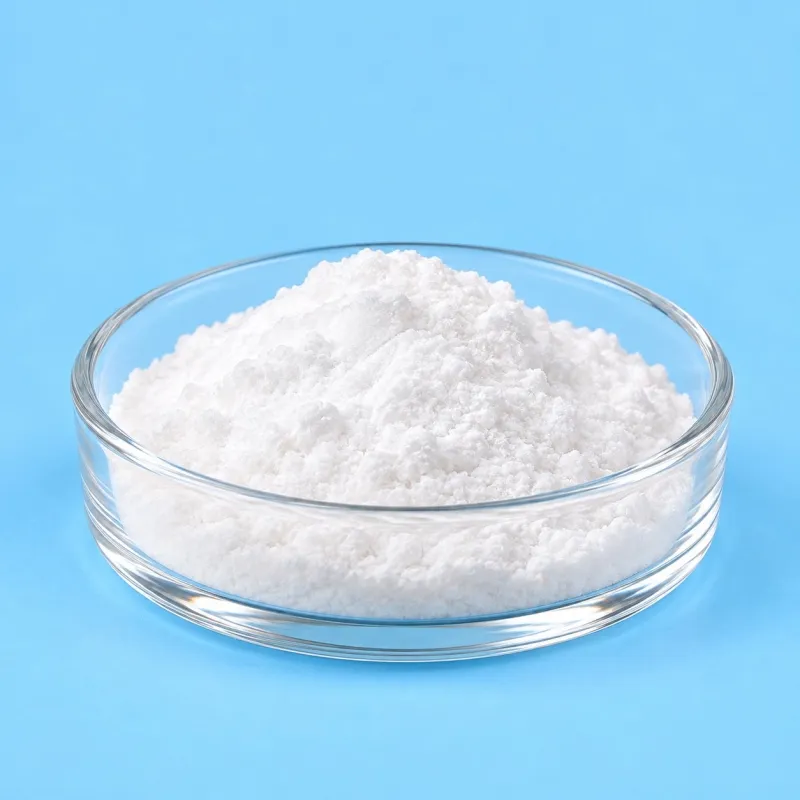
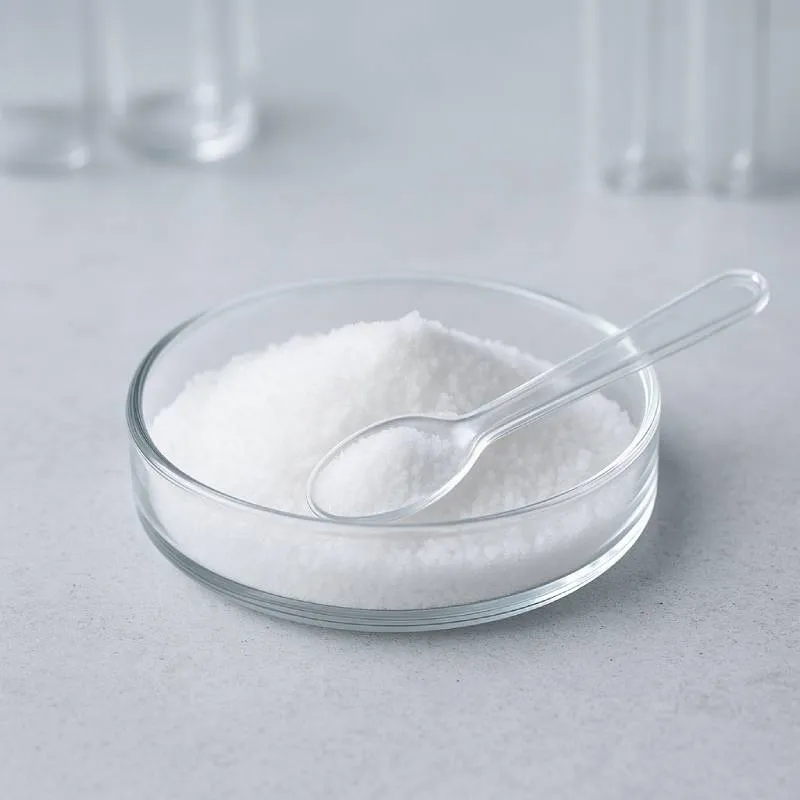
Adipic Acid for Professional Cosmetic Manufacturing Polymer Production and Advanced Industrial Technologies
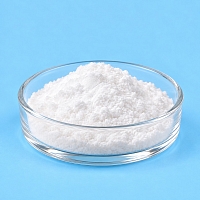
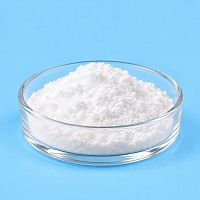
Adipic Acid is a high-purity organic dicarboxylic acid recognized as one of the most important intermediates in modern chemical manufacturing. Although the overwhelming majority of global production is consumed by the Polyamide 6,6 (Nylon 6,6) industry, the ingredient is also widely utilized in cosmetic manufacturing, food technology, pharmaceutical production, laboratory research and specialty industrial chemistry. Its excellent purity, predictable chemical behavior and broad compatibility with industrial formulation systems make Adipic Acid an essential raw material for manufacturers operating in international markets.
The polymer industry represents the largest consumer of Adipic Acid worldwide. The material is used to manufacture Nylon 6,6, engineering plastics, synthetic fibers, industrial textiles, automotive components, electrical insulation materials, packaging products and advanced composite materials. These applications account for the majority of worldwide demand and continue to position Adipic Acid among the most important raw materials used in global polymer production.
Within the cosmetic industry, Adipic Acid functions as a specialized formulation ingredient incorporated into selected cosmetic technologies. Manufacturers use it in cleansing products, cosmetic gels, emulsions, facial creams, professional skin care formulations and specialty personal care products where formulation consistency and controlled processing characteristics are required. Its high purity allows seamless integration into modern manufacturing processes while maintaining excellent compatibility with numerous cosmetic ingredients.
Adipic Acid demonstrates outstanding compatibility with Citric Acid, Lactic Acid, Succinic Acid, Tartaric Acid, Glycerin, Propanediol, Sorbitol, Carbomer, Hydroxyethylcellulose, Xanthan Gum, cosmetic emulsifiers, rheology modifiers, stabilizers, water-soluble polymers and advanced preservative systems. This broad formulation compatibility provides cosmetic chemists with exceptional flexibility when designing innovative skin care products and multifunctional cosmetic systems.
Food processing is another major commercial application. Adipic Acid serves as an acidity regulator and processing ingredient in beverages, gelatin desserts, powdered food systems, confectionery products and specialty food formulations where manufacturing consistency and controlled acidity are essential quality parameters.
Pharmaceutical manufacturers utilize Adipic Acid as a processing aid in selected dosage forms and specialized pharmaceutical technologies. Research laboratories, universities and scientific institutes also employ the material for analytical chemistry, organic synthesis, materials science and development of new industrial compounds, making it an important reagent for both industrial and academic research.
Industrial and household chemical manufacturers incorporate Adipic Acid into selected cleaning products, specialty processing chemicals and technical formulations where stable chemical performance, manufacturing reproducibility and reliable processing behavior are required. Its versatility enables efficient integration into numerous industrial production systems.
During cosmetic manufacturing, Adipic Acid is typically introduced gradually into the aqueous phase while maintaining continuous mixing. Solubility increases with temperature, allowing efficient incorporation into the formulation. Careful pH adjustment and adherence to recommended processing parameters help ensure consistent product stability and manufacturing performance.
The combination of exceptional chemical purity, outstanding industrial versatility, reliable formulation compatibility and strong global demand has established Adipic Acid as one of the most valuable raw materials for cosmetic manufacturing, polymer production, food processing, pharmaceutical technology, laboratory research and advanced industrial innovation.
Example formulation for a facial cleansing gel
Distilled Water - 78 g
Glycerin - 5 g
Betaine - 4 g
Adipic Acid - 0.5 g
Carbomer - 0.4 g
D-Panthenol - 2 g
Preservative - 0.8 g
Sodium Hydroxide Solution - adjust to pH 5.5-5.8
Dissolve Glycerin, Betaine and Adipic Acid in distilled water under continuous mixing. Gradually disperse Carbomer into the solution and neutralize with Sodium Hydroxide Solution until a clear gel forms. Add D-Panthenol and the preservative, then continue mixing until a homogeneous and stable cosmetic gel is obtained.
Thanks to its exceptional purity, broad industrial compatibility, excellent processing characteristics and worldwide commercial importance, Adipic Acid remains one of the most valuable raw materials for cosmetic technology, polymer manufacturing, food production, pharmaceutical processing and next-generation industrial formulation development.