Key Building Block Bridging Industrial Chemistry and Food Production
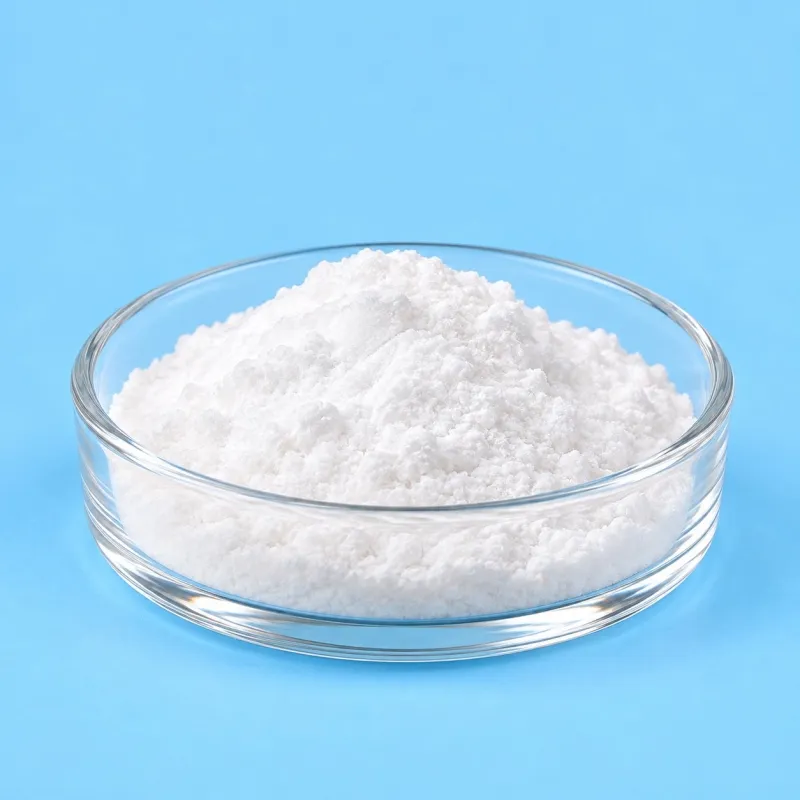
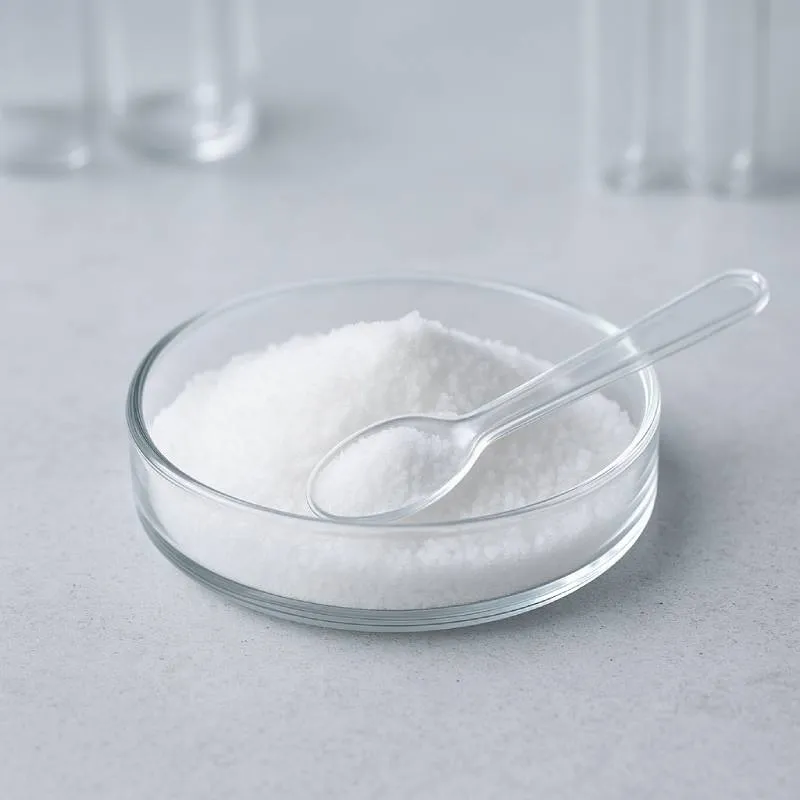
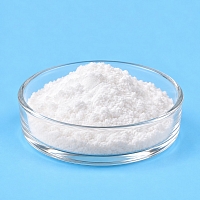
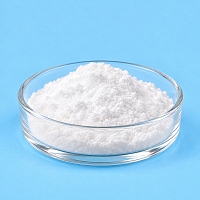
Adipic acid is one of the most widely used dicarboxylic acids across global industry, valued for its versatility in chemical synthesis, food processing, and household applications. This product belongs to the category of Acids, Salts, Alcohols, and Alkalis, which brings together reagents essential for manufacturing, pH regulation, and laboratory work. The 1 kg packaging suits small workshops, laboratories, and studio-scale producers who need a reliable quantity for regular batch production without committing to bulk industrial volumes.
The largest share of global demand for adipic acid comes from the chemical manufacturing sector, where it serves as a key raw material for producing nylon fibers, polyurethane foams, and synthetic resins used in textiles, automotive parts, and packaging. Another major application lies in the food industry, where the acid functions as an acidity regulator and leavening agent, providing a stable sour environment in beverages and ensuring even rising in baked goods. Household chemistry also relies on this compound, particularly in descaling formulas designed to dissolve mineral deposits from kettles, boilers, and industrial heating equipment.
In effervescent tablet and soluble powder manufacturing, adipic acid reacts with bicarbonates to produce a controlled release of carbon dioxide upon contact with water, making it valuable for pharmaceutical and nutritional formulations. Within cosmetic manufacturing, the compound acts as a buffering agent that stabilizes the pH of emulsions and aqueous phases, and it also appears in exfoliating formulations. When designing multi-acid blends, adipic acid pairs well with more specialized reagents such as oxalic acid for technical cleaning applications, or with glycyrrhizic acid when the formula targets soothing skincare products.
For most formulations, adipic acid should be introduced during the water-phase preparation stage at temperatures between 40 and 60 degrees Celsius, with dosages ranging from 0.1 to 2 percent of the total formula weight depending on the desired acidity level. Food and technical formulations may require higher concentrations according to specific production standards. The compound dissolves readily in warm water and blends well with other organic acids, including mandelic acid, allowing manufacturers to build combined acid complexes for cosmetic or cleaning products.
Storage should take place in a tightly sealed container, in a dry area at room temperature, away from moisture and direct sunlight, which preserves the compound's stability throughout its shelf life.
Homemade Effervescent Cleaning Powder
Adipic acid 40 g
Baking soda 60 g
Citric acid 20 g
Combine
the adipic acid, baking soda, and citric acid in a dry mixing bowl, blending
thoroughly until the powder reaches a uniform consistency. Store the finished mixture
in an airtight container, and use one to two tablespoons dissolved in warm
water to clean sinks, drains, or descale small kitchen appliances, rinsing
thoroughly afterward with clean water.