
-
 Absolutes
-
 Active Complexes
-
 Actives & Peptides
-
 Amino Acids & Proteins
-
 Food Flavors
-
 Ayurvedic Ingredients & Herbs
-
 Vitamins & Coenzymes
-
 Chocolate Making Supplies
-
 Thickeners & Gelling Agents
-
 Hydrosols & Floral Waters
-
 Hydrolyzed Proteins
-
 Fragrance Ingredients
-
 Nutraceutical Ingredients
-
 Acids, Salts, Alcohols & Alkalis
-
 Preservatives & Antioxidants
-
 Cosmetic Ingredients
-
 Colorants, Micas & Glitters
-
 Masks, Scrubs & Botanicals
-
 Oils & Butters
-
 Candle Making Supplies
-
 Melt and Pour Soap Bases
-
 Cream, Lotion & Hair Care Bases
-
 Fragrance Oils & Industrial Aromatics
-
 Cleansing Agents & Surfactants
-
 Peeling Actives & Acids
-
 Cosmetic Powders
-
 Solvents & Humectants
-
 Silicones & Conditioning Agents
-
 Bottles, Jars & Vials
-
 Silicone & Plastic Molds, Tools
-
 Botanical Extracts
-
 Cosmetic Emollients
-
 Emulsifiers
-
 Essential Oils
Soap Base Germany
 Add to cart



 Subscribe

Why crafters choose German glycerin bases
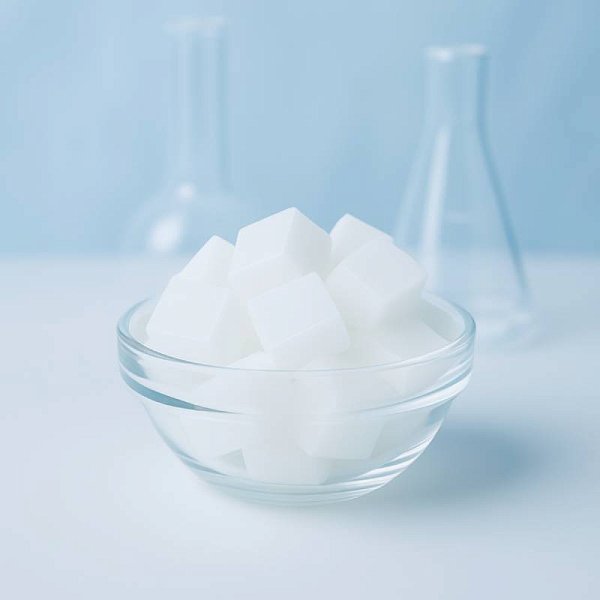
This section covers glycerin and shea based soap bases manufactured in Germany, supplied as blocks ready for melting and pouring. Available in transparent, white and shea variants, these bases form the starting point for handmade bars, embed soaps, guest soaps and layered designs. Each block is formulated for a clean melt and predictable set time.
German bases are valued in workshops that need consistent results across large batches, since a stable formula reduces sweating, cracking and uneven color distribution when scaling up production. They work equally well for small home studios experimenting with a single mold or for manufacturers running continuous production lines. Many buyers pair them with bases from other origins depending on the finish they want, and those looking for a different texture or price point often browse Melt and Pour Soap Base England or the wider Melt and Pour Soap Bases Wholesale selection to compare options side by side.
Types and how they differ
Transparent glycerin blocks let color and embedded objects show through clearly, making them the go to choice for layered bars and decorative inclusions. White bases rely on titanium dioxide for a solid, opaque finish that suits simple painted or stamped designs. Shea variants add a richer feel to the lather and a slightly softer texture, which many crafters prefer for facial and hand bars.
Beyond the German lineup, workshops often keep several origins on hand for different jobs. A batch made with Soap Base Belarus might cover everyday production runs, while Soap base France or Italian Soap Base gets reserved for premium lines with a particular scent hold or finish. Buyers focused on a specific supplier reputation sometimes go straight to Stephenson Soap Base or check what is currently listed under Soap Base Israel before settling on a final mix.
Choosing a base and building a recipe
The right block depends mostly on the finish you are after. Transparent bases favor bars with suspended botanicals or dual color pours, opaque white bases suit bold single tone designs, and shea based blocks work well when a softer skin feel matters more than visual clarity.
Once a base is chosen, it combines easily with fragrance oils, cosmetic colorants, botanical additives and skin conditioning oils added at melting stage. Specific block options worth comparing include Zetesap C11 soap base, 1 kg for a dependable everyday melt, along with Soap Base Cremer MP 701, 1 kg and Soap base Cremer MP 601 1 kg for buyers comparing formulas within the same product family before committing to a larger order.
Origin and storage
The bases listed here are manufactured in Germany and arrive as solid blocks, which keeps handling simple and reduces waste compared to loose or shredded formats. Store blocks wrapped and away from direct light and heat, since prolonged exposure can dull clarity in transparent formulas and cause slight surface sweating.
A cool, dry storage spot extends shelf life comfortably and keeps the melt behavior consistent batch after batch, which matters most for workshops running repeat production schedules rather than one off projects.
FAQ
What is the difference between glycerin soap base and regular soap base
Glycerin soap base contains a higher glycerin content, which draws moisture and gives bars a smoother, often transparent finish. Regular opaque bases rely on different fillers for hardness and lather. German glycerin blocks are prized for a clean, predictable melt suited to detailed decorative work.
How do you melt a German soap base without ruining the texture
Cut the block into even cubes and melt gently using a double boiler or short microwave bursts, stirring between intervals. Avoid boiling the mixture, as overheating can cause cloudiness or a rubbery set. Pour once the base is fully liquid but not scalding hot.
Can white and transparent glycerin bases be combined in one bar
Yes, combining white and transparent blocks is a common technique for layered and embed designs. Pour and partially cool one layer before adding the next so they bond without fully melting into each other, giving clean, defined layers.
How should glycerin soap base blocks be stored
Keep blocks wrapped and in a cool, dry place away from direct sunlight, which can cause discoloration over time. Proper storage prevents surface sweating and keeps the base ready to melt cleanly whenever a batch is planned.
Recommendations
When choosing a glycerin base for a specific project, match the variant to the finish you need: transparent for visible embeds and layered effects, white or shea based for a softer, opaque bar. Order larger blocks for continuous production runs and smaller quantities when testing a new design or color combination. For questions about a particular batch or bulk order, reach out by email and our team will help you find the right fit for your workshop.



