-
 Absolutes
-
 Active Complexes
-
 Actives & Peptides
-
 Amino Acids & Proteins
-
 Food Flavors
-
 Ayurvedic Ingredients & Herbs
-
 Vitamins & Coenzymes
-
 Chocolate Making Supplies
-
 Thickeners & Gelling Agents
-
 Hydrosols & Floral Waters
-
 Hydrolyzed Proteins
-
 Fragrance Ingredients
-
 Nutraceutical Ingredients
-
 Acids, Salts, Alcohols & Alkalis
-
 Preservatives & Antioxidants
-
 Cosmetic Ingredients
-
 Colorants, Micas & Glitters
-
 Masks, Scrubs & Botanicals
-
 Oils & Butters
-
 Candle Making Supplies
-
 Melt and Pour Soap Bases
-
 Cream, Lotion & Hair Care Bases
-
 Fragrance Oils & Industrial Aromatics
-
 Cleansing Agents & Surfactants
-
 Peeling Actives & Acids
-
 Cosmetic Powders
-
 Solvents & Humectants
-
 Silicones & Conditioning Agents
-
 Bottles, Jars & Vials
-
 Silicone & Plastic Molds, Tools
-
 Botanical Extracts
-
 Cosmetic Emollients
-
 Emulsifiers
-
 Essential Oils
- Cream Jars Wholesale 463
- Bottles for cosmetics, dispensers wholesale 1470
- Laboratory glassware wholesale 10
- Measuring Equipment Wholesale 12
- Cosmetic Containers Wholesale 1484
- Plastic containers wholesale 16
- Perfume testers wholesale 20
- Glass bottles and jars Wholesale 395
- Perfume Packaging Wholesale 517
- Diffuser bottles and reeds wholesale 25
- Metal perfume atomizers Wholesale 10


Perfume Packaging Wholesale
 Add to cart






Glass and component options for fragrance filling lines
This section brings together glass and plastic containers, caps, sprayers, pumps and reducers used to package perfumes, eau de parfum, eau de toilette and other liquid fragrance formulas. Buyers can choose from a range of bottle shapes, volumes and closure types, along with matching components such as roller balls, dropper inserts and decorative caps that complete a finished bottle.
These components serve fragrance houses, cosmetic labs and independent formulators who need reliable containers for alcohol based sprays, oil perfumes, solid perfume balms and scented body mists. The same bottles and closures also work well for concentrated aromatic blends, testers and travel size fragrance formats where a secure seal and consistent dosing matter.
Many buyers pair fragrance containers with other lab supplies, such as items from laboratory glassware wholesale for mixing and measuring formulas, or with cream jars wholesale when a fragrance line is expanded into matching body care products.
Bottle shapes and closure styles
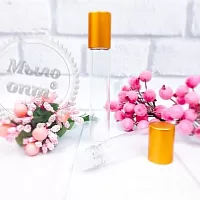
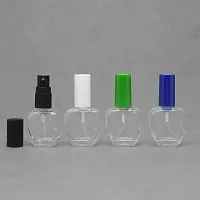
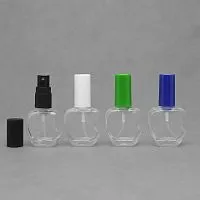
Within this category, shapes and finishes vary widely. Rounded silhouettes like the Pomegranate glass bottle, 20 ml from 100 pieces suit softer floral or fruity blends, while angular designs such as the Onyx perfume bottle, 30 ml from 100 pieces fit bolder, more structured brand lines. Smaller formats, including the Apple glass bottle, 15 ml, 100 pieces and the Venice glass bottle, 15 ml from 100 pieces, work well for sample sets, gift boxes and limited edition releases. Larger vessels such as the Rafael perfume bottle, 55 ml, 100 pieces are better suited to full size retail lines with higher fill volumes. Capsule style bottles, like the Beijing capsule bottle, 35 ml, 100 pieces, and their compact counterpart, the transparent capsule bottle, 5 ml, 10 pieces, offer a distinct silhouette for brands wanting to stand apart from classic spray formats. Closures matter just as much as the glass itself: roller ball caps on Delaware style bottles, sphere caps for controlled dabbing, and both plastic and metal sprayers each change how a formula is dispensed and how it feels in daily use.
Matching containers to formula type and production scale
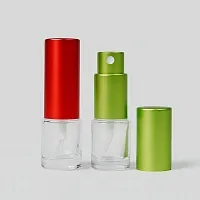
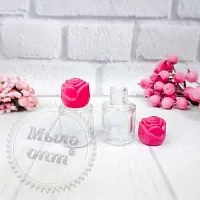
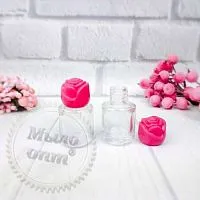
Choosing the right container starts with the formula itself. Alcohol based sprays generally call for a secure spray pump, such as the one fitted on the Delaware bottle with plastic spray, 4 ml, 10 pieces, while a metal sprayer, as on the Delaware bottle with metal spray, 4 ml from 10 pieces, tends to hold up better under repeated use and export shipping. Oil based perfumes and solid balms are usually better paired with a roller ball or sphere closure, as seen on the Delaware bottle with rose sphere screw cap, 4 ml, 10 pieces, since these formats do not need atomization and benefit from direct skin contact application. Testers, small batch releases and mini gift sets often lean on compact volumes such as the Belini perfume bottle, 30 ml, 10 pieces. Beyond the bottle and cap, formulators frequently need accurate measuring tools when blending aromatic bases, dilutions and alcohol ratios, which is where the Measuring Equipment Wholesale section becomes a practical companion for production planning.
Material origin and storage conditions
Glass and plastic fragrance components in this range come from a mix of manufacturing sources, including Ukraine, Poland, Czechia and China, giving buyers flexibility between local availability and specific finish or price points. Empty bottles and caps should be stored in a dry area away from direct sunlight and dust, ideally still sealed in their original packaging until the production line is ready to fill them. Metal spray components in particular benefit from storage away from high humidity, which helps prevent corrosion before the bottles reach the filling stage. Keeping caps, sprayers and glass bodies grouped by volume and finish type also speeds up assembly when a batch run combines several component types at once.
FAQ
What types of bottles are used for perfume filling
Fragrance filling typically uses glass bottles in various shapes and volumes, paired with sprayers, pumps or roller ball inserts. Plastic containers are also common for testers and travel formats. The right choice depends on formula concentration, dosing needs and whether the product is alcohol based or oil based.
Can the same bottle be used for both spray and oil perfumes
Some bottle shapes work for both formats, but the closure must match the formula. Sprayers suit alcohol based fragrances, while roller balls and dropper inserts are better for oil blends and solid perfume balms since they control flow without pressurizing volatile liquids.
How do I choose the right cap or closure for a fragrance bottle
Match the closure to the bottle neck size and the formula type. Sprayers need a secure crimp or screw fit to prevent leaks, while decorative caps should sit flush without affecting the seal. Testing a sample closure with your actual formula before ordering a full batch is recommended.
What bottle sizes are available for fragrance samples and testers
Smaller volumes, often under 10 milliliters, are common for testers and sample formats, while standard retail bottles range higher depending on the product line. Travel size options with secure caps are also widely used for scented mists and concentrated blends.
How should fragrance bottles and components be stored before use
Store empty bottles and closures in a dry area away from direct sunlight to prevent dust buildup and material degradation, especially for plastic components. Keep caps and sprayers separated by type until assembly to avoid mixing incompatible parts across different production batches.
Recommendations
When selecting glass or plastic containers for a fragrance line, start with the formula type since alcohol based sprays, oil blends and solid balms each call for a different closure style and material compatibility. Match bottle volume to your production batch size and consider ordering a small trial quantity of a new shape or cap before committing to a full run, so you can test the seal and dosing with your actual formula. For questions on available shapes, volumes or component pairings, reach out by email and our team will help you find a suitable match for your production line.


