-
 Absolutes
-
 Active Complexes
-
 Actives & Peptides
-
 Amino Acids & Proteins
-
 Food Flavors
-
 Ayurvedic Ingredients & Herbs
-
 Vitamins & Coenzymes
-
 Chocolate Making Supplies
-
 Thickeners & Gelling Agents
-
 Hydrosols & Floral Waters
-
 Hydrolyzed Proteins
-
 Fragrance Ingredients
-
 Nutraceutical Ingredients
-
 Acids, Salts, Alcohols & Alkalis
-
 Preservatives & Antioxidants
-
 Cosmetic Ingredients
-
 Colorants, Micas & Glitters
-
 Masks, Scrubs & Botanicals
-
 Oils & Butters
-
 Candle Making Supplies
-
 Melt and Pour Soap Bases
-
 Cream, Lotion & Hair Care Bases
-
 Fragrance Oils & Industrial Aromatics
-
 Cleansing Agents & Surfactants
-
 Peeling Actives & Acids
-
 Cosmetic Powders
-
 Solvents & Humectants
-
 Silicones & Conditioning Agents
-
 Bottles, Jars & Vials
-
 Silicone & Plastic Molds, Tools
-
 Botanical Extracts
-
 Cosmetic Emollients
-
 Emulsifiers
-
 Essential Oils
- Ingredients for Bath Bomb and Fizzer 218
- Soap Bouquet Crafting Materials 524
- Slime Supplies: Ingredients and Additives 560
- Shampoo ingredients 391
- DIY Perfume Supplies 988
- Deodorant Components 90
- Cold process soap ingredients 96
- Components for lipstick, balm, lip gloss 371
- Sun protection components 253
- Components for washing powder 62
- Bath products 88
- Ingredients for cleaning products 71
- Ingredients for Alginate Masks 36
- Shampoo Ingredients Wholesale 497
- DIY Perfume Supplies Wholesale 1052
- Chocolate Ingredients Wholesale 71
- Components for washing powder Wholesale 64


Components for washing powder Wholesale
 Add to cart





Functional raw materials for powder and granular detergent formulas
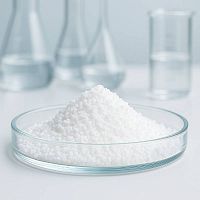
This section brings together raw materials used to build powder and granular laundry formulas: builders, fillers, whitening and bleaching agents, anti caking aids and functional powders that support texture, flow and cleaning performance. These are supplied as bulk ingredients for compounding, not as finished retail detergent.
In production, the same powders often do several jobs at once. A carbonate or sulfate filler can adjust bulk density and prevent a batch from caking in storage, while an optical brightener or bleach activator works on visual whiteness and stain removal. Formulators also lean on these components well beyond powder detergent lines, blending them into scouring pastes, dishwasher tablets, water softening blends and other granular household mixes where the same physical or chemical function is needed.
Selection usually comes down to particle size, solubility and how the component behaves alongside surfactants and enzymes already in the base formula. Some of these functional powders pair naturally with decorative or fragrance elements from a formula, similar in role to how fillers and colorants are chosen for bath bomb and fizzer ingredients, or how texture and set behavior are balanced in chocolate ingredient blends, even though the end products are entirely different.
Types of powder and granular components
Within this group, materials split roughly by function rather than appearance alone. Carbonate and sulfate based fillers exist mainly to control bulk density and flow, keeping a finished powder from clumping into a solid block in the bag. Colored and odorless granules, such as the green odorless laundry granules, the orange odorless granules and the light blue odorless granules, serve a more visual role, giving a formula the familiar speckled look buyers associate with a finished detergent while staying neutral in scent so a fragrance can be dosed separately. A darker blue odorless granule option covers formulas that need stronger visual contrast against a white powder base.
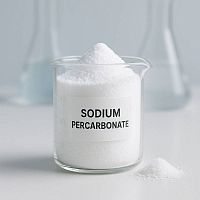
Whitening and bleach activating powders are a separate functional group again, working on stain removal and perceived brightness rather than texture, and are usually dosed at much lower percentages than bulk fillers.
Choosing a component and building a formula
Selection starts with the job the powder needs to do in the batch: bulk and anti caking behavior, color and visual contrast, or active cleaning and whitening performance. Particle size and solubility rate matter almost as much as the function itself, since a granule that dissolves too slowly can leave visible residue, while one that dissolves too fast may not survive mixing with surfactants and enzymes already in the base. These same functional powders are not limited to laundry detergent lines. Formulators use them across scouring pastes, dishwasher tablets, water softening blends and other granular household mixes, choosing fillers and colored granules for texture and appearance in much the same way ingredients are selected for cold process soap ingredients or for structuring a base like the Crystal Re batch SP-SG soap base, even though the finished products differ completely. Fragrance is almost always added separately from these odorless powders, and buyers building a scent profile from scratch often look at DIY perfume supplies or the DIY perfume supplies wholesale range to pair a compatible scent with a neutral granule base.
Origin and storage
Materials in this section come from suppliers in England and Poland. Powders and granules should be kept sealed and dry, since moisture pickup is the main cause of caking and clumping during storage, and colored granules are best kept away from direct light to preserve their appearance until they are blended into a batch.
FAQ
What is the difference between a builder and a filler in powder detergent formulas?
A builder is functionally active, softening water and boosting surfactant efficiency, while a filler mainly adjusts bulk density, flow and cost without contributing cleaning power. Most granular formulas use both together to balance performance and consistency in the finished batch.
Why does powder detergent turn hard or lumpy in storage?
Caking usually happens when moisture is absorbed by hygroscopic powders or when particle sizes are mismatched, letting fine particles bridge and compact under their own weight. Anti caking aids and correct storage humidity reduce this risk in finished granular blends.
Can whitening agents be used in formulas without bleach activators?
Yes, optical brighteners work independently of bleach chemistry since they act on light reflection rather than oxidizing stains. Many formulators combine both for different effects, but each can be used alone depending on the whiteness profile a formula needs.
Do these powders work in dishwasher tablets and scouring pastes as well as laundry formulas?
Yes, builders, fillers and functional powders from this category are commonly reused across dishwasher tablets, scouring pastes and water softening blends, since the same density control, anti caking or whitening function applies across several granular product types.
Recommendations
Match particle size and solubility to your existing base formula before scaling up, since a mismatch is the most common cause of caking or uneven mixing in the finished batch. Small production runs benefit from testing a sample against your surfactant and enzyme system first. For questions on a specific grade or to place an order, reach out to our team by email and we will help you find the right fit for your formula.



