
-
 Absolutes
-
 Active Complexes
-
 Actives & Peptides
-
 Amino Acids & Proteins
-
 Food Flavors
-
 Ayurvedic Ingredients & Herbs
-
 Vitamins & Coenzymes
-
 Chocolate Making Supplies
-
 Thickeners & Gelling Agents
-
 Hydrosols & Floral Waters
-
 Hydrolyzed Proteins
-
 Fragrance Ingredients
-
 Nutraceutical Ingredients
-
 Acids, Salts, Alcohols & Alkalis
-
 Preservatives & Antioxidants
-
 Cosmetic Ingredients
-
 Colorants, Micas & Glitters
-
 Masks, Scrubs & Botanicals
-
 Oils & Butters
-
 Candle Making Supplies
-
 Melt and Pour Soap Bases
-
 Cream, Lotion & Hair Care Bases
-
 Fragrance Oils & Industrial Aromatics
-
 Cleansing Agents & Surfactants
-
 Peeling Actives & Acids
-
 Cosmetic Powders
-
 Solvents & Humectants
-
 Silicones & Conditioning Agents
-
 Bottles, Jars & Vials
-
 Silicone & Plastic Molds, Tools
-
 Botanical Extracts
-
 Cosmetic Emollients
-
 Emulsifiers
-
 Essential Oils
- Ingredients for Bath Bomb and Fizzer 218
- Soap Bouquet Crafting Materials 490
- Slime Supplies: Ingredients and Additives 560
- Shampoo ingredients 409
- DIY Perfume Supplies 986
- Deodorant Components 90
- Cold process soap ingredients 96
- Components for lipstick, balm, lip gloss 374
- Sun protection components 259
- Components for washing powder 62
- Bath products 88
- Ingredients for cleaning products 71
- Ingredients for Alginate Masks 36
- Shampoo Ingredients Wholesale 530
- DIY Perfume Supplies Wholesale 1050
- Chocolate Ingredients Wholesale 71
- Components for washing powder Wholesale 64
Components for washing powder
 Add to cart
Read more
 Add to cart
Read more
 Add to cart
Read more
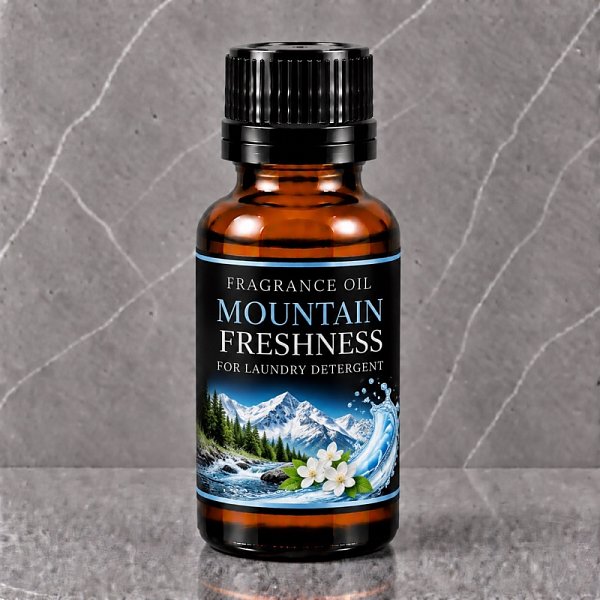
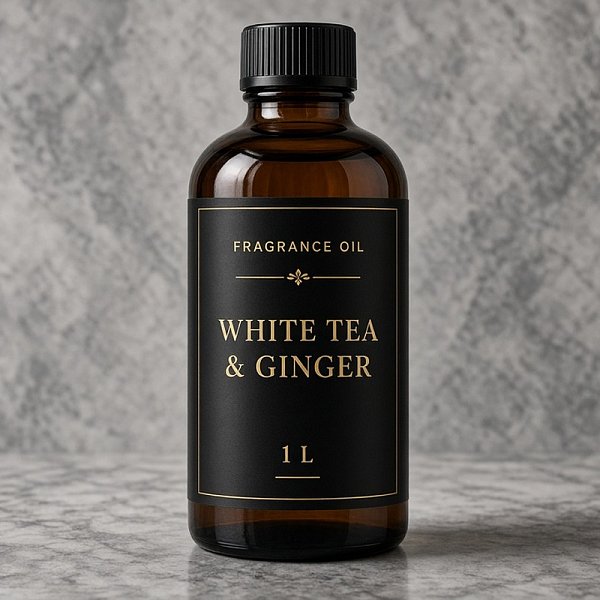
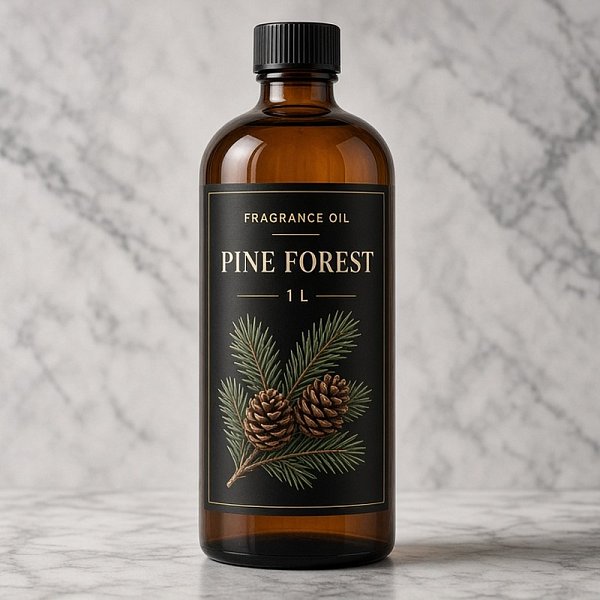
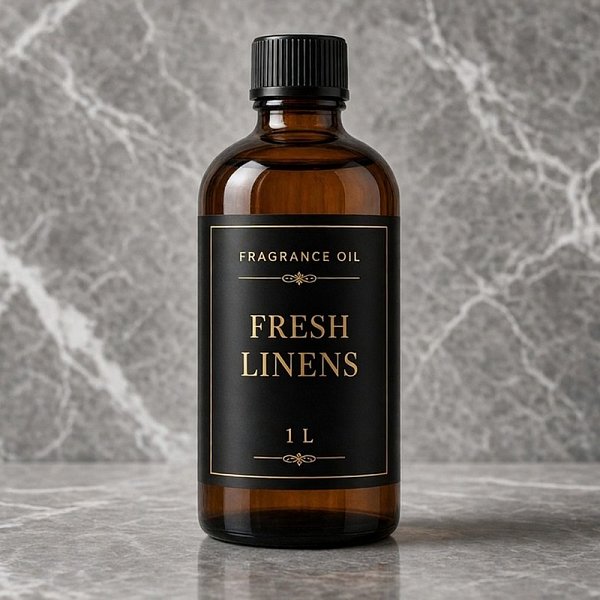


 Add to cart
Read more
 Add to cart
Read more
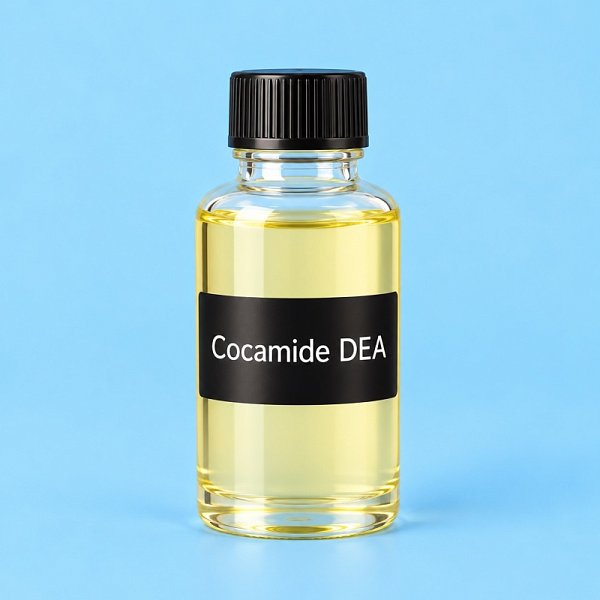
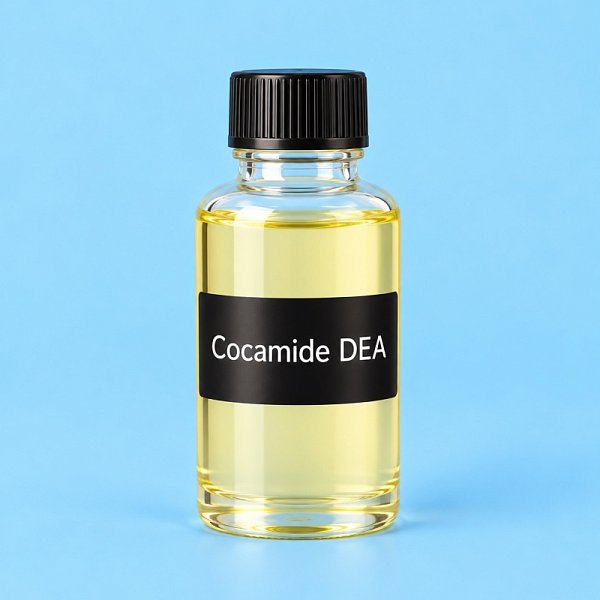
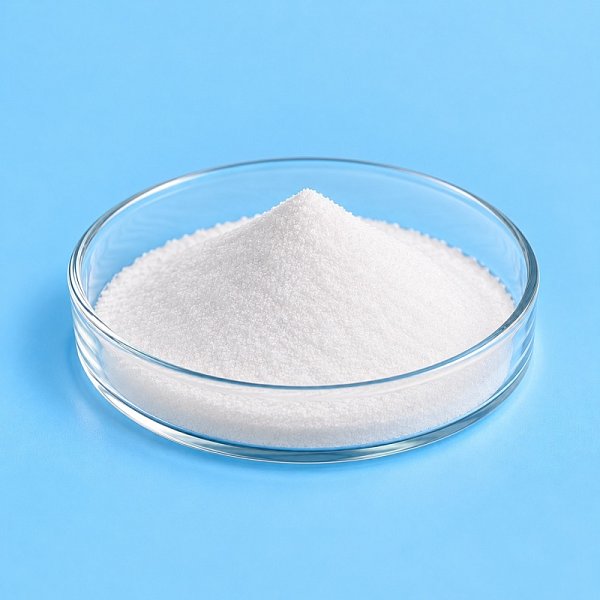

Raw materials that shape laundry formulas
This section brings together ingredients used to build both powder and liquid fabric care products. It includes surfactants, bleaching agents, anti-redeposition additives, enzymes and colored granules. Each material has a defined technical function: some lift soil, others maintain fabric brightness, and some provide color or scent. These same materials appear in gels, capsules and concentrated liquids. Formulators often combine these materials with items from the functional components section to expand recipe possibilities across household and personal care lines.
Groups of ingredients and their roles
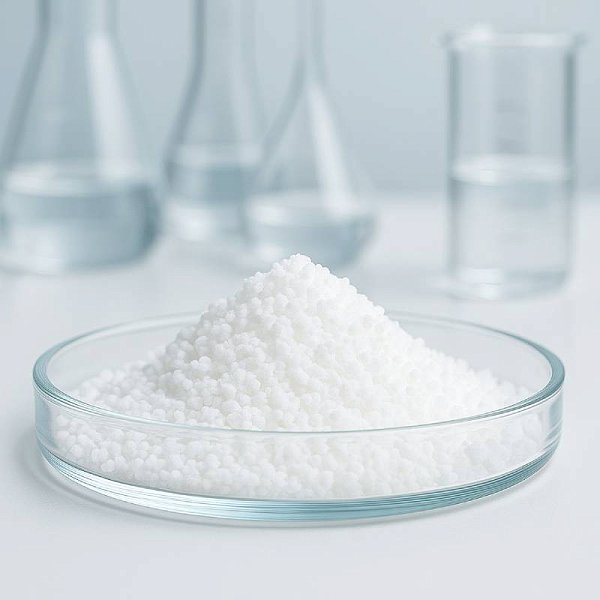
Surfactants separate soil particles and keep them suspended in wash water. Enzymes break down specific soils at moderate wash temperatures. Bleaching and optical agents stop soil from settling back and help keep fibers bright over repeated cycles. A distinct group consists of odorless granules orange, odorless granules blue and odorless granules raspberry that serve only as visual and structural fillers without adding scent. Recipes also incorporate thickeners similar to those shown in the components for washing powder wholesale section for consistent texture control.
Selecting the right materials
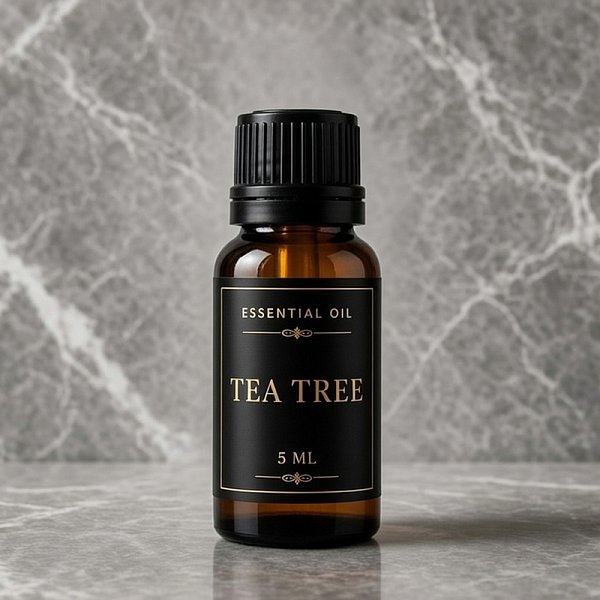
Choice depends on the target product format and desired properties. Colored granules add visual interest while tea tree essential oil 5 ml supplies fragrance. When texture control is needed, formulators turn to solutions such as Sorbitol Solution 70%, 100 ml that help adjust viscosity without altering core mixture traits. Selection starts by matching each ingredient to its primary role in the final formula.
Use across different product types
In powder blends the granules and whiteners provide even distribution and stability during storage. In liquid and gel systems the same materials regulate foam and dissolution rate for better performance. Many items are compatible with decorative projects that rely on similar coloring principles. Producers adjust proportions according to the required consistency and shelf life of the finished product while maintaining batch to batch uniformity.
Storage and batch handling
Store materials in dry conditions away from moisture and light. This preserves granule flow and enzyme activity throughout shelf life. Large batches require uniformity checks so each lot matches previous ones in solubility and color stability. Regular monitoring prevents changes in mixture behavior during prolonged storage and supports reliable production runs at any scale.
FAQ
Can granules be paired with any fragrance?
Yes, odorless granules do not affect scent, so they can be added to any chosen fragrance system without interference.
What typical level of granules is used?
Dosage depends on the desired visual effect and powder density, usually a few percent of the total batch.
Do enzymes require special handling?
Enzymes are sensitive to high temperature and moisture, so they are added late in mixing and stored separately from other components.
Are these materials suitable for liquid formulas?
Many work well in gels and liquid concentrates where they help control foam and stability across varying conditions.



