-
 Absolutes
-
 Active Complexes
-
 Actives and Peptides for Cosmetics
-
 Amino Acids
-
 Food Flavorings
-
 Ayurveda
-
 Vitamins
-
 Gelling Agents and Thickeners
-
 Hydrosols and Floral Waters
-
 Hydrolyzed Proteins
-
 Fragrant and aromatic substances
-
 Acids, Salts, Alcohols, and Alkalis
-
 Preservatives and Antioxidants
-
 Cosmetic Raw Materials
-
 Dyes, Pearlescents, and Glitters
-
 Face Masks, Scrubs, and Dried Flowers
-
 Natural Base Oils for Cosmetics
-
 Candle Supplies
-
 Melt and Pour Soap Bases
-
 Base for cosmetics, cream, serum, shampoo
-
 Fragrance Oils
-
 Surfactants
-
 Peelings for Skin
-
 Herbal Powders and Plant
-
 Silicones and Conditioning Surfactants for Hair
-
 Raw materials for dietary supplements
-
 Packaging for Cosmetics and Perfumes
-
 Molds, Packaging, Tools
-
 Organic Extracts
-
 Emollients for Cosmetics
-
 Emulsifiers
-
 Essential Oils
- Fragrance Oils from England 8
- Fragrance Oils Germany 23
- Fragrance Oils for Creams, Lotions 14
- Fragrance Oils Spain 75
- Lori Fragrance Oils (Latvia) 87
- Polish Fragrance Oils 9
- Fragrance Oil USA 370
- Ukrainian Fragrance Oils 346
- Fragrance Oils from France 183
- Fragrances for Aqueous environments (Water Soluble) 32
- Fragrances for hypoallergenic products 13
- Collection of car fragrances 11
- Home Fragrance Collection 14
- Lipstick perfume 22
- Polymer Granules for Sachets 18
- Toothpaste fragrances 2
- Fragrances for acidic environments 1
- Cold & Hot Process Soap Fragrance Oils 46
- Fragrances for washing powders 17
- Japanese Fragrance Oils 30
- Perfume compositions 944
- Perfume Fragrance Oils 942
- Fragrance Oils Wholesale 4326


Cold & Hot Process Soap Fragrance Oils

 Add to cart
















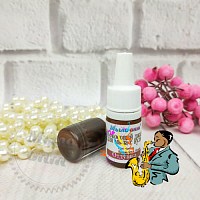








Отдушки для мыла с нуля: Высокое качество и разнообразие ароматов
В интернет-магазине Мыло Опт Украина представлен широкий ассортимент отдушек для мыла, подходящих для использования как при холодном, так и при горячем способах варки. Наши отдушки разработаны для обеспечения устойчивого аромата и отличного качества готовой продукции. Мы предлагаем высококачественные отдушки, которые делают ваше мыло не только функциональным, но и ароматным и привлекательным.
Преимущества использования отдушек в мыле
Отдушки играют важную роль в производстве мыла, так как они:
- Придают мылу приятный аромат: Отдушки делают использование мыла более приятным, добавляя различные ароматы, от свежих и цитрусовых до теплых и пряных.
- Стабильность аромата: Наши отдушки специально разработаны для сохранения аромата на протяжении всего срока службы мыла.
- Безопасность: Все наши отдушки проходят строгий контроль качества и сертификацию, что гарантирует их безопасность для кожи и здоровья.
Отдушки для мыла холодным способом
Отдушки для холодного способа варки мыла должны быть стабильными и выдерживать процесс омыления. Наши отдушки для холодного способа обеспечивают:
- Стабильность аромата: Аромат сохраняется на протяжении всего срока службы мыла.
- Совместимость с ингредиентами: Отдушки не вступают в реакцию с щелочью и другими ингредиентами, обеспечивая стабильность и однородность готового продукта.
- Разнообразие ароматов: В нашем ассортименте вы найдете ароматы для любого вкуса, от цветочных и фруктовых до древесных и пряных.
Примеры отдушек для мыла холодным способом
- Лаванда: Классический аромат, обладающий успокаивающими и релаксирующими свойствами.
- Цитрус: Свежий и бодрящий аромат, идеально подходящий для утреннего душа.
- Ваниль: Теплый и сладкий аромат, создающий уют и комфорт.
Отдушки для мыла горячим способом
Горячий способ варки мыла требует отдушек, которые могут выдерживать высокие температуры и интенсивные процессы. Наши отдушки для горячего способа варки мыла обеспечивают:
- Термостабильность: Отдушки сохраняют свои свойства при высоких температурах.
- Интенсивность аромата: Аромат остается насыщенным и стойким даже после длительного воздействия тепла.
- Широкий выбор ароматов: Мы предлагаем разнообразные ароматы, подходящие для любой мыльной основы и рецептуры.
Примеры отдушек для мыла горячим способом
- Мед и овес: Уютный и согревающий аромат, подходящий для расслабляющего вечернего душа.
- Мята и эвкалипт: Освежающий и очищающий аромат, идеальный для утреннего пробуждения.
- Роза: Романтический и цветочный аромат, добавляющий нотку элегантности и изысканности.
Особенности наших отдушек
Наши отдушки разработаны с учетом всех требований и особенностей производства мыла. Мы предлагаем:
- Высокая концентрация: Отдушки экономичны в использовании благодаря высокой концентрации ароматических компонентов.
- Безопасность: Все наши продукты прошли необходимые тестирования и сертификации, что подтверждает их безопасность для кожи и здоровья.
- Универсальность: Отдушки могут использоваться не только для мыла, но и для других косметических средств, таких как лосьоны, кремы и свечи.
Почему стоит выбрать отдушки от Мыло Опт Украина?
- Качество: Мы предлагаем только высококачественные отдушки, которые прошли строгий контроль качества.
- Разнообразие: В нашем ассортименте представлено множество ароматов, которые подойдут для любого продукта и рецептуры.
- Конкурентоспособные цены: Мы предлагаем выгодные условия для оптовых покупателей.
- Быстрая доставка: Мы обеспечиваем быструю и надежную доставку по Украине и всему миру, чтобы вы могли вчасно получить необходимые ингредиенты.
Заключение
Отдушки для мыла с нуля от Мыло Опт Украина — это идеальный выбор для производителей, стремящихся создать высококачественные и ароматные продукты. Наши отдушки помогут вам достичь выдающихся результатов в производстве и удовлетворить потребности самых требовательных клиентов. Исследуйте наш ассортимент сегодня и узнайте, почему мы являемся предпочтительным выбором для производителей мыла по всему миру.
Заказывайте отдушки для мыла с нуля от Мыло Опт Украина и открывайте новые возможности для вашего производства. Мы гарантируем конкурентоспособные цены, высокое качество и быструю доставку по Украине и всему миру. Присоединяйтесь к нашему сообществу довольных клиентов и создавайте продукцию, которая будет радовать и впечатлять ваших клиентов.