-
 Absolutes
-
 Active Complexes
-
 Actives & Peptides
-
 Amino Acids & Proteins
-
 Food Flavors
-
 Ayurvedic Ingredients & Herbs
-
 Vitamins & Coenzymes
-
 Chocolate Making Supplies
-
 Thickeners & Gelling Agents
-
 Hydrosols & Floral Waters
-
 Hydrolyzed Proteins
-
 Fragrance Ingredients
-
 Nutraceutical Ingredients
-
 Acids, Salts, Alcohols & Alkalis
-
 Preservatives & Antioxidants
-
 Cosmetic Ingredients
-
 Colorants, Micas & Glitters
-
 Masks, Scrubs & Botanicals
-
 Oils & Butters
-
 Candle Making Supplies
-
 Melt and Pour Soap Bases
-
 Cream, Lotion & Hair Care Bases
-
 Fragrance Oils & Industrial Aromatics
-
 Cleansing Agents & Surfactants
-
 Peeling Actives & Acids
-
 Cosmetic Powders
-
 Solvents & Humectants
-
 Silicones & Conditioning Agents
-
 Bottles, Jars & Vials
-
 Silicone & Plastic Molds, Tools
-
 Botanical Extracts
-
 Cosmetic Emollients
-
 Emulsifiers
-
 Essential Oils
- Anti-Aging & Fine Lines 682
- Hair & Scalp Treatments 439
- Body Contouring & Slimming Actives 95
- Mineral Skincare 60
- Vegan Cosmetic Actives 207
- Hyaluronic Acid (HA) 57
- Skin Lightening & Depigmentation Actives 165
- Skin Barrier & Repair Actives 453
- Lifting Systems 131
- Myorelaxants 48
- Body Shaping Actives 84
- Peptides for Cosmetics 309
- Polynucleotides (PDRN) 97
- Anti Inflammatory And Anti Acne Actives 238
- Moisturizing Actives 524
- Skin Firmness and Tone Actives 330
- Actives For Eye Contour Care 160
- Actives for Sensitive Skin 255
- Exosomes 61
- Cosmetic Actives Wholesale 2962
- Peptides Wholesale 579
Anti-Age Actives
 Add to cart
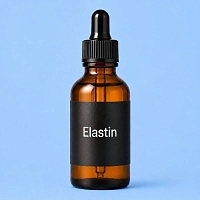




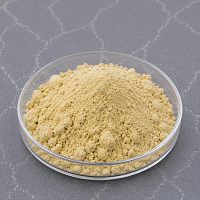

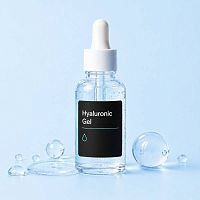



Concentrated ingredients that target visible signs of skin aging
This section brings together concentrated raw materials used to formulate anti-age skincare: peptide complexes, plant stem cell extracts, growth factor analogs, antioxidant blends and specialized actives that support skin firmness, elasticity and texture. Each ingredient is supplied as a standalone raw material for building your own formulations, not as a finished product.
Formulators use these actives across a wide range of product types, including firming serums, night creams, eye contour treatments, ampoules and targeted concentrates. The same active can be dosed differently depending on the delivery system, so many manufacturers combine several ingredients from this range with broader cosmetic actives to balance texture, stability and skin feel in the final product.
Because potency and recommended usage rates vary significantly between raw materials, most producers also cross-reference our peptide ingredients when building layered anti-age systems that pair short peptides with larger active molecules for complementary mechanisms of action.
Categories of anti-age actives and how they differ
Within this range you will find several distinct groups of raw materials rather than one uniform ingredient type. Fermented actives such as Propionibacterium Ferment Lysate 5 g and Repair Complex (Bifida Ferment Lysate) 20 ml work through microbial fermentation by-products that support the skin barrier and help calm visible signs of stress in the tissue. Separately, protein and enzyme based ingredients like Homeo-Shield, 5 ml are formulated to reinforce the skin surface against environmental exposure.
Another group covers structural and hydration support molecules, including Elastin 50 ml and Medium Molecular Weight Hyaluronic Acid 1 g, both used to influence texture, plumpness and the way a formulation feels on application. Osmoprotectant and stabilizing actives such as Ectoin 1 g and Hyanify, 5 g are typically dosed at low percentages and function as protective and moisture-retaining components inside a broader formula rather than as stand-alone treatments.
How to choose and what to combine ingredients with
Selection generally starts with the mechanism you want the finished formula to deliver: barrier support, firmness, antioxidant protection or improved skin texture. Botanical extracts such as Dermochlorella, 10 g and Oat Milk 30 ml are frequently paired with lipid-based actives like Oryzalipid 5 g to balance a formulation between soothing and restructuring effects.
Antioxidant support is another common layer in these systems. Ferulic Acid 2 g is often included alongside peptide or ferment actives to help stabilize a formula and extend the functional benefit of other ingredients in the blend. Many manufacturers building layered routines also draw on our Peptides Wholesale range to combine short-chain peptides with the larger molecules listed here, since usage rates and compatibility differ significantly between raw material types and dosing needs to be adjusted formula by formula.
Origin, format and storage
Raw materials in this category arrive from established cosmetic ingredient producers in the United States, France, Germany, Italy, Japan, Spain, Switzerland and China, reflecting the range of extraction and fermentation technologies used to manufacture them. Formats vary from powders and lyophilized lysates to liquid concentrates, which affects both the shelf life and the recommended storage conditions.
Most actives in this group are moisture-sensitive and should be kept in a cool, dry place away from direct light, with containers resealed tightly after each use to protect potency between production runs. Because concentrations and stability windows differ from one raw material to another, checking the specific storage guidance for each ingredient before scaling up a formulation is recommended.
FAQ
What is the difference between peptide complexes and plant stem cell extracts in anti-age formulations?
Peptide complexes are small signal molecules that support collagen and elastin activity at the cellular level, while plant stem cell extracts supply protective phytonutrients and antioxidant compounds. Formulators often combine both to address firmness and texture through different mechanisms in the same product.
How much anti-age active should be used in a serum or cream formulation?
Recommended usage rates vary widely depending on the specific ingredient and its concentration, typically ranging from a fraction of a percent for potent peptides to several percent for milder extracts. Always start with the supplier guidance for each raw material before scaling into a full batch.
Can anti-age actives be combined with other cosmetic ingredients in the same formula?
Yes, most anti-age actives are designed to work alongside emulsifiers, emollients and preservatives without conflict. Compatibility depends on pH stability and the delivery system, so small-batch testing is recommended before finalizing a production formula.
How should concentrated anti-age raw materials be stored before use?
Most concentrated actives are sensitive to heat, light and moisture, so they should be kept in sealed original packaging in a cool, dry place away from direct sunlight. Once opened, follow the shelf life guidance for that specific ingredient to preserve potency.
What types of finished products are these anti-age ingredients typically formulated into?
These raw materials are used across firming serums, night creams, eye contour treatments, ampoules and targeted concentrates. The same active can be dosed differently depending on the product format and desired intensity of the finished formulation.



